


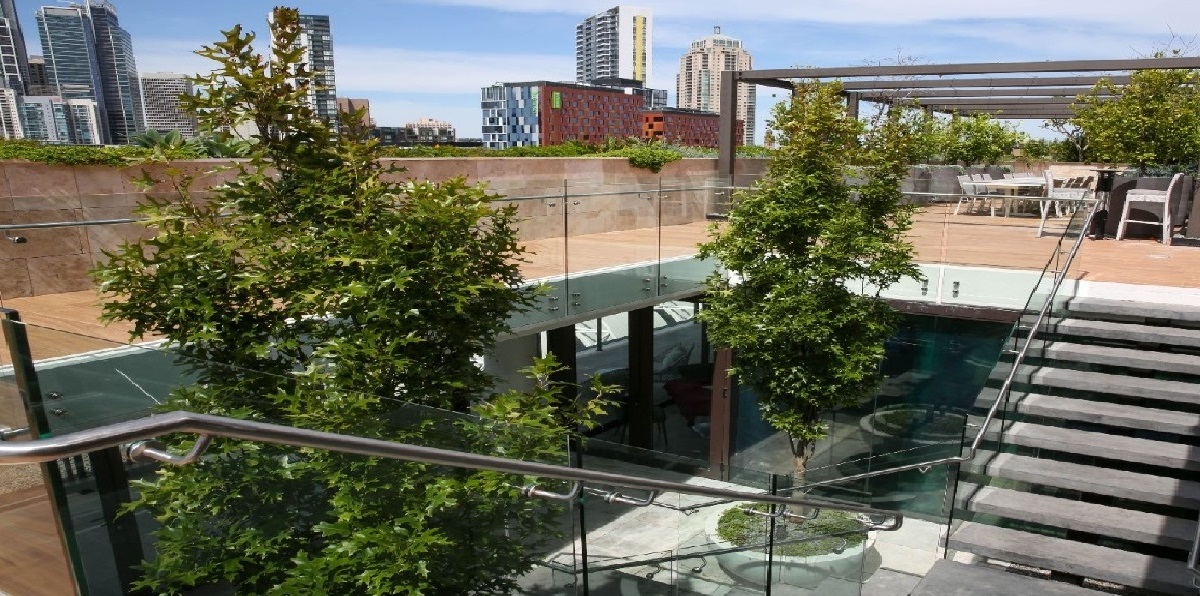


Large-scale landscape construction plays an important role in the success of multifamily, mixed-use, commercial, and public development projects. It is often one of the final phases of construction, yet it has a lasting impact on property performance, regulatory compliance, and long-term value.
Landscape construction is approached as an integrated part of the overall build requiring coordination, experience, and execution that aligns with the demands of large-scale projects.
For developers, general contractors, home builders, civil engineers, and architects, landscape construction is not simply about aesthetics. It is about sequencing, compliance, and delivering outdoor environments that perform well long after project completion.
Landscape construction for large developments typically includes site preparation, grading, irrigation infrastructure, planting, hardscape installation, and coordination with utilities, accessibility requirements, and municipal inspections.
Multi-unit residential landscape needs
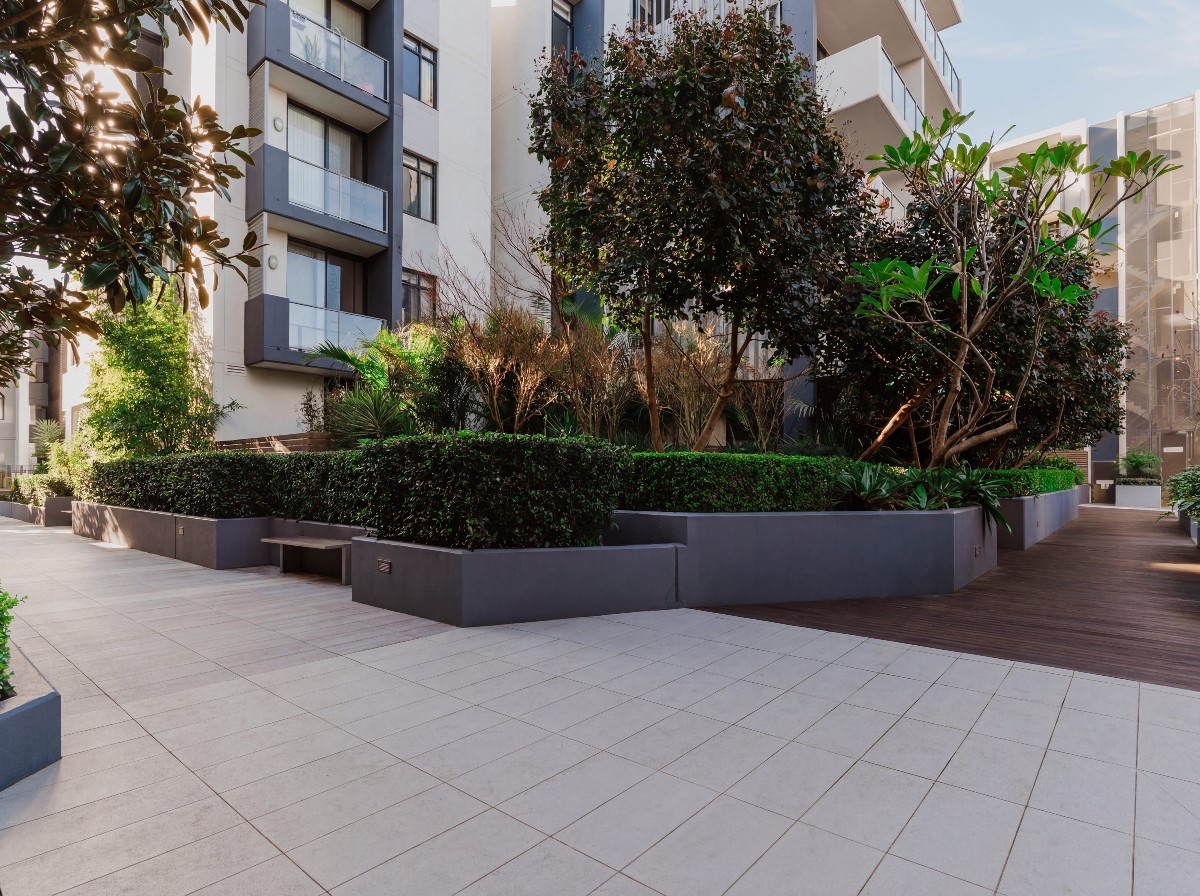
Beneath a relentless Australian sun, a native garden flourishes: sculpted sandstone paths weave between stands of stylised grevilleas and banksias, while a concealed drip-irrigation system hums into action at dawn. This is Australian landscape design in practice; a sophisticated fusion of striking form, practical function and deep respect for our local climate.
Yet what exactly falls under the umbrella of landscape design here, and why should homeowners, businesses and communities take notice?
In Australia, landscape design covers everything from drought-tolerant plant palettes and elegant hardscaping to waterwise irrigation systems and ambient lighting, each shaped by regional conditions and lifestyle needs.
Landscape design in Australia is more than arranging plants and paving stones. It’s the art and science of creating outdoor environments that suit our unique climates, lifestyles and cultural heritage. From suburban backyards, a well-considered design balances aesthetic appeal, functionality and environmental responsibility.
Whether the project is a private courtyard, a commercial courtyard or a public park, Australian landscape design responds to sun, wind, soil and water availability. It brings together horticulture, materials science, site engineering and an understanding of local traditions to shape spaces that enhance everyday living while respecting our natural surroundings.
At its core, landscape design is the process of planning and detailing outdoor spaces to meet functional, ecological and visual goals.
This involves:
- Site analysis: assessing soil type, drainage, solar orientation and existing vegetation.
- Spatial planning: zoning areas for relaxation, play, dining or circulation.
- Material selection: choosing hardscape products like paving, decking and screens for durability.
- Planting design: specifying trees, shrubs, groundcovers and lawns that thrive in local conditions.
Applications span three main sectors:
- Residential: private gardens, courtyards and pool surrounds tailored to family life and entertaining.
- Commercial: office complex forecourts, retail centre plazas and hospitality terraces.
- Public: parks, playgrounds, plazas and streetscapes that support urban resilience.
By integrating these elements, a landscape designer ensures that each project performs well providing shade, enabling easy maintenance, directing water flow and offering visual appeal.
Why professional landscape construction is essential in Sydney
If you’re running a business or leasing commercial property, your landscaping speaks volumes before anyone even enters the building. Overgrown grass, dead plants, or cracked paving can suggest neglect, which isn’t the message most businesses want to send.
Regular mowing, pruning, and seasonal planting show that you care about your space and, by extension, your clients and employees. It is essential for office parks, retail centres, and hospitality venues, where curb appeal directly impacts customer perception.
A neat, well-maintained garden or courtyard doesn’t just look good – it creates a welcoming environment for staff and visitors alike. Hence, commercial landscaping in Australia is a need of time.
Poorly maintained landscapes can quickly turn into hazards.
Think about:
- cracked pathways becoming trip hazards
- blocked drainage causing flooding after heavy rain
- overgrown trees dropping branches during a storm
- pests like snakes or rodents finding shelter in long grass
In Australia, where the weather can swing from scorching heat to sudden storms, regular landscaping maintenance can actually help prevent costly damage.
Best hardscape solutions for residential unit projects
The functionality, aesthetics, and long-term upkeep of residential unit projects are significantly influenced by hardscaping. The correct hardscape solutions assist in creating spaces that are useful, aesthetically pleasing, and constructed to withstand regular usage, from driveways and walks to retaining walls and shared outdoor areas.
In multi-unit complexes, where outdoor surfaces are subjected to continuous foot traffic and vehicle movement, durability is important. Because they provide long-term performance with comparatively low care requirements, materials like concrete, exposed aggregate, natural stone, and high-quality pavers are frequently employed.
Reducing future repair and replacement expenses requires choosing materials that can withstand changing weather conditions while preserving their attractiveness over time.
For shared residential properties, low-maintenance solutions are especially important. Permeable pavement, automated drainage systems, and sturdy edging are examples of features that can reduce continuous maintenance while enhancing accessibility and safety throughout the development.
Water consumption and maintenance requirements can be further decreased by combining native landscaping with sensible hardscape design.
Hardscaping greatly enhances a development’s overall appearance and value in addition to its utility. In addition to improving the project’s street appearance, well planned walkways, entryways, lighting, and common areas make the neighbourhood more hospitable for locals and guests.
Achieving long-term value in contemporary residential constructions requires a balanced strategy that incorporates durability, utility, and aesthetics.
Softscape solutions for better living environments
Softscape helps you efficiently make your sprawling estate or cozy garden, taking your outdoor space to the next level. The other reasons that you must incorporate softscape into your backyard include:
- Comfort and functionality: softscape takes your backyard beyond grass, benches, and garden, bringing functionality and comfort.
- Captivating beauty: softscape enhances your property value and lets it stand apart from other neighbours. The trees, lush green grasses, and plants offer shade and make your backyard best for dining and seating.
- Improve the environment: your outdoor space and softscape elements, such as shrubs, plants, and trees, are a part of the ecosystem, offering numerous benefits.
- Livable spaces: softscaping adds mesmerising walkways and footpaths to your garden, offering a relaxing area for exercise and walking.
- Natural aesthetics: softscape elements create a natural aesthetic for your garden. Plants attract insects and birds, while deciduous trees attract wildlife, making your backyard appealing.
- Endless enjoyment: softscape lets you enjoy all seasons, making your outdoor living space enjoyable for the year. The natural beauty and fresh air allow you to jumpstart your day with a clear head.
Communal outdoor spaces that add value
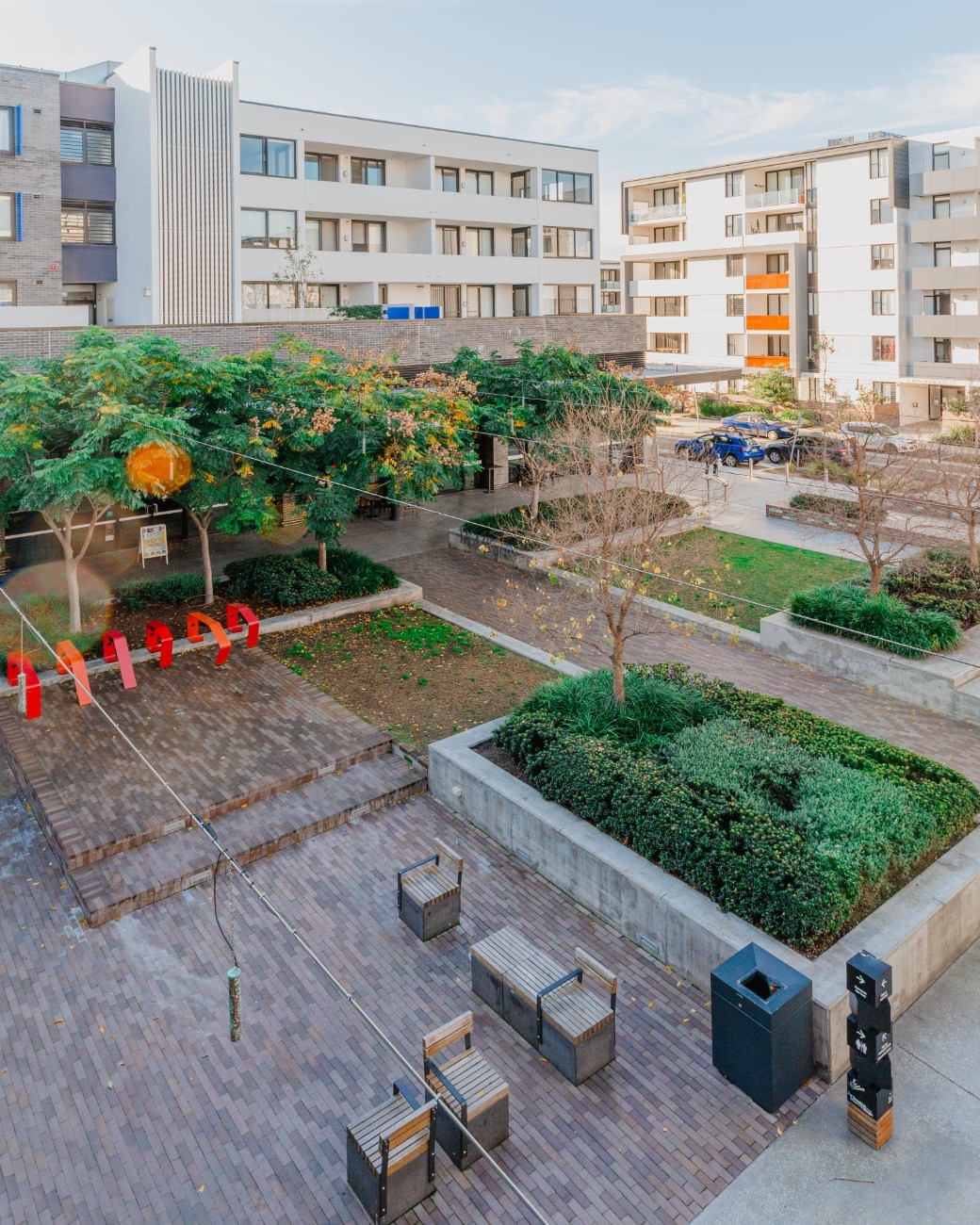
- Patios: provides a solid, level surface for furniture, grills, and décor. Made from materials like concrete, brick, or natural stone, patios are perfect for dining, lounging, or hosting guests.
- Decks: are a great option for homes with uneven terrain or sloped yards. Typically built from wood or composite materials, they provide a warm, natural feel and can be customised.
- Pergolas: are open-air structures with a slatted roof, offering partial shade and an elegant touch.
- Gazebos: provide a fully covered, often enclosed space for year-round enjoyment. Both can be decorated with climbing plants, curtains, or string lights for added charm.
- Outdoor kitchens and dining areas: for those who love to entertain, an outdoor kitchen is a perfect addition. These spaces can include built-in grills, pizza ovens, refrigerators, and even sinks for a fully functional cooking experience.
- Fire pit lounges: creates a warm and cozy gathering space where friends and family can relax, roast marshmallows, and enjoy the outdoors even on chilly nights.
- Garden nooks and green spaces: a garden retreat with pathways, benches, and lush plants can be a peaceful escape. Adding a water feature like a small pond or fountain enhances tranquility.
- Poolside lounges: creating a dedicated lounge area with comfortable seating, umbrellas, and cabanas can elevate your backyard into a resort-like space.
- Edible gardens: adds both beauty and practicality to your yard. Raised garden beds, vertical planters, and herb gardens provide fresh produce while enhancing the landscape.
- Sport courts: is a great way to promote fitness and fun in your outdoor space. These courts provide a durable, low-maintenance surface for year-round enjoyment.
- Flat lawn area: is an essential feature for families who love outdoor games. Whether it’s for tossing a football, playing soccer, setting up a badminton net, or simply running around, a large grassy area provides endless fun.
- Kid play areas: ensures a safe and engaging environment for children. Swing sets, playhouses, sandboxes, and climbing structures create an outdoor adventure zone.
Successful landscape construction for multi-unit residential projects requires more than simply improving visual appeal. Every aspect of the outdoor environment, from hardscape materials and softscape design to drainage, accessibility, and communal spaces, contributes to the long-term functionality and value of a development.
In Sydney’s competitive residential market, well-planned landscaping has become an essential component of creating liveable, attractive, and future-ready communities.
As modern residential developments continue to prioritise lifestyle and sustainability, the role of professional landscape construction becomes even more important. Durable pathways, low-maintenance planting, practical communal areas, and environmentally conscious design solutions all help support resident wellbeing while reducing ongoing maintenance demands.
Thoughtful landscape planning also improves safety, enhances street appeal, and creates outdoor spaces that residents can genuinely enjoy throughout the year.
Ultimately, the best landscape construction solutions are those that successfully balance aesthetics, practicality, and long-term performance.
By investing in quality materials, strategic planning, and experienced construction professionals, developers can create outdoor environments that not only complement the architecture of a project but also contribute to stronger property value, better resident experiences, and lasting project success.
If you need help or advice, our team is ready to assist you, contact us now.
NEW PROJECT?

 1300 457 457
 info@civilandscape.com.au