


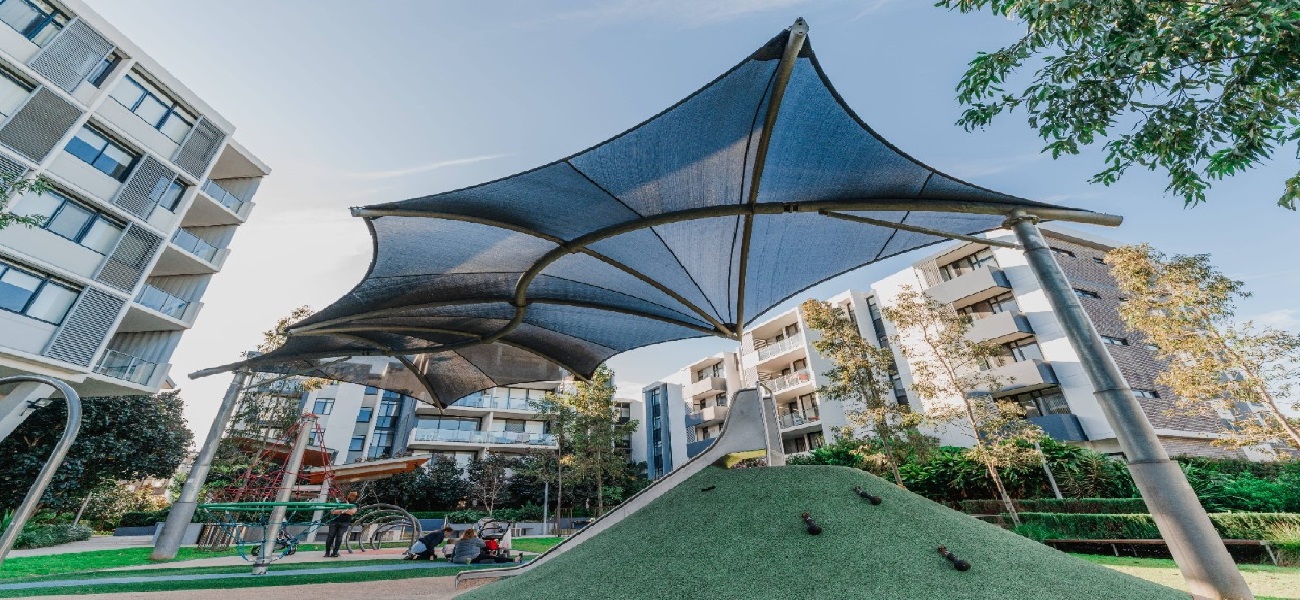


In the ever-evolving garden spaces of Sydney, a fascinating design dialogue unfolds, one that pits the serene, established charm of traditional vs modern landscaping against the sleek, innovative spirit of contemporary outdoor design.
For homeowners, this presents both a challenge and an opportunity: to choose a style that not only complements their architecture but also reflects their lifestyle and values.
Traditional landscaping in Sydney draws deeply from its British colonial roots and the classic English garden aesthetic, adapted to the local climate. This style is characterised by its sense of order, symmetry, and lush, layered greenery.
Think of verdant, manicured lawns as the central canvas, bordered by perennial flower beds bursting with colour and fragrance. Common features include established deciduous trees like maples or oaks, climbing roses on timber trellises, and meandering stone or brick pathways.
- Form and function: geometry reigns supreme. Think bold, straight lines, rectangular lawn panels or paved areas, and clearly defined zones for dining, lounging, and recreation.
- Material innovation: traditional materials are used in new ways or combined with modern ones: polished concrete, composite decking, cor-ten steel, and large-format porcelain tiles create sleek, low-maintenance surfaces.
- Architectural planting: plant selections are often strategic and sculptural. Palms, grasses, succulents, and native species with striking forms are chosen for their texture and shape rather than just their flowers.
- Sustainable focus: modern landscaping frequently integrates eco-conscious elements like rainwater tanks, drip-irrigation systems, and drought-tolerant native gardens, responding proactively to Sydney’s water conservation needs.
How landscaping improves Sydney streetscapes
Open home inspections across Sydney often follow a predictable pattern: visitors pause briefly in the living room, glance through the kitchen, then wander toward the backyard to see what outdoor landscaping solutions have been implemented.
Landscaping professionals constantly state that most buyers don’t overanalyse the design, but they react to how usable a yard feels when quality outdoor landscaping solutions are in place. A clean path that leads straight to a shaded deck or seating spot quietly tells them the space has a real purpose.
Many homeowners assume landscaping matters less than kitchen upgrades or bathroom renovations. That assumption occasionally proves costly. A tired outdoor area can quietly weaken an otherwise strong property listing, especially in suburbs where neighbouring homes already showcase carefully maintained gardens and outdoor entertainment areas.
- Smooth transition of space between the interior and exterior: one of the trends in contemporary Sydney houses is the large glass doors leading directly to the garden, thus increasing the area of living space. This approach also gives the garden the feel of being an extra room in the house and is ideal for Sydney because of the gently warm climate which warrants gardening and living outdoors all year round.
- Low-maintenance design: Sydney’s busy lifestyle means that many homeowners are looking for low-maintenance modern gardens. While minimalism might give the impression that these spaces are high-maintenance, they’re often designed to be the opposite. Sydney’s current trend is being able to incorporate sustainable garden designs into modern gardens since many of the gardens that have been created lack water.
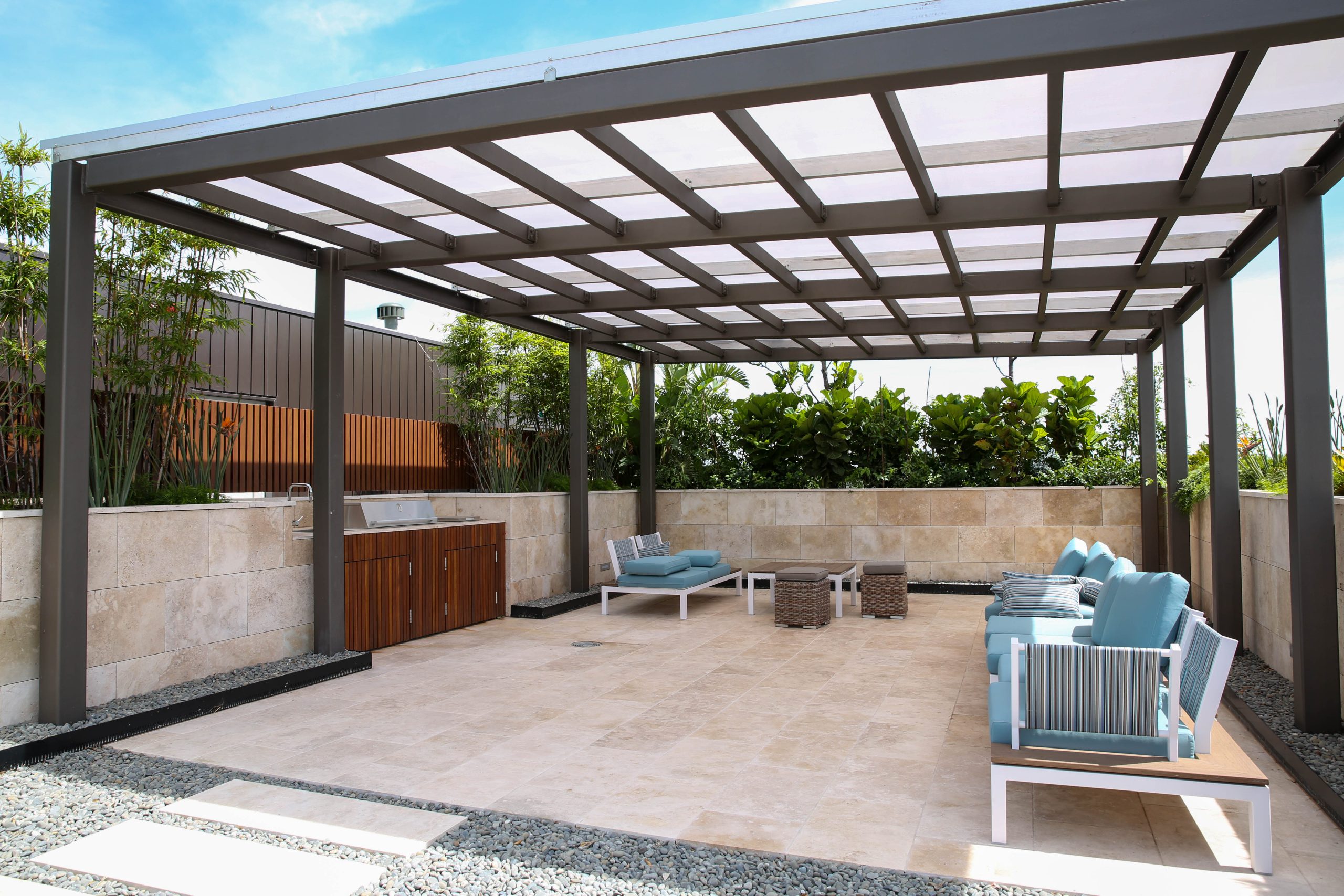
- Outdoor living spaces: the modern emphasis in designing a garden is about outdoor living. The goal of landscaping is no longer just about making the garden look great; it is about making the garden work for you and your lifestyle. Especially in Sydney people like to entertain outdoors and therefore contemporary garden designs include elements like pergolas, fire places or seating arrangements. These spaces can turn your backyard into a place for leisure, socialising, or even into a dining area.
- Modern water features: no modern garden design is complete without one. But leave aside the conventional water fountains and L shaped ponds. Today’s water fountains are narrow and simple, and sometimes the material used is concrete or steel. This is a cooling factor, especially in Sydney’s summer since a major part of the structure comprises the water body. From the simple water spill in a wall to the more elaborate water pond or the fountain, water features can be made to complement the calmness of your environment.
- Modern garden furniture: furniture offers a necessary component to modern garden design, which allows spaces for relaxing and being out in the open. The idea here is to pick out pieces that are in harmony with the simple and clean look of your garden. Imagine simple and elegant lounge chairs, sectional sofas or dining tables and chairs of teak, aluminium or concrete.
The role of landscaping in Sydney schools
Landscaping plays a crucial role in the overall learning environment of educational institutions. Well-designed outdoor spaces can enhance not only the visual appeal of school grounds but also their functionality, safety, and sustainability.
- Enhanced learning opportunities: outdoor classrooms and activity zones encourage experiential learning and play-based education.
- Improved student well-being: access to natural areas promotes mental health, physical activity, and social interaction.
- Aesthetic appeal: professionally landscaped grounds enhance school pride and community perception.
- Environmental sustainability: native plants and eco-friendly materials reduce the carbon footprint and support biodiversity.
- Safety and accessibility: well-designed pathways and shaded areas provide inclusive, comfortable spaces for all students.
- Practical learning spaces: outdoor areas offer opportunities for teaching science, horticulture, and environmental studies.
Why unit developments need professional landscaping
Professional landscaping is essential for unit developments because it creates a unified visual identity, solves complex drainage issues, and protects long-term property values. It acts as a primary selling tool by offering premium curb appeal and maximising the livability of shared or private outdoor spaces.
Strategic, expert landscaping provides several key benefits for unit developments:
- higher roi and marketability
- preventing costly mistakes
- optimal space utilisation
- smooth architectural integration
- reduced long-term hassles
Community benefits of well-planned landscaping
When you embark on the journey of creating your own garden, it is essential to give careful attention to developing a detailed landscape plan. This plan should not only include the layout and positioning of flower beds, pathways, patio areas, trees, and shrubs but the amount and direction of sunlight, the natural patterns of water drainage, and the quality of the soil.
By developing a landscape plan, you can ensure that your garden is not only visually stunning but also fully functional, meeting the diverse requirements of different plant species. Having a well-considered plan in place can save you time and resources by avoiding costly mistakes and the need for major revisions, resulting in a more effective and successful garden design process.
Dedicating the necessary time and effort to create a thorough landscape plan is crucial for realising your vision of a captivating, well-designed garden space.
Why professional landscaping matters for unit developments
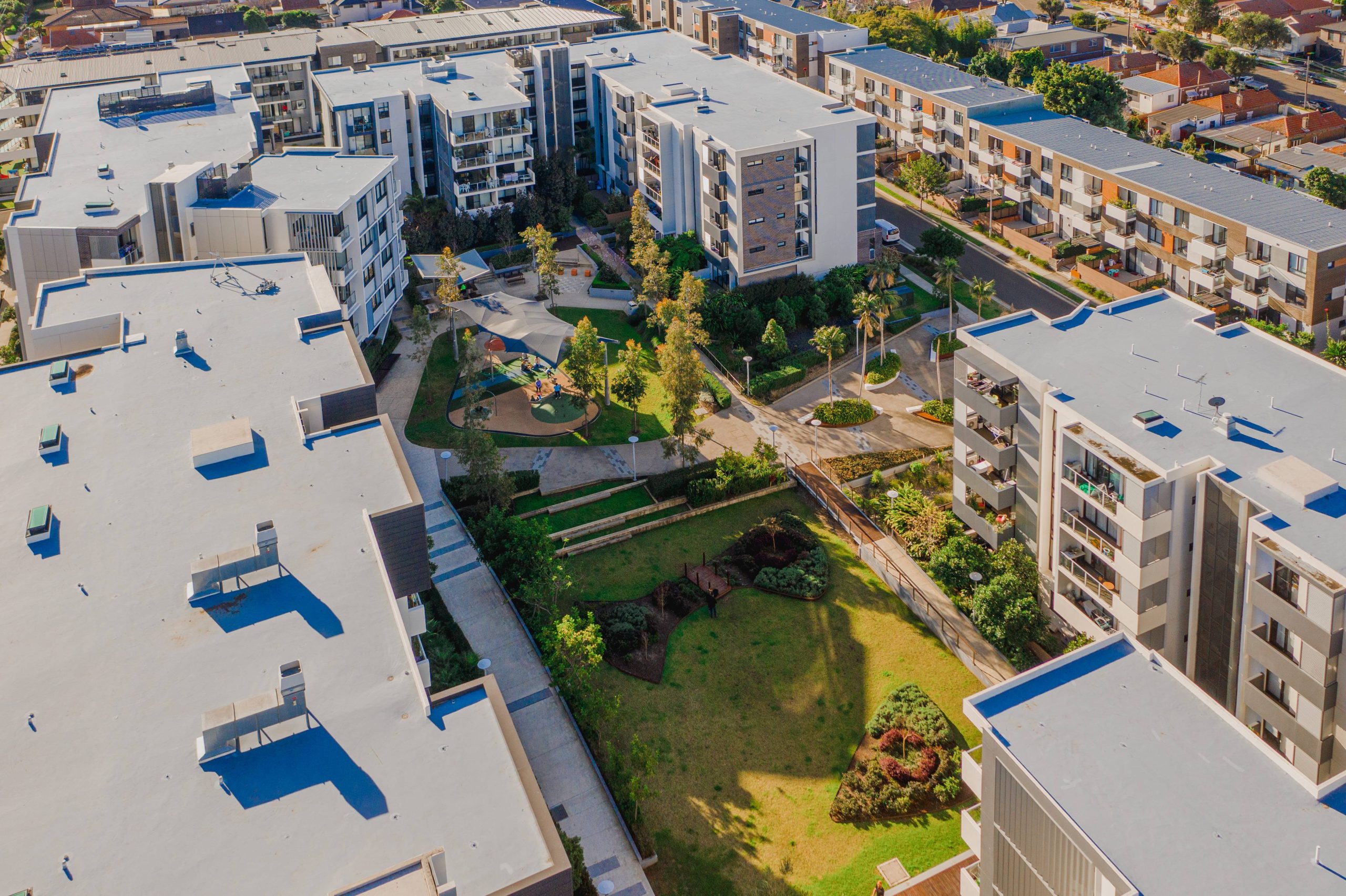
In high‑end residential developments, first impressions matter.
Landscaping is often one of the most visible and valuable elements of a scheme, shaping how a property is experienced from the moment someone arrives. When done well, it enhances architectural quality, supports long‑term value and creates spaces that feel purposeful, calm and well considered.
As many owners and developers plan a spring property renovation, landscaping should be treated as an integral part of the process rather than an afterthought.
- Landscaping as an extension of design: thoughtful planting, hard landscaping and layout choices help soften architecture, frame views and guide movement through a space. This might include carefully designed entrances, structured pathways, outdoor lighting, and planting schemes that complement materials used in the build.
- Enhancing value and market appeal: high quality landscaping consistently adds value. Well maintained outdoor spaces increase buyer and tenant interest and support premium pricing. For larger estates or multi‑unit developments, landscaping also contributes to the long‑term perception of quality and management standards.
- Spring property renovation: spring is a natural time to reassess outdoor spaces. After winter, issues like drainage, worn surfaces and dying plants are more visible. A spring property renovation offers the opportunity to refresh landscaping, address long‑term issues and prepare properties for the months when outdoor space is most heavily used.
So, which path is right for your property? The decision often hinges on your home’s architecture and your personal vision.
However, the most dynamic and personalised spaces often emerge from a thoughtful fusion of both styles. Imagine the clean lines of a modern entertaining area smoothly leading to a traditional, lushly planted garden border. Or a classic sandstone retaining wall integrated with sleek, linear lighting. This hybrid approach allows for the low-maintenance, functional spaces demanded by modern life, without sacrificing the depth, texture, and romanticism of traditional planting.
If you need help or advice, our team is ready to assist you, contact us now.
FAQs
How much does professional landscaping cost in Sydney?
The cost of professional landscaping in Sydney varies depending on the size of the project, site conditions, materials used, and the complexity of the design. Small landscaping projects may involve basic garden improvements, while larger residential, commercial, or public-space developments can require extensive earthworks, hardscaping, planting, irrigation, and ongoing maintenance. The best way to determine the cost is to request a site assessment and detailed quote tailored to your project requirements.
What landscaping features are best for schools?
The best landscaping features for schools are those that create safe, functional, and engaging outdoor environments. Popular options include shaded play areas, durable pathways, native gardens, outdoor learning spaces, sensory gardens, sports and recreation zones, and low-maintenance planting. Well-designed school landscaping can support student wellbeing, encourage outdoor activity, and provide opportunities for environmental education.
How can landscaping improve apartment developments?
Professional landscaping can significantly enhance apartment developments by creating attractive communal spaces, improving visual appeal, and increasing resident satisfaction. Features such as landscaped courtyards, rooftop gardens, walking paths, seating areas, and shade structures help maximise the use of shared outdoor spaces. Quality landscaping can also improve privacy, reduce heat, support biodiversity, and contribute to higher property values and market appeal.
Why hire a professional landscaper instead of DIY?
Hiring a professional landscaper ensures your project benefits from expert planning, design knowledge, and quality workmanship. Professionals understand site conditions, drainage requirements, plant selection, council regulations, and construction techniques, helping to avoid costly mistakes. They can also manage the entire project from concept to completion, delivering a landscape that is functional, visually appealing, and built to withstand Sydney’s climate.
NEW PROJECT?

 1300 457 457
 info@civilandscape.com.au