


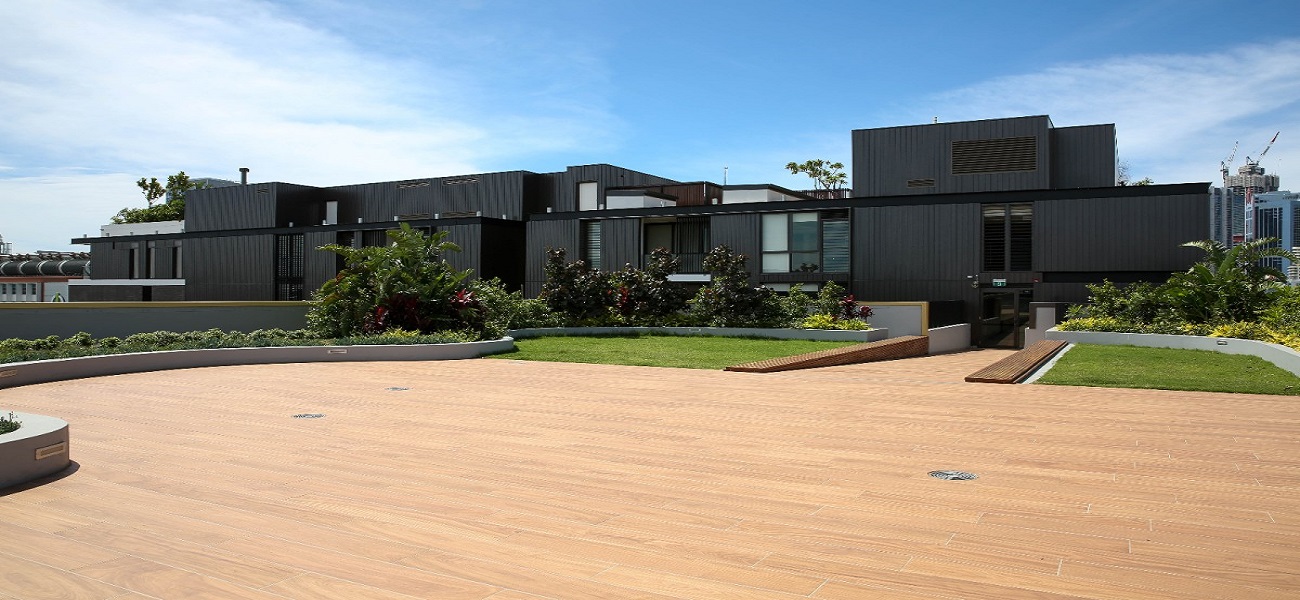


Outdoor living spaces have become an important extension of the modern home, creating a smooth connection between indoor comfort and the outdoors. From alfresco dining areas and decks to pergolas, outdoor kitchens and landscaped lounge spaces, a thoughtfully designed outdoor area can provide more room for relaxing, entertaining and spending time with family.
In Sydney, where the climate encourages year-round outdoor living, these spaces can significantly improve the functionality and enjoyment of a property.
Creating the right outdoor living space involves more than simply adding furniture or a patio. The layout, landscaping, materials, planting, shade, lighting and surrounding features all need to work together to suit the property, lifestyle and local conditions.
With careful planning and professional landscape construction, homeowners can create an attractive, durable and low-maintenance outdoor environment that complements their home while potentially increasing its overall appeal and long-term value.
What is an outdoor living space?
The definition of an outdoor living space is an area that extends your home lifestyle outdoors. It’s a combination of plants, wood, rocks and stone structures around a focal point in your yard. You can also add water features, fireplaces, televisions, lights and more to make the outdoors feel more like the comfort of inside your home.
Why outdoor living spaces increase property value
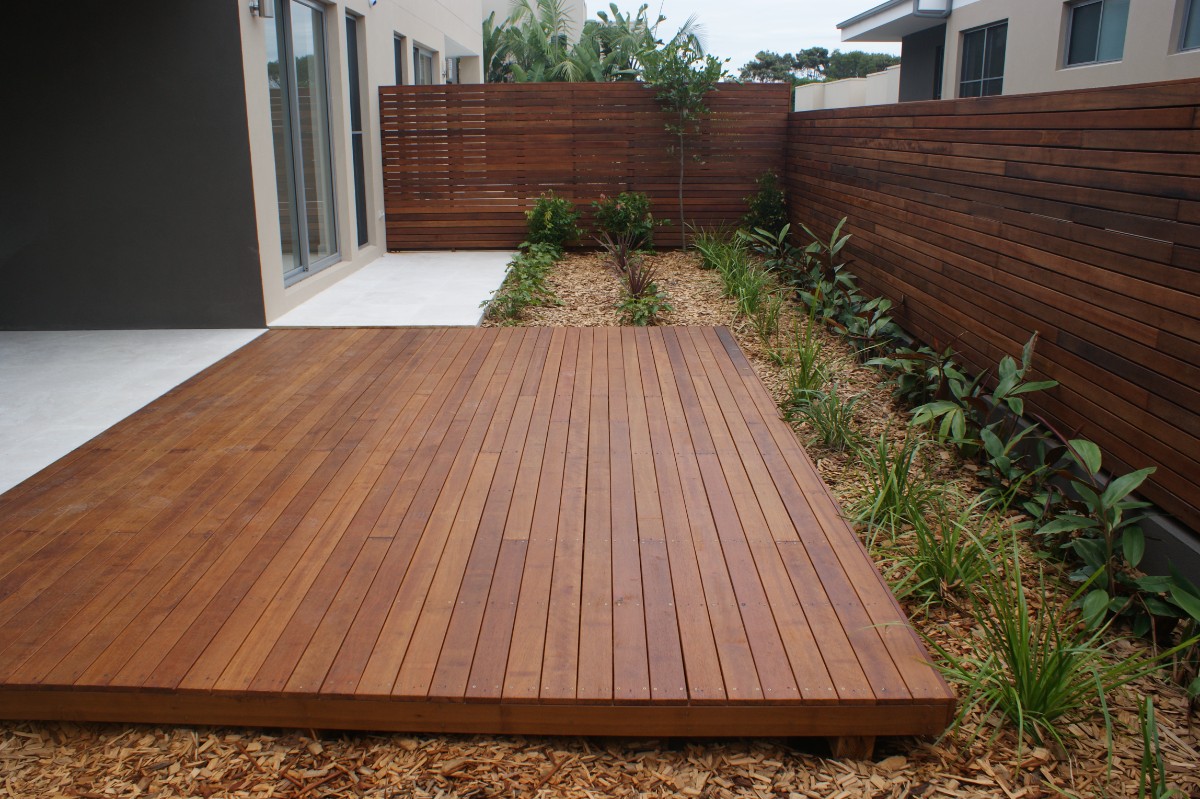
Outdoor living spaces have become a key part of modern home design. Many homeowners are looking for ways to add comfort, usable space, and visual appeal to their properties without changing the main structure of the house.
One of the most effective ways to achieve this is through thoughtful outdoor improvements that blend function with style. Projects like patio installation can reshape how a yard is used and how a property is perceived from the outside.
Professional landscaping and hardscaping companies work with homeowners who want to improve their outdoor areas in a way that supports long-term value and everyday enjoyment. A well-planned outdoor area can serve as a place for gathering, relaxing, and spending time outside while also adding measurable appeal when it comes time to sell a home.
Function plays a major role in outdoor design. A yard that is easy to use and arranged with a clear purpose often feels more valuable. Patio installation helps create this structure by turning open ground into a defined area for seating, walking, or gathering. When patio installation is planned carefully, it improves how people move through and use the outdoor space. It can also separate different zones in the yard without adding walls or barriers.
Types of outdoor living spaces that add the most value
The way we use and see our homes is changing. Thoughtful landscaping now plays a central role in how a home feels, functions, and ultimately how it’s valued.
For many homeowners in the Mornington Peninsula, a professionally designed outdoor living space does more than improve appearances. It adds purpose and longevity to a property while creating outdoor environments that genuinely improve one’s lifestyle.
Ultimately, redesigning the outdoors is a smart move and a trend that’s growing among residents in the area.
Gardens are the first thing one often sees, and a cohesive, welcoming landscape sets expectations before anyone steps inside. A landscape redesign brings balance, flow, and consideration, instead of a space with disconnected features. When an outdoor space is designed for functionality, it naturally commands a higher value.
- Alfresco areas designed for flow: large-format paving that extends from the kitchen or dining area creates a transition between indoors and out. This eliminates awkward steps, improves accessibility, and allows people to move easily between cooking, dining, and relaxing zones.
- Firepit zones with natural access paths: curved gravel paths leading to a firepit gently guide movement through the garden. Rather than cutting across lawn areas, guests naturally follow the path, preserving planting and keeping the space tidy. Gravel drains well, requires minimal maintenance, and adds a relaxed, informal feel.
- Planting used as privacy: layered planting using feature trees, screening shrubs, and soft underplanting creates privacy without enclosing the space. Strategically placed greenery also provides shade, reducing heat build-up on paving and around pools.
- Pergolas built for real lifestyle needs: if space permits, pergolas designed with timbre or steel structures, shade battens, and climbing plants create usable outdoor rooms. They reduce summer heat while allowing winter sun through, have the ability to define spaces without walls, and work beautifully near pools or lounge areas.
- Pool areas designed for safety and beauty: thoughtfully positioned glass fencing maintains open views while meeting safety regulations. Additionally, feature planting softens fence lines and avoids a boxed-in feel. We also see mindful placements of gates and paths so children can be easily supervised.
- No-lawn or low-lawn spaces that still feel green: crushed rock, paving, and layered planting can replace large lawn areas while still providing usable green spaces. These garden styles reduce maintenance, prevent muddy patches in winter, and provide versatile zones for seating, play, and relaxation.
Best landscaping features to complement outdoor living areas
- Outdoor lighting: illuminate your backyard with a variety of lighting options such as string lights, lanterns, or low voltage pathway lights to create a magical atmosphere during evenings. Lighting not only enhances the aesthetics of your outdoor space but also extends the usability of your backyard into the night.
- Water features: incorporating a water feature such as a small pond, fountain, or cascading waterfall brings a sense of tranquility and serenity to your backyard. The sound of running water can create a calming atmosphere and attract birds and wildlife, enhancing your outdoor experience while creating a focal point for guests to be drawn to.
- Walkways: well-designed walkways can add visual appeal to your outdoor space, creating a sense of structure, guiding guests through your property. They can enhance the overall beauty of your landscape by providing a defined pathway that complements the surrounding plants, hardscape elements, and architectural features.
- Garden design: by carefully choosing a color scheme that complements and harmonizes the plants, incorporating a variety of textures and forms, and layering plants for depth and dimension, you can create a garden that enhances the overall aesthetics of your landscape.
- Outdoor living spaces: these functional and inviting spaces provide areas for entertainment, relaxation, and socializing, seamlessly bridging the gap between indoor and outdoor living areas.
Choosing materials that suit Sydney’s climate
Sydney’s humid subtropical climate presents several challenges for residential construction. Hot summers, intense UV exposure, seasonal rainfall, and coastal humidity can affect a home’s comfort, energy consumption, and long-term durability.
As a result, sustainable material selection in Sydney goes beyond environmental impact. Homeowners should prioritise materials that offer strong thermal performance, moisture resistance, and long-term durability. By choosing such climate-responsive building materials, it is possible to create homes that remain comfortable year-round while reducing energy use and supporting sustainability goals.
- Cross-laminated timber (CLT): an engineered wood product made by layering timber boards in alternating directions and bonding them together under pressure.
- Engineered timber framing: offers a sustainable alternative to traditional Australian construction materials.
- Hempcrete: while it is not typically used as a load-bearing material, it serves as an excellent infill solution for walls, providing both insulation and environmental benefits.
- Recycled brick and masonry: offer a practical way to reduce construction waste while maintaining the durability and thermal performance of traditional brick construction.
- Insulated concrete forms: combine reinforced concrete with integrated insulation panels to create highly energy-efficient wall systems. This results in a sustainable building that has superior thermal performance and structural strength.
- Fibre cement cladding: a popular choice for modern Australian homes due to its versatility, durability, and resistance to environmental factors. They are designed to withstand harsh UV exposure, moisture, and changing weather conditions.
- High-performance insulation materials: advanced insulation materials such as cellulose, sheep’s wool, cork, and recycled polyester help reduce heat gain during summer and heat loss during winter.
- Double or triple-glazed windows: play a significant role in a home’s overall energy performance. Double and triple-glazed windows use multiple panes of glass separated by insulating air or gas-filled cavities to minimise the transfer of heat.
- Recycled steel: remains one of the most durable construction materials available. Recycled steel offers the added benefit of reducing environmental impact without compromising on the structural performance of your house.
- Green roofing and composite roofing systems: sustainable roofing systems are becoming increasingly common in environmentally conscious home designs. Green roofs incorporate vegetation layers that provide natural insulation, while composite roofing systems utilise recycled and durable materials to improve performance.
Outdoor living trends popular in Sydney
- The rise of sculptural and modular furniture: think chunky aesthetics, rounded edges, and furniture that looks just as good as the art in your living room. Modular lounges allow you to build “conversation pits”. If your outdoor lounge looks like a cloud you can nap on, you’re doing it right.
- Deep and earthy colour palettes: for a decade, Australian backyards were dominated by “agreeable grey.” Grey pavers, grey cushions, grey fencing. There is a confident return to nature-inspired tones that actually complement the Australian landscape.
- The “wellness retreat” backyard: driven by a desire to de-stress without leaving the postcode. It’s not just about a swimming pool anymore. Homeowners are dedicating zones specifically to recovery and relaxation.
- Sustainable and “nativar” landscaping: are cultivars of native plants; bred to be tougher, prettier, and more compact than their wild cousins. They offer the resilience of a native garden (drought tolerance, baby!) with the manicured look of a designed landscape.
- Smart shade and structure: the old market umbrella is being upgraded to permanent, tech-enabled structures. Louvered roofs that open and close with a remote (or an app) to control sunlight and airflow. Sensors that retract the awning when the wind picks up so it doesn’t end up in your neighbour’s pool.
Planning an outdoor living space
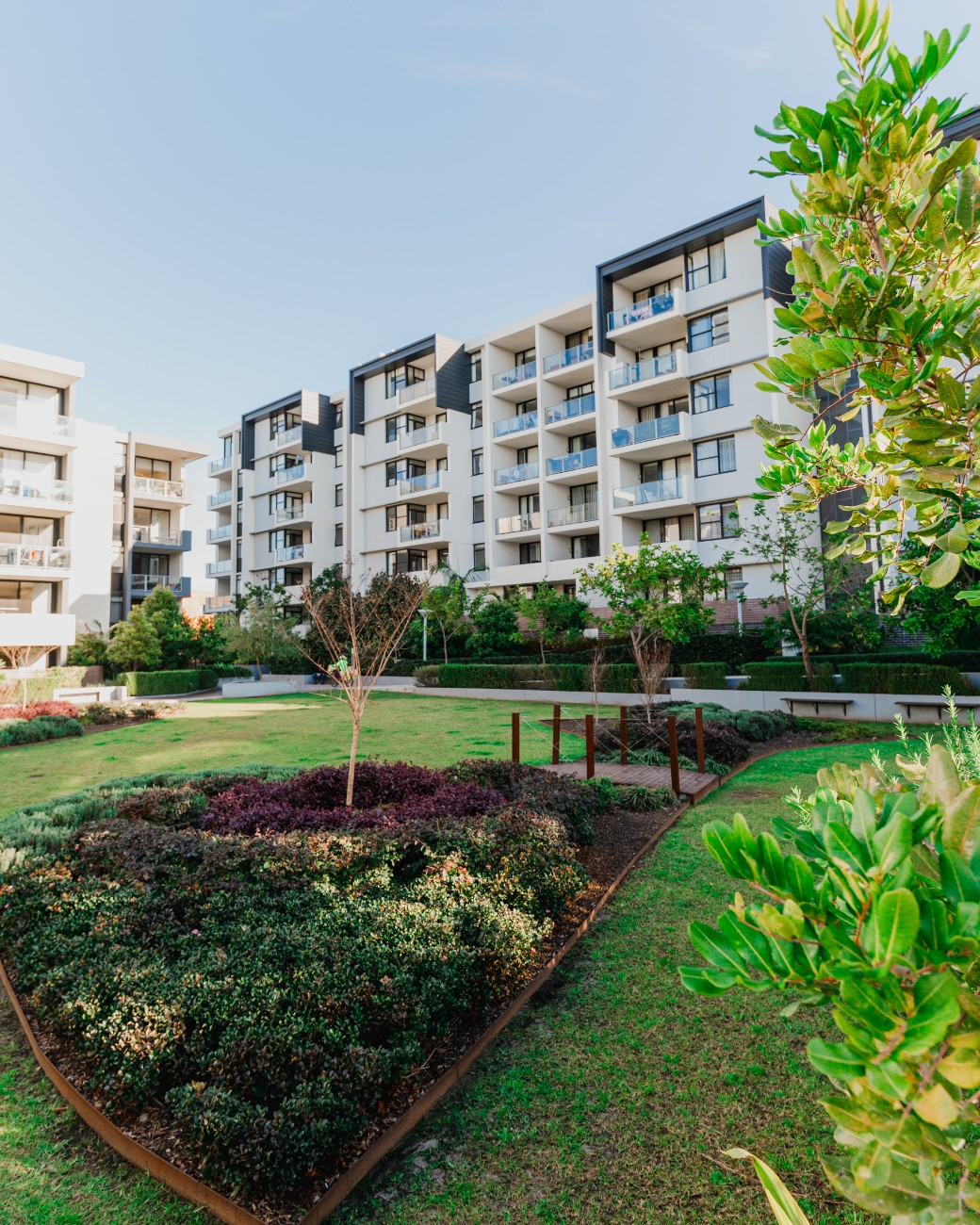
As temperatures rise, our thoughts turn to outdoor living. Blooming flowers and the smell of backyard barbecues lure us out onto the porch or patio with friends and family.
- Purpose: think about how the outdoor space will be used and plan accordingly.
- Layout: when designing an outdoor space, one should use the same thoughtfulness as if you were designing the floor plan of a new house. Each outdoor area should have a logical and functional connection to the inside of the house, like locating the outdoor dining area near the kitchen.
- Surroundings: make the most of the views your property has to offer; arrange a small sitting area to enjoy a cup of coffee and watch the sunrise or a table and chairs for hors d’oeuvres and cocktails at sunset.
- Exposure: which direction your outdoor space faces can define its functionality.
- Wind patterns: make note of prevailing wind direction and time of day. Some areas may be calm in the morning but have a regular evening breeze.
- Comfort: if your outdoor space gets a lot of afternoon or early-evening sun, you’ll want to provide shade for comfort. Umbrellas, pergolas, covered patios, or trees can take the edge off on a hot summer day by providing shelter from the heat, as well as providing shelter from a passing summer shower.
- Hardscape: with a portion of the ground soft and inviting, yet leaving enough hard surface for chairs and other furniture. He prefers natural elements and incorporates flagstone, decomposed granite, large boulders and wood decking.
- Plant selection: even an avid gardener needs a place to relax. Choose easy-care greenery in and around your outdoor living space for a low-maintenance area. Also keep in mind that while plants that attract bees and other pollinators are a good thing in your garden, you might not want those particular plants in the middle of your dining area.
- Furnishings: appropriate outdoor furniture choices will depend on the intended use of the space, or most likely, some combination of all three. Select furniture that is comfortable and practical for outdoor use, weather resistant and washable.
- Water: for a refreshing and relaxing addition to your space, consider adding a water feature. It doesn’t need to be an elaborate fountain or waterfall. The sight and sound of flowing water have been shown to enhance relaxation and even lower blood pressure.
- Fire: when evenings are cool, don’t move the party inside. Extend your outdoor entertaining season by creating a fire pit or fireplace area with comfortable seating.
- Lighting: make your outdoor space a true extension of your home by incorporating lighting. Illuminate outdoor cooking areas to allow more meal prep to be done outside. Create visual interest and expand the feel of the space by up-lighting trees or fencing farther out in the yard.
Outdoor living spaces are excellent for people who enjoy spending time outside or people that enjoy spending time in the comfort of their own home. Having a home that feels like a vacation makes it so you never want to leave! These spaces allow you to enjoy the great outdoors without any hassles.
They are also a great way to make use of your backyard or patio and have a place to relax and unwind. Now that you know what an outdoor living space is and why you would want to incorporate one into your life, it’s time to go out and make one happen!
Outdoor living spaces can be created in a variety of different ways, and there are no rules when it comes to creating your own perfect outdoor living space. If you need help or advice, our team is ready to assist you, contact us now.
NEW PROJECT?

 1300 457 457
 info@civilandscape.com.au