


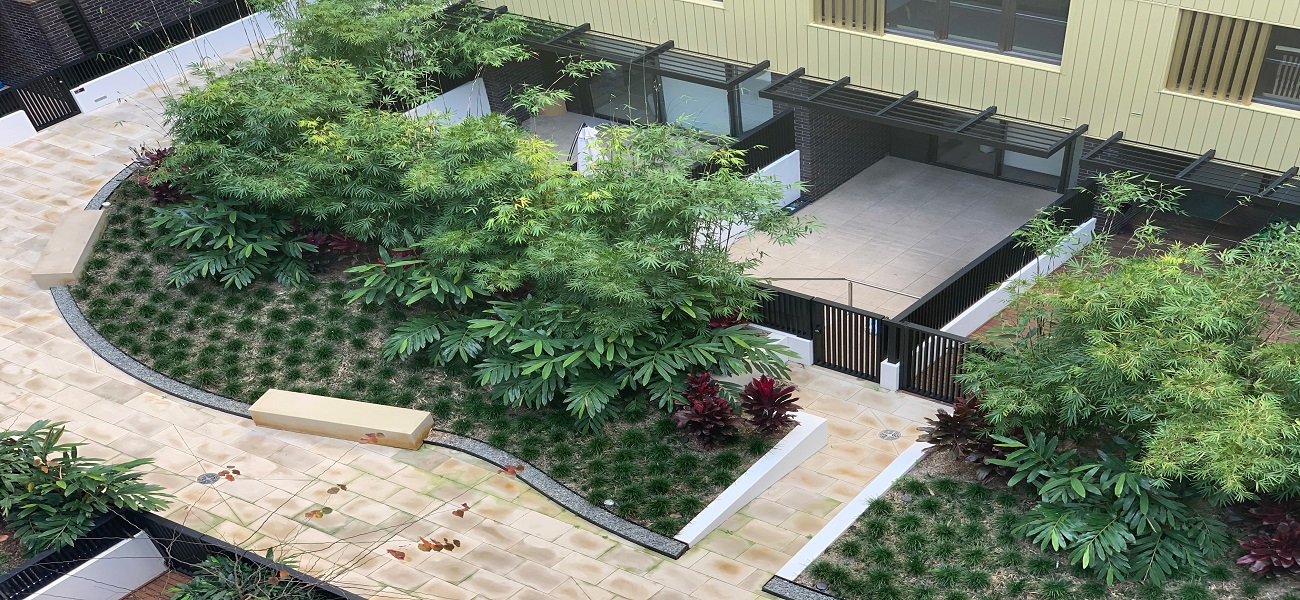


Sydney sits on two distinct geological worlds, which play a crucial role in landscaping in Sydney. The sandstone ridges, headlands, and plateaus produce shallow, extremely acidic, nutrient-poor soils that support one of the most botanically distinctive floras in the world. In contrast, other areas offer more fertile conditions and support an equally distinct plant community. Unfortunately, less than 10% of this original landscape remains and is now critically endangered.
Sydney’s two dominant soil types behave very differently, supporting almost entirely separate plant communities. When planning landscaping in Sydney, understanding which soil type your garden sits on is one of the most valuable pieces of information before selecting suitable plants.
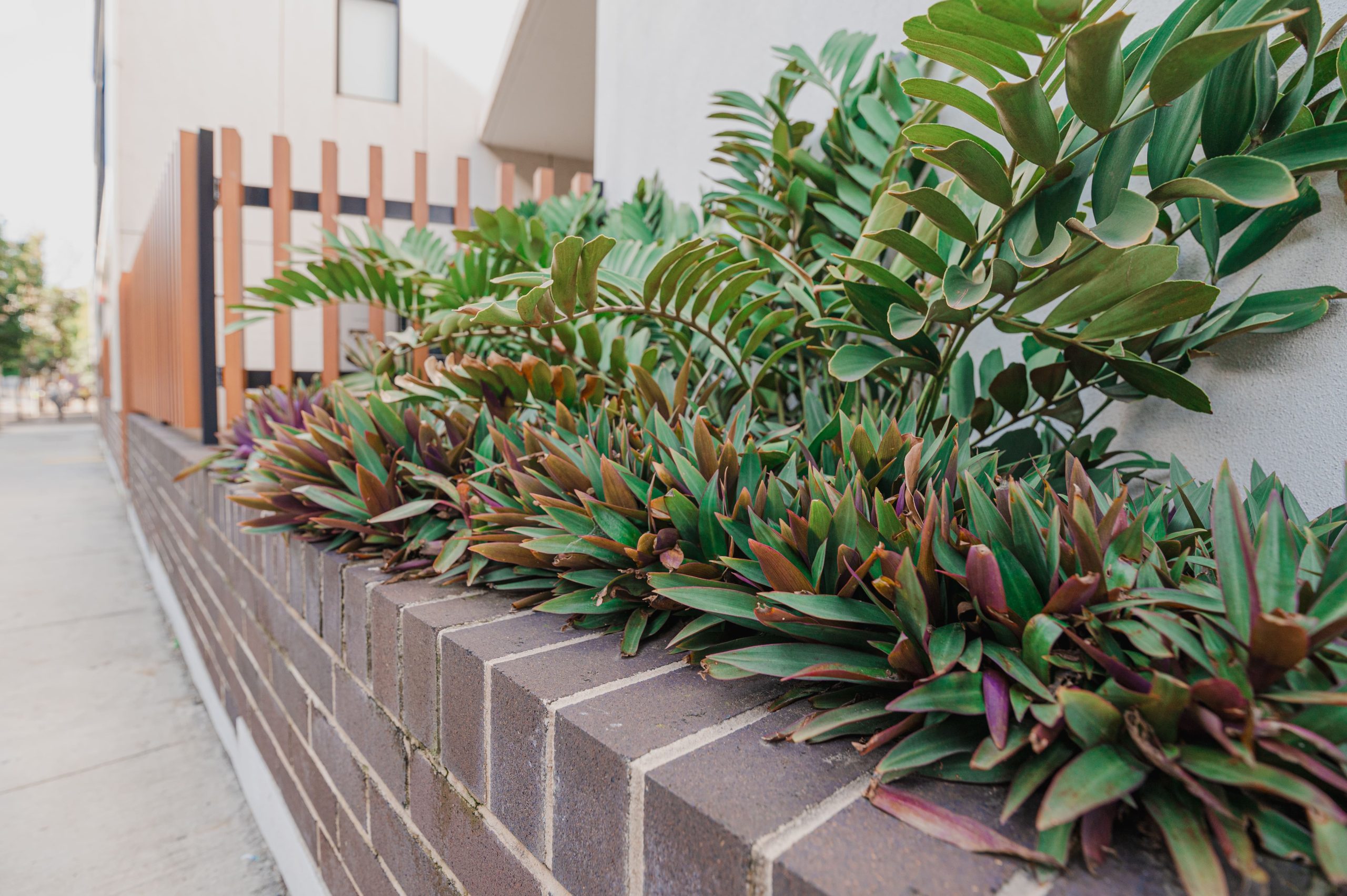
Benefits of using native plants in landscaping
- Low maintenance requirements: native plants have evolved to thrive in their specific environments, meaning they are more resistant to local pests and diseases. They are also drought-tolerant and can survive on minimal rainfall. They require less pruning and fertilising than non-native species.
- Biodiversity enhancement: native plants provide food and habitat for a variety of wildlife, including birds, butterflies, and beneficial insects. This support helps maintain a balanced ecosystem. Many native plants are specifically adapted to attract local pollinators. By planting these species, you can create a haven for bees, butterflies, and other pollinators, which are crucial for food production and ecosystem health. Using native plants can help restore degraded habitats.
- Environmental sustainability: native plants contribute to soil health through their extensive root systems, which help prevent erosion and improve water infiltration. This, in turn, supports a healthy ecosystem beneath the surface. Because native plants are more resistant to local pests and diseases, the need for chemical fertilisers and pesticides diminishes. They play a role in carbon sequestration, helping to mitigate climate change. By absorbing carbon dioxide, they contribute to cleaner air and a healthier atmosphere.
- Aesthetic appeal: native plants often possess a unique beauty that reflects the local environment. Their natural forms, colours, and textures can enhance the visual interest of your landscape. Many native plants offer seasonal changes, providing colour and interest throughout the year. From spring blooms to vibrant autumn foliage, native plants can create a dynamic and visually appealing landscape.
- Cost-effectiveness: native plants require less water, reducing your irrigation costs. This is especially beneficial in arid regions where water conservation is critical. With their low maintenance needs, native plants can lower labour costs associated with landscaping care. Less frequent pruning, fertilising, and pest control mean more savings for homeowners. Less frequent replacement and lower long-term costs.
- Cultural and historical significance: many indigenous cultures have relied on native plants for food, medicine, and materials. By incorporating these plants into landscaping, you can honour and preserve this cultural heritage. Landscaping with native plants can serve as an educational tool. It provides an opportunity to teach others about the importance of local flora and the role it plays in the ecosystem.
- Resistance to invasive species: native plants are often better equipped to compete with invasive species, helping to maintain the health of local ecosystems. By using native plants, you can support the resilience of your landscape. Incorporating native plants can help minimise the spread of invasive species, contributing to the overall health and stability of the ecosystem.
- Ecosystem services: The root systems of native plants help filter pollutants from stormwater runoff, improving water quality in nearby streams and rivers. Native plants can help moderate temperatures in urban areas, reducing the heat island effect and improving overall climate conditions. By releasing oxygen, native plants contribute to cleaner air and improved public health.
- Personal satisfaction and connection to nature: Using native plants can enhance your sense of place, creating a landscape that feels rooted in its environment. Caring for native plants can be a rewarding experience. Watching them thrive in their natural habitat can provide a sense of fulfillment and joy.
Key factors to consider before choosing native plants
- Increase biodiversity and give wildlife a source for food, cover and nesting.
- Choose deciduous and evergreen trees so that birds and other wildlife will be able to find shelter.
- Plant trees and large shrubs where they will block winter winds from the house and shade it in summer.
- Try your best to buy plants that were grown locally.
- Think about the height and width of the plant you choose.
- Make sure it will fit the space you have for it when it’s reached maturity.
- Plant nectar plants in groups, to attract butterflies and other beneficial insects more easily.
Best Native Flowering Plants for Sydney Gardens
Sydney’s climate (warm summers, mild winters, coastal influence) is ideal for a wide range of Australian native flowering plants especially those adapted to sandy soils, drought, and full sun. The key is choosing plants that are hardy, low-maintenance, and wildlife-friendly.
- Waratah (Telopea speciosissima)
- Banksia (Banksia spp.)
- Grevillea (Grevillea spp., e.g. ‘Robyn Gordon’)
- Kangaroo Paw (Anigozanthos spp.)
- Brachyscome (Native Daisy)
- Isotoma axillaris (Rock Isotome)
- Scaevola (Fan Flower)
- Hardenbergia violacea (Native Wisteria)
- Bottlebrush (Callistemon spp.)
- Correa (Native Fuchsia)
- Westringia (Coastal Rosemary)
- Acacia (Wattle)
Top Native Shrubs for Landscaping
- Lemon myrtle: gets its name from its strong citrus aroma. If you crush the leaves, they release a fresh lemon scent. Pollinators are drawn to lemon myrtle when it flowers in summer, adding both fragrance and function to the garden.
- Tea tree (Leptospermum): is highly adaptable and suits a range of garden sizes and conditions. As one of the earlier native plants to bloom, it produces delicate white or pink flowers that attract pollinators when little else is in flower.
- Midyim berry: offers both beauty and function in the landscape. This native shrub produces small white berries with purple speckles, attracting birds while also being edible. It’s a great option for those looking to support pollinators and wildlife.
- Beauty bush: has a distinctive purple colour. True to its name, it produces clusters of vibrant berries along its stems, adding a strong visual element to the garden while attracting birds in late summer and autumn.
- Native daphne (Pittosporum): produces small, often fragrant flowers that attract insects and pollinators. In autumn, it offers subtle seasonal interest through its seed pods, while its dense foliage makes it ideal for structured planting or hedging.
How to design a garden using native plants
- Step 1: mark the locations of significant features of the area making sure to mark where utility lines run through the area. Mark the locations of existing trees, water sources, and hardscape features, such as patios, pathways, and fences. Note any planned additions, such as water sources and hardscape features that will require plumbing or electrical work.
- Step 2: observe and note the growing conditions of the area. You may already know the growing conditions for the area you plan to start with. If not, observe the area several times each day over time (ideally over a year if time permits). Record the sun and shade patterns.
- Step 3: define the shape and perimeter. A simple outline of the area you are starting with is sufficient. You may wish to draw a detailed plan, or it can be a rough plan that you later refine directly in your yard using a hose, rope, or sprinkled flour or sand for marking.
- Step 4: mark the spots for keystone trees and shrubs. If you are including a tree, place it first; then, place shrubs. Consider the mature circumference of trees (and shrubs). Allow sufficient area for the landscape bed to expand to accommodate caterpillar pupation sites beneath a fully mature tree.
- Step 5: mark the spots for keystone herbaceous plants, pollinator plants, and native grasses. Place multiples of the same species to make the plants more attractive to insects (and people). Intermingle plants where two species meet. When deciding which herbaceous plants to place around trees and shrubs, choose plants that meet the current site conditions.
- Step 6: mark the spots for several logs or large stones, additional water features, and bare ground for native bees. Logs and large stones will serve as pupation sites and hiding places for all kinds of small creatures. Determine the placement for additional water sources, such as elevated and ground-level birdbaths.
- Step 7: mark the spots for low-growing ground layer plants. Fill in gaps with low-growing plants. Place sun adapted, low-growing plants in gaps or open areas. Under any existing large shrubs and trees, tuck in shade-tolerant plants, such as low-growing sedges, mosses, and native creeping plants, to establish a matrix of ground layer plants.
Tips for maintaining native plants
- Learn what the native seedlings look like so you don’t unwittingly weed them out.
- Leave dried seed heads on the plants during fall and winter. The birds will eat them, and the seed will disperse and replenish your garden.
- Let leaf litter lay. It enriches the soil, provides habitat for overwintering insects, and encourages beneficial fungi and mycorrhiza.
- Trim back perennials and gently rake out excess leaf litter in spring. If you see delicate seedlings popping their heads up, consider returning the blanket to these tender seedlings as they gradually end their long winter nap.
- Do not use a pre-emergent herbicide to keep weeds at bay, it will keep your native plants from spreading by seed.
- Pull weeds as soon as you recognise them. Once it blooms, you’ll know. Yank weeds before they set seed.
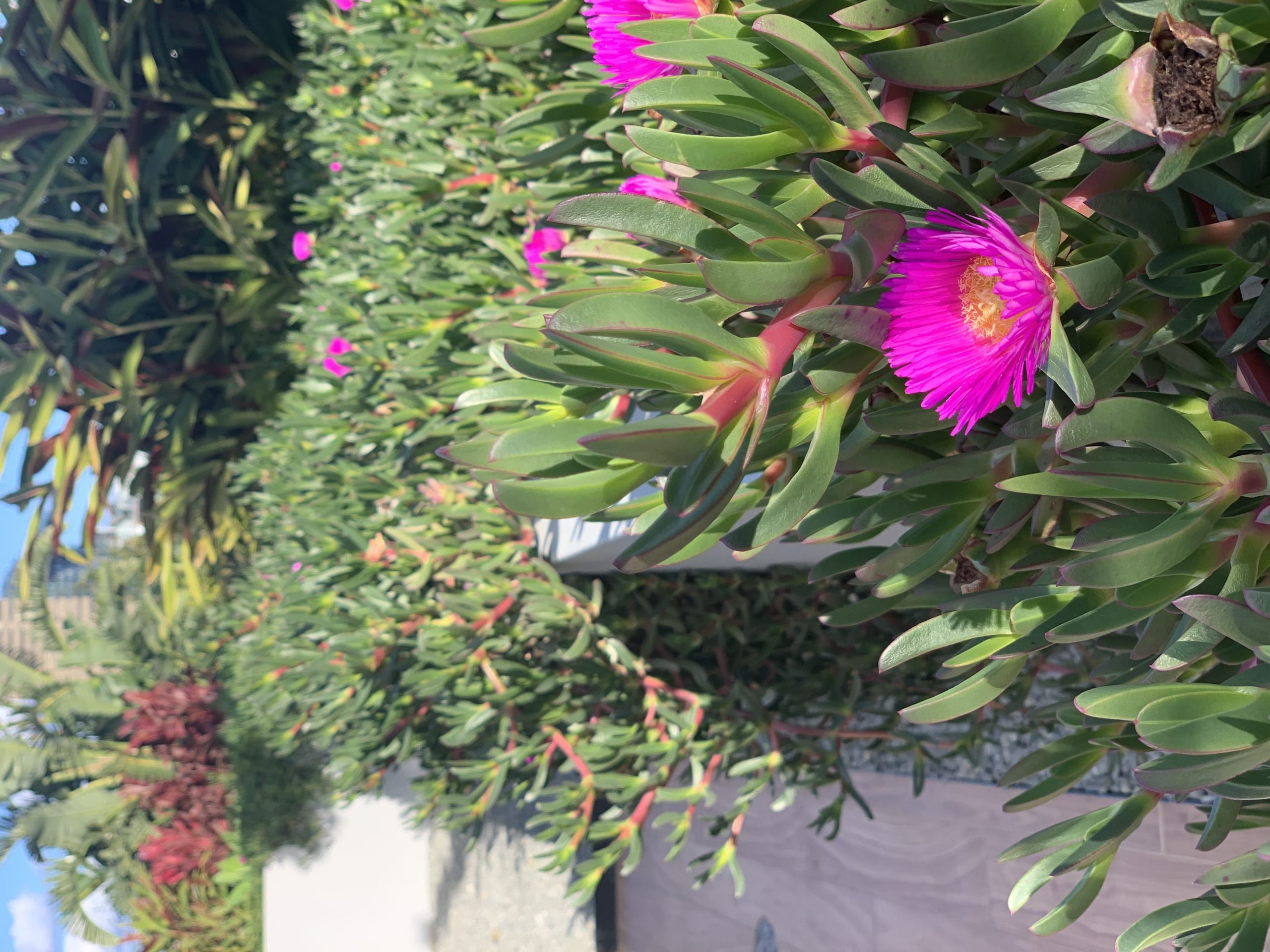
The benefits of native plants in landscaping are vast and multifaceted. From low maintenance requirements to ecological sustainability, aesthetic appeal, and cost-effectiveness, they also help increase property value by enhancing the overall look and long-term appeal of outdoor spaces. Incorporating native species into your landscape design is a wise choice for both the environment and your enjoyment.
As we move towards more sustainable practices in landscaping, native plants offer a powerful solution that not only beautifies our spaces but also nurtures the ecosystems that support us. Whether you are a seasoned landscaper or a novice gardener, consider the advantages of native plants for your next landscaping project.
By choosing to incorporate these species, you can create a vibrant, sustainable landscape that benefits both you and the environment for years to come. Deep, infrequent watering through the first two summers is more important than almost any other establishment practice. Sydney’s summer dry periods are long and unforgiving, particularly on the shallow sandstone soils where surface moisture disappears within days.
The result is a garden anchored to a place shaped by the same geology that shaped the harbour, the headlands and the bushland corridors that run through the city. A garden that looks like it belongs here, supports the birds and insects that belong here, and grows more self-sufficient with each year it settles into the sandstone and shale beneath it. If you need help or advice with choosing some native plants for your garden, our team is ready to assist you, contact us now.
NEW PROJECT?

 1300 457 457
 info@civilandscape.com.au