


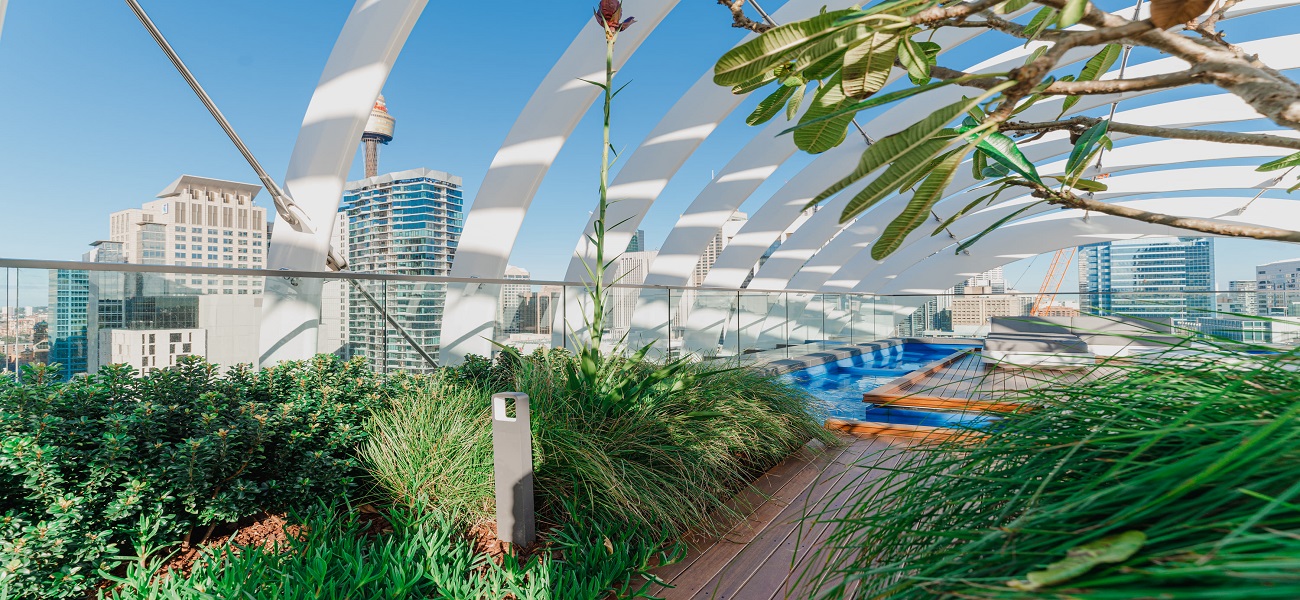


You’ve got a garden that is looking less than interesting and after being inspired by the home and garden makeover shows on TV, you’re thinking how hard can it be? But you soon realise you need some professional guidance, so who do you call, a garden designer or a landscaper? The truth is you probably need both.
Imagine stepping into a beautifully landscaped garden that feels like an extension of your home. Whether you envision a vibrant flower garden, a serene retreat, or a functional outdoor space, a professional garden designer can turn your dream into reality.
What is landscaping?
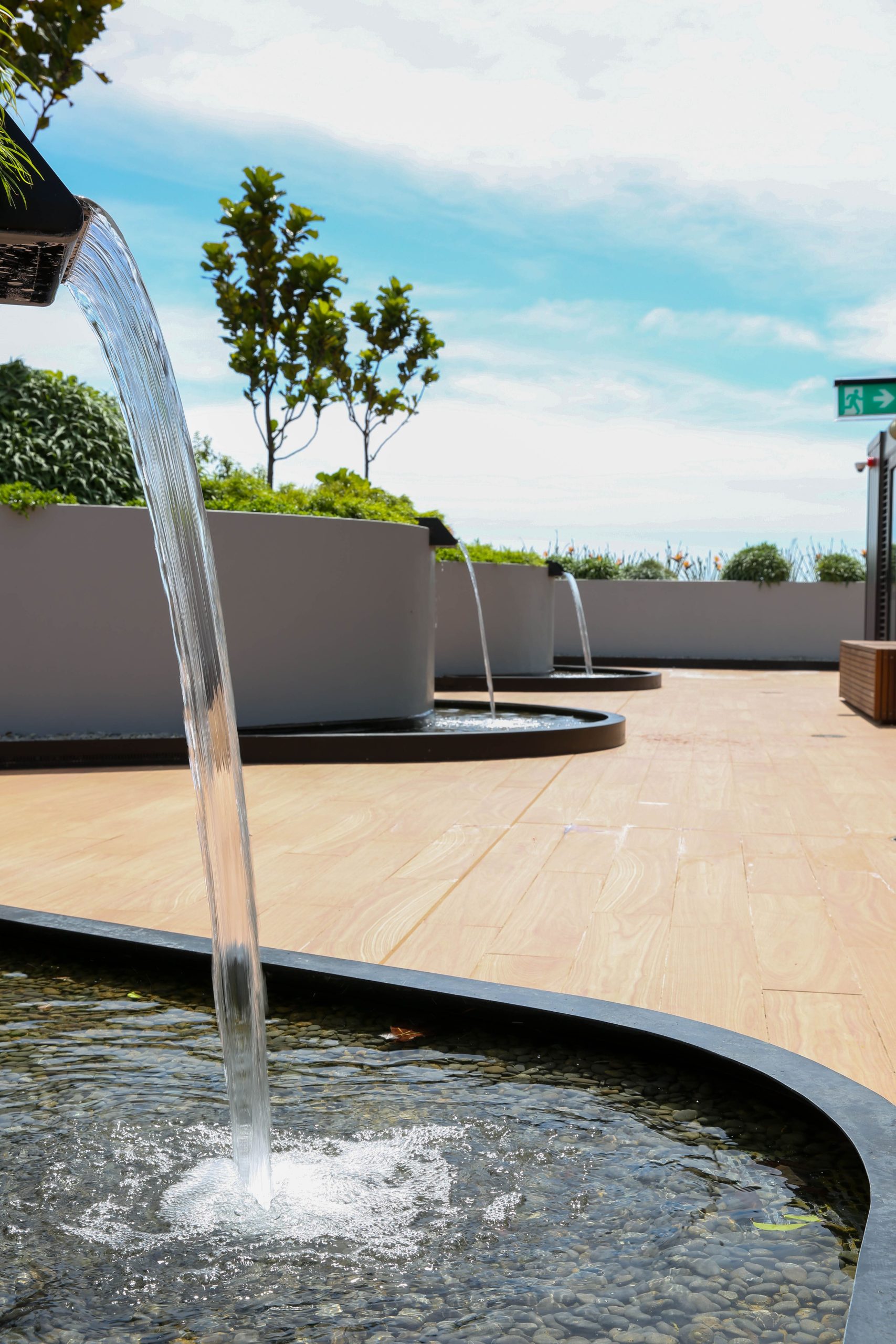
Landscaping is the art and science of shaping land to improve how an outdoor space looks and works. It involves planning, planting, and caring for outdoor areas through both plant elements and built features. The process includes garden design, soil preparation, planting, and basic outdoor structures.
This broad category covers two primary elements: softscape elements and hardscape elements.
Because landscaping is such a wide field, it often includes both installation and long-term maintenance. The goal is to create outdoor spaces that are visually appealing, environmentally balanced, and functional for everyday use.
What is garden design?
Garden design is the phase where the underlying framework of your garden is worked out. It focuses on layout, proportion, circulation, hierarchy, and function; the same fundamentals used in architecture and interior design, applied outdoors.
Most professional garden designers have some training in horticulture and the principles of design. Some are also landscape architects, a more formal level of training that usually requires an advanced degree and often a state licence.
Key differences between landscaping and garden design
Understanding the difference between garden design and landscape design can help you make the best choice for your outdoor project. Whether you’re looking to enhance a specific garden area or redesign your entire outdoor space, knowing what each discipline offers ensures you get the results you want.
A garden focuses primarily on plants: flowers, shrubs, trees, and other vegetation that add life, colour, and texture to your space. It’s about cultivating living things and caring for them over time. Gardening involves regular maintenance, watering, pruning, and soil management to keep everything thriving.
Landscaping, on the other hand, is a broader concept. It combines both softscaping (plants, grass, soil, and mulch) and hardscaping (paving, retaining walls, decks, pergolas, and pathways). Landscaping is about designing an entire outdoor environment that complements your home’s architecture, improves functionality, and adds long-term value to your property.
- Scope and Focus
- garden design: focuses on plant arrangements and garden aesthetics.
- landscape design: encompasses the entire outdoor environment, including both hardscaping and softscaping.
- Design Elements
- garden design: primarily concerned with plants and garden features.
- landscape design: includes a wider range of elements such as hardscaping, outdoor structures, and site analysis.
- Professional Expertise
- garden design: specialists in creating beautiful and functional garden spaces.
- landscape design: professionals who plan and execute comprehensive outdoor designs, integrating multiple elements.
Cost differences between landscaping and garden design
Landscaping costs can be influenced by several key factors:
- Scope of work: the more extensive the landscaping project, the higher the costs. This can include everything from grading land to installing patios and retaining walls.
- Materials used: high-quality materials such as stone or custom fixtures will increase costs. Choosing native plants versus exotic plants can also affect pricing.
- Labour costs: these can vary widely based on local labour rates and the expertise required for certain tasks. Landscaping costs typically range from $2,000 to $10,000 for larger projects. For simpler installations, smaller landscaping jobs may be as low as $500.
When calculating the costs associated with garden design, several factors come into play:
- Designer’s experience: more experienced designers typically charge higher fees due to their skill sets and portfolios.
- Design complexity: a simple garden design will cost less than a complex layout that requires detailed planning and unique elements.
- Location: depending on where you live, design costs can vary widely. Urban areas often have higher pricing due to demand.
- Labour costs: on average, garden design services can range from $50 to $150 per hour, and complete design services can range from $1,500 to $5,000 based on the complexity and size of your garden.
Which comes first: garden design or landscaping?
Garden design must always come before landscaping. Design involves creating the plan, layout, and vision for the space, while landscaping is the physical act of building and installing that design. A finalised, professional design prevents costly mistakes and ensures the construction phase (landscaping) runs efficiently.
- Garden design (planning): involves analysing the site, mapping drainage/sunlight, determining the layout (paths, patios), and selecting plants.
- Landscaping (building): involves transforming the design into reality, including excavation, laying hardscapes, installing lighting, and planting.
While gardeners and landscapers share a love for the outdoors, their roles are quite different.
A gardener tends to focus on maintenance and plant care. They’re responsible for mowing lawns, trimming hedges, weeding, fertilising, and keeping plants healthy throughout the year. A gardener ensures your outdoor space looks neat and vibrant.
A landscaper, on the other hand, is a designer and builder. They’re involved in transforming outdoor spaces through creative design and construction. Landscapers might build retaining walls, install drainage systems, lay paving, construct decks, or design planting layouts.
Landscapers create outdoor environments. Gardeners maintain those environments once they’re built.
Services included in landscaping
The good news is that an experienced landscaping team can handle any landscaping requirements of any size, from start to finish, whether you’ve bought a new home and need design ideas to create your dream garden or simply want an area of artificial grass for kids to play on. Landscape designers aim to create cohesive and functional outdoor environments that blend with the home’s architecture and the surrounding natural landscape.
- Complete garden design
- Makeover projects to seasonal maintenance
- Hard landscaping jobs such as constructing a new patio or deck
- Offering professional advice about achieving the aesthetic a homeowner wants
- Integration: ensuring that various elements of the design work harmoniously together
- Sustainability: incorporating eco-friendly practices and materials
- Usability: creating spaces that meet the specific needs and preferences of the homeowners
Services included in garden design
Garden design services encompass a wide range of activities aimed at transforming your outdoor space. The primary aim of garden design is to create visually appealing and enjoyable spaces. Garden designers emphasize:
- Design proposals: creation of detailed design plans and visualisations, such as sketches, 3D models, and planting plans.
- Planting plans: specific recommendations for plants, including their placement & quantities.
- Construction drawings: technical drawings for implementing hardscaping elements like patios, pathways, walls, and water features.
- Project management: overseeing the entire project, coordinating with contractors, and ensuring the design is implemented correctly and on time.
- Aesthetics: creating visually pleasing arrangements of plants and flowers.
- Functionality: ensuring the garden serves its intended purpose, whether it’s for relaxation, entertaining, or growing food.
- Maintenance: selecting plants and layouts that are easy to care for and suited to the garden’s environment.
How landscaping and garden design work together
The level of interaction is usually determined by the client with agreement from the designer and hard landscaper. The essential ingredient in all relationships, whether personal or work is communication. This is absolutely the same with a garden designer and a hard landscaper.
The key is making sure the designer communicates effectively with the hard landscaper what the designer and the client want. The designer needs to agree with the hard landscaper what is required to carry out the work and the landscaper needs to tell the designer what they need in order to carry out the build effectively.
Changes may come up during the build without anyone knowing, so it’s very important that the hard landscaper keeps them in the loop. Something as small as the depth or number of steps can change the feeling of a garden.
Common misconceptions about landscaping
- Trees are a beautiful addition to any yard. Trees can have a cooling effect similar to about 10 room air conditioners operating 20 hours a day. Trees are often used to create shade and cool down an area.
- When grass is cut short, it will actually grow faster. Sometimes a nice little trim is a better way to mow your lawn so that you can tend to it less frequently without it looking out of control.
- Morning is the best time to water your lawn because nighttime watering increases the chance of mold and mildew from sitting on your lawn and encouraging fungi to form.
- Springtime naturally may seem like the opportune time to get planting. Fall is more effective for planting. Many saplings and seedlings thrive in the mild temperatures usually present in the fall.
- A tree stump might be causing more issues than you realise. Tree stumps tend to spur new trees to grow. It’s very common for new trees to emerge off an existing tree stump.
- A good landscaper can make the yard of your dreams. Your landscaper will give you instructions on the best care for your grass, shrubs, and trees to keep it in good shape for years to come.
- An inexperienced landscaper can cause unnecessary problems, such as planting trees too close to your home. Trees close to the house could also damage your roof, which would be an unnecessary and frustrating expense to pay for.
Common misconceptions about garden design
- Planning November through February is the smart choice to allow plenty of lead time and beat the rush that sometimes delays springtime projects. Completing the design process over the summer off-season also sets up gardens for fall-planting.
- Design is a collaborative process. A welcome and crucial part of the process, client input ensures ideas, likes, and lifestyle are considered before and during the evolution of the design. Being equipped with a well-thought-out design allows homeowners to have more control of their projects in the long run.
- A well-thought-out, to-scale garden design is a practical tool, an organisational road map, and a must for estimating materials and costs. A good design organises our outdoor spaces.
- Symmetry is just one of several design principles utilised by good garden makers to create an outdoor space that is both harmonious and cohesive. Achieving balance, order and harmony does not in fact require mirroring every element in the landscape in a “matchy-matchy” way.
- Large, small, and in between, DIY projects of any size can benefit from design by a qualified professional. Outdoor spaces of all sizes need a cohesive master plan to save time, money, and make the most out of every square foot.
Examples of landscaping vs garden design projects
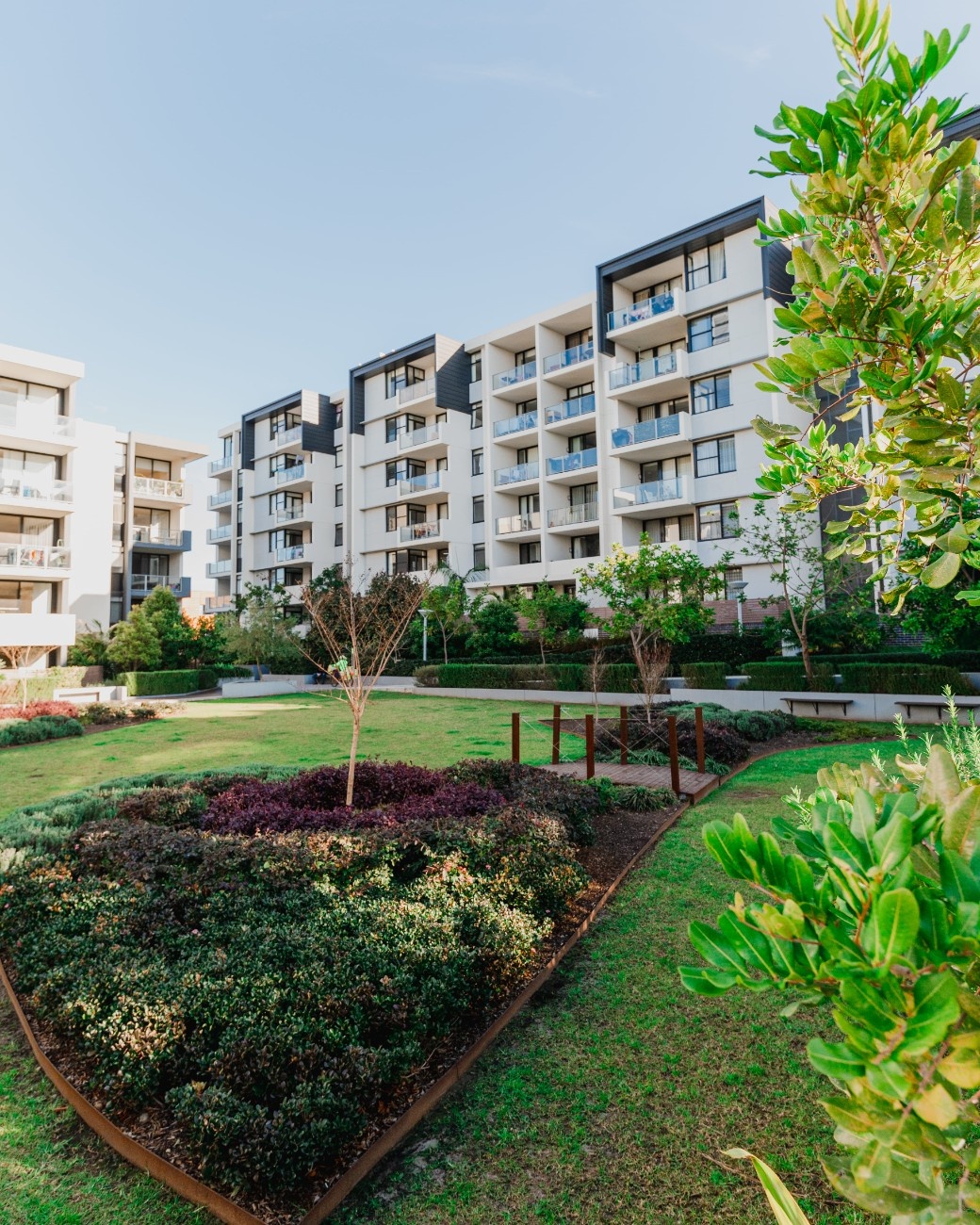
Examples of landscape design:
- Modern landscapes: clean lines and minimalist design with a focus on hardscaping and functional outdoor spaces.
- Naturalistic landscapes: designs that blend with the natural environment, using native plants and natural materials.
Examples of garden design:
- Cottage gardens: informal, colourful gardens filled with a mix of flowers and herbs.
- Formal Gardens: structured designs with symmetrical layouts and geometric patterns.
Understanding the difference between a garden and landscaping helps you make informed decisions about how to transform your property. Gardens are about plants and care. Landscaping is about design, construction, and creating an overall experience.
Both play vital roles in shaping beautiful outdoor spaces, but professional landscaping in Sydney gives you the foundation for something lasting and a design that grows with your home and your lifestyle.
So, whether you’re looking to refresh your front yard, add a new outdoor living area, or completely reimagine your property, our team is ready to assist you, contact us now.
NEW PROJECT?

 1300 457 457
 info@civilandscape.com.au