Trusted Civil Contractors in Sydney vs. New Entrants: Who Should You Hire?

Trusted Civil Contractors in Sydney

When it comes to large civil construction and infrastructure works in Sydney, choosing the right partner, one with proven reliability, technical strength, and local insight, can define your project’s success. That’s where trusted, Sydney-based specialists like Civil and Scape bring measurable value beyond cost.

Trusted civil contractors generally refer to firms with substantial track‐records, larger scale of operations, significant financial capacity, and proven delivery: especially in the Sydney infrastructure context.

New entrants (or smaller/mid-tier contractors) may be those newer to the Australian market, or firms scaling up from smaller-scope works. They often bring fresh energy, perhaps cost advantages, but may lack the same depth of large-project experience, systems or balance sheet.

So the comparison isn’t just “big vs small” but about matching project complexity, risk, and client expectations to the right contracting partner.

Why the distinction matters in Sydney
 

Civil Contractors in Sydney

The industry is currently struggling with shortage in skills, rising material, labour costs, and supply-chain bottlenecks. Regulatory & compliance demands continue to grow (safety, environment, quality, WHS) and new entrants may struggle more initially to meet the full suite of requirements.

There are many reasons why clients continue to favour established contractors like Civil and Scape. Firms that not only understand Sydney’s infrastructure landscape but have delivered consistently within its demanding standards. Some of the key advantages:

  1. Proven track-record & experience: contractor that has repeatedly delivered projects in Sydney (or NSW) of similar typology gives you comfort in their ability to handle anything complex, stakeholder interface and local regulatory environment.
  2. Financial capacity and risk management: established firms such as Civil and Scape maintain strong financial capacity and rigorous risk-management frameworks; essential for ensuring cost control and delivery certainty on projects of any scale.
  3. Robust systems, compliance & governance: when you pick a trusted contractor, you benefit from established systems: quality assurance, safety management (WHS), environmental controls, supply-chain management, subcontractor networks. These are all necessary in Sydney’s regulatory and project environment.
  4. Supply chain & resource depth: large contractors have existing relationships with suppliers, subcontractors, plant-equipment fleets and specialist resources. They often can mobilise quickly, scale the workforce, and have spare capacity in subcontractor networks.
  5. Ability to handle complexity: if your project is complex (multiple scopes: roads, utilities, earthworks, environment, traffic, staging, public interfaces) then an established contractor is likely more capable of managing all the moving parts. They will have been through similar projects.
  6. Better reputational security: given the public profile of large infrastructure works in Sydney, an established contractor will often have more at stake in terms of reputation and will have incentive to deliver. Also, a larger firm often has more warranties, bonds, track-record which you as a client can reference.

Advantages of new entrants

While there are strong reasons to favour established firms, newer contractors or smaller/mid-tier entrants also bring benefits especially in certain project conditions.

  1. Greater flexibility & personalised service: smaller or newer firms often have less bureaucracy, more adaptability, possibly quicker decisions on site. They may be more client-centric, willing to tailor services, adjust scope and give more direct access to decision-makers.
  2. Opportunity to build long-term partnership: if you foresee multiple projects in future, working with a newer entrant early may let you build a relationship, lock in preferred rates, and grow together. There is potential upside if they scale and deliver strongly.
  3. Less overhead, leaner structures: smaller contractors may have lower overhead costs, fewer layers of management, which can translate into cost efficiencies or better cost-control if managed well.

Risks of each side

To make an informed decision you must also weigh the risks and trade-offs inherent in each type.

Established Contractors New Entrants
Higher cost: Their overheads, risk premiums, and established market presence often make them more expensive. Lower cost: With leaner structures and smaller teams, they usually offer more competitive pricing — though this can come with higher delivery risks.
Less personalised feel: Larger firms tend to have formal processes, less flexibility, and multiple approval layers. More personalised service: Smaller teams often provide direct access to decision-makers and adapt quickly to client needs.
Possibility of complacency: Established reputation may make them slower to innovate or less agile. High motivation to prove themselves: New entrants often bring fresh energy, innovative ideas, and eagerness to build credibility.
Risk of being “too big” for your project: They may prioritise larger, higher-value projects, making smaller ones less efficient for them. Right-sized focus: Smaller firms may treat your project as a key priority and dedicate more attention to its success.
Financial stability: Backed by strong balance sheets, resources, and contingency planning to manage cost escalations. Financial vulnerability: Limited reserves and smaller balance sheets increase exposure to material price hikes or delays.
Proven capacity: Experience managing multiple large projects ensures resource availability and reliability. Capacity risk: Limited manpower and logistics may strain their ability to deliver under pressure or manage concurrent issues.
Lower risk of compliance issues: They often have established systems, certifications, and governance frameworks. Higher relative risk: Without mature systems, they may face more compliance, quality, or documentation challenges.

Market trends in Sydney that shape the decision

Trusted Civil Contractors

It’s worth noting some of the key market dynamics in Sydney that influence contractor selection.

  • Skills & labour shortage: the industry is experiencing a shortage of skilled workers and trades, which affects mobilisation and productivity.
  • Material cost and supply-chain pressure: higher material prices, import fluctuations and supply delays are real issues. Established firms may have established supplier contracts or forward-orders; newer firms may face more volatility.
  • Increased regulatory: projects now carry higher regulatory burden (safety, environmental, cultural heritage). A contractor with mature systems and compliance history is advantaged.
  • Innovation & sustainability push: clients and governments in NSW are demanding greener, smarter solutions. This shift opens opportunities for nimble/new firms who specialise in sustainable civil works solutions.

Choosing the right civil contractor in Sydney for civil construction isn’t just a vendor selection. Your decision will impact cost, quality, schedule and risk for the life of the project.

The difference between a trusted firm and a new entrant often comes down to systems, experience, resource depth and risk-absorption capability.

In the end, ask yourself: “What is the worst-case outcome if things go wrong?” If that answer carries significant cost, delay or reputational damage, you’ll likely lean toward proven experience. Contact us.
Trusted Civil Contractors in Sydney vs. New Entrants: Who Should You Hire?

Trusted Civil Contractors

When it comes to large civil construction and infrastructure works in Sydney, choosing the right partner, one with proven reliability, technical strength, and local insight, can define your project’s success. That’s where trusted, Sydney-based specialists like Civil and Scape bring measurable value beyond cost.

Trusted civil contractors generally refer to firms with substantial track‐records, larger scale of operations, significant financial capacity, and proven delivery: especially in the Sydney infrastructure context.

New entrants (or smaller/mid-tier contractors) may be those newer to the Australian market, or firms scaling up from smaller-scope works. They often bring fresh energy, perhaps cost advantages, but may lack the same depth of large-project experience, systems or balance sheet.

So the comparison isn’t just “big vs small” but about matching project complexity, risk, and client expectations to the right contracting partner.

Why the distinction matters in Sydney

established contractors

The industry is currently struggling with shortage in skills, rising material, labour costs, and supply-chain bottlenecks. Regulatory & compliance demands continue to grow (safety, environment, quality, WHS) and new entrants may struggle more initially to meet the full suite of requirements.

There are many reasons why clients continue to favour established contractors like Civil and Scape. Firms that not only understand Sydney’s infrastructure landscape but have delivered consistently within its demanding standards. Some of the key advantages:

  1. Proven track-record & experience: contractor that has repeatedly delivered projects in Sydney (or NSW) of similar typology gives you comfort in their ability to handle anything complex, stakeholder interface and local regulatory environment.
  2. Financial capacity and risk management: established firms such as Civil and Scape maintain strong financial capacity and rigorous risk-management frameworks; essential for ensuring cost control and delivery certainty on projects of any scale.
  3. Robust systems, compliance & governance: when you pick a trusted contractor, you benefit from established systems: quality assurance, safety management (WHS), environmental controls, supply-chain management, subcontractor networks. These are all necessary in Sydney’s regulatory and project environment.
  4. Supply chain & resource depth: large contractors have existing relationships with suppliers, subcontractors, plant-equipment fleets and specialist resources. They often can mobilise quickly, scale the workforce, and have spare capacity in subcontractor networks.
  5. Ability to handle complexity: if your project is complex (multiple scopes: roads, utilities, earthworks, environment, traffic, staging, public interfaces) then an established contractor is likely more capable of managing all the moving parts. They will have been through similar projects.
  6. Better reputational security: given the public profile of large infrastructure works in Sydney, an established contractor will often have more at stake in terms of reputation and will have incentive to deliver. Also, a larger firm often has more warranties, bonds, track-record which you as a client can reference.

Advantages of new entrants

While there are strong reasons to favour established firms, newer contractors or smaller/mid-tier entrants also bring benefits especially in certain project conditions.

  1. Greater flexibility & personalised service: smaller or newer firms often have less bureaucracy, more adaptability, possibly quicker decisions on site. They may be more client-centric, willing to tailor services, adjust scope and give more direct access to decision-makers.
  2. Opportunity to build long-term partnership: if you foresee multiple projects in future, working with a newer entrant early may let you build a relationship, lock in preferred rates, and grow together. There is potential upside if they scale and deliver strongly.
  3. Less overhead, leaner structures: smaller contractors may have lower overhead costs, fewer layers of management, which can translate into cost efficiencies or better cost-control if managed well.

Risks of each side

To make an informed decision you must also weigh the risks and trade-offs inherent in each type.

Established Contractors New Entrants
Higher cost: Their overheads, risk premiums, and established market presence often make them more expensive. Lower cost: With leaner structures and smaller teams, they usually offer more competitive pricing – though this can come with higher delivery risks.
Less personalised feel: Larger firms tend to have formal processes, less flexibility, and multiple approval layers. More personalised service: Smaller teams often provide direct access to decision-makers and adapt quickly to client needs.
Possibility of complacency: Established reputation may make them slower to innovate or less agile. High motivation to prove themselves: New entrants often bring fresh energy, innovative ideas, and eagerness to build credibility.
Risk of being “too big” for your project: They may prioritise larger, higher-value projects, making smaller ones less efficient for them. Right-sized focus: Smaller firms may treat your project as a key priority and dedicate more attention to its success.
Financial stability: Backed by strong balance sheets, resources, and contingency planning to manage cost escalations. Financial vulnerability: Limited reserves and smaller balance sheets increase exposure to material price hikes or delays.
Proven capacity: Experience managing multiple large projects ensures resource availability and reliability. Capacity risk: Limited manpower and logistics may strain their ability to deliver under pressure or manage concurrent issues.
Lower risk of compliance issues: They often have established systems, certifications, and governance frameworks. Higher relative risk: Without mature systems, they may face more compliance, quality, or documentation challenges.


Market trends in Sydney that shape the decision

infrastructure works in Sydney

It’s worth noting some of the key market dynamics in Sydney that influence contractor selection.

  • Skills & labour shortage: the industry is experiencing a shortage of skilled workers and trades, which affects mobilisation and productivity.
  • Material cost and supply-chain pressure: higher material prices, import fluctuations and supply delays are real issues. Established firms may have established supplier contracts or forward-orders; newer firms may face more volatility.
  • Increased regulatory: projects now carry higher regulatory burden (safety, environmental, cultural heritage). A contractor with mature systems and compliance history is advantaged.
  • Innovation & sustainability push: clients and governments in NSW are demanding greener, smarter solutions. This shift opens opportunities for nimble/new firms who specialise in sustainable civil works solutions.

Choosing the right contractor in Sydney for civil construction isn’t just a vendor selection. Your decision will impact cost, quality, schedule and risk for the life of the project.

The difference between a trusted firm and a new entrant often comes down to systems, experience, resource depth and risk-absorption capability.

In the end, ask yourself: “What is the worst-case outcome if things go wrong?” If that answer carries significant cost, delay or reputational damage, you’ll likely lean toward proven experience. Contact us.
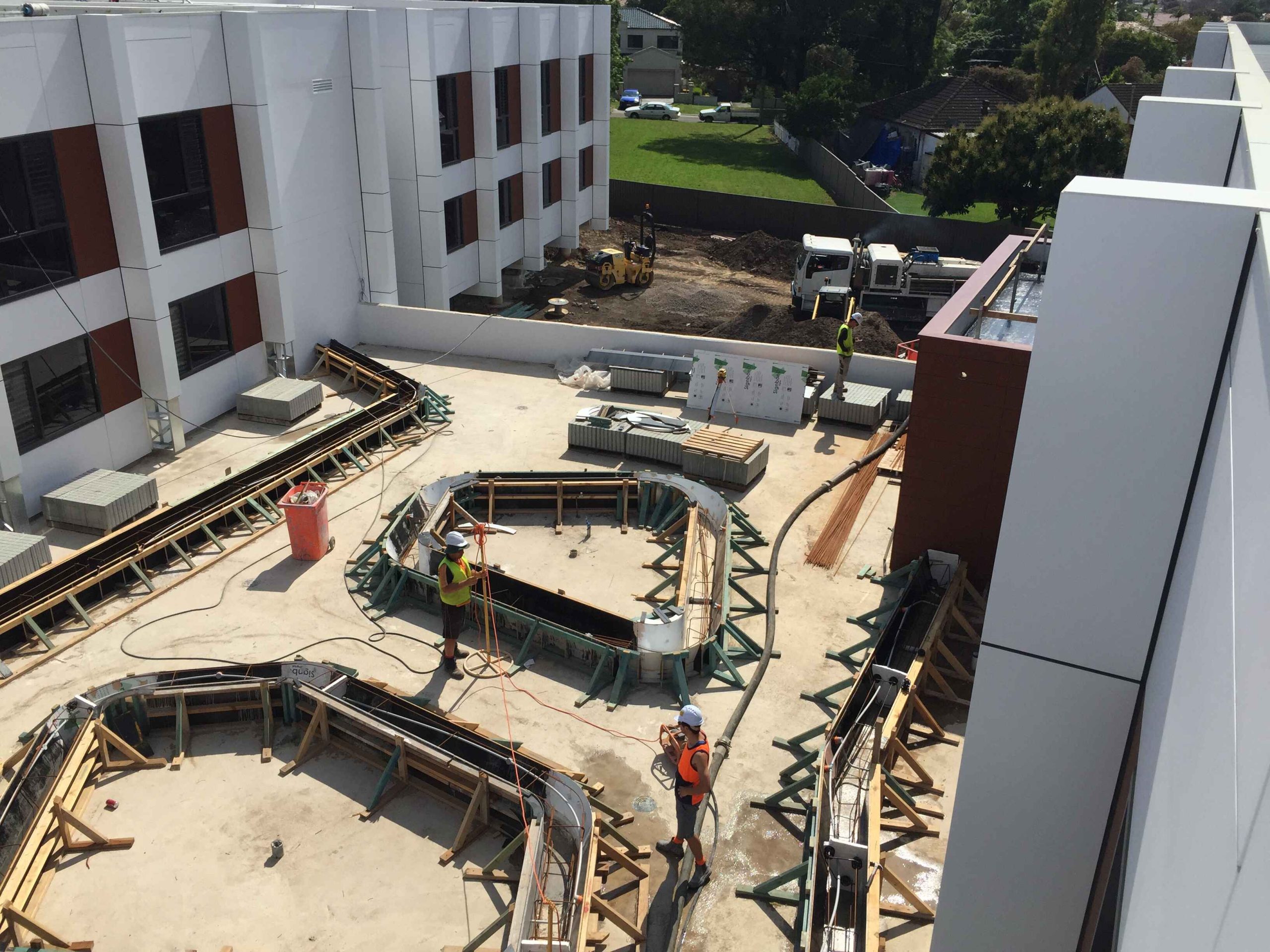
Signs of Trusted Civil Contractors in Sydney You Should Look For

civil contractors

Civil construction often goes under the name civil engineering because of its focus on engineering infrastructure projects. A civil contractor works to design physically built environments and maintain the integrity of natural and existing environments for civil projects.

Civil construction work typically looks the same throughout Australia. Civil contractors will commonly work on civil projects for natural and physically built environments in the following areas:

Transportation projects, including railways, roads, airports, and walkway construction

Water projects, including reservoirs, dams, settlement ponds, and sewerage system projects

Earthwork projects, including bridges, tunnels, and reshaping flood-prone areas

You might notice a common theme in these construction projects. All of these common systems contribute to making daily life easier and maintaining critical population support. This field is integral for building stable towns and cities that provide necessities for all.

What are the various types of civil construction?

civil construction

Civil construction covers a wide range of public infrastructure. From performing a sewerage system project to designing an environmentally stable structure in the city, civil construction comes in many forms.

Some of the most common infrastructure projects tackled by civil construction companies include: bridges, wastewater treatment centres, railroads, roadways, airports, dams and reservoir tanks, and canals.

5 benefits of hiring a professional building contractor

Construction has always been one of the most challenging jobs in the world. It requires considerable strength, precision, experience and proper equipment use. And the most critical quality is ensuring the safety of yourself and others while doing your job.

Therefore, hiring a professional building contractor in Sydney to fulfil your construction needs to outweigh all other aspects.

Hiring a professional has a myriad of benefits. They are fully equipped, require less time, are cost-effective, and maintain all safety protocols while doing their job. A good building contractor also provides liability insurance for any unfortunate instances.

  1. Skilled professionals up for the task: a construction crew is a group of highly skilled professionals who can efficiently handle the most challenging construction task. These workers are fully equipped with tools and advanced machinery to aid them in their tasks. You can rely on them to get the job done skillfully.
  2. Cost effective hiring: the pricing of construction contractors may seem slightly high, but it is worth each penny. When you take into consideration the skillset, the safety, and the outcome, it is cost-effective. Moreover, hiring a skilled team effectively fulfils your expectations. Construction work is costly anyway. If it turns out differently than you wanted, your hard-earned money goes down the drain.
  3. Time bounded work delivered: building contractors are very particular about their schedules. This is because they have other projects lined up for them. A good building contractor gives a very reasonable timeline beforehand for the client to adjust their schedules accordingly. That is why hiring building contractors ensures that your social commitments are not sidelined because of your house renovation, for instance. And most importantly, the work does not get rushed through to finish within the deadline.
  4. Quality work received: a professional building contractor has a team of highly experienced workers. This makes it so that the quality of work is optimum. Even when the project is handed in within the schedule, there are no chances of shoddy work. When you hire a contractor, you hire them for quality work to be completed within time. A good contractor makes sure that the expectation of its client is not just met but also surpassed.
  5. Customisation made simple: the most crucial advantage of hiring a professional building contractor is that they can customise the work based on the need of the hour. Sometimes, you refer to a model or prototype that does not fit the dimensions available. This leaves room for some problem-solving and customisation based on your needs. You can achieve this with the help of a skilled building contractor in Sydney. The adaptability is bound to make you feel pleased about the results.
  6. Compliance with local regulations and standards: Sydney’s construction industry is governed by strict regulations and building codes. Professional contractors understand these standards and ensure every aspect of your project complies with them. From permits to safety certifications, they help you with all the legal framework that you need in an efficient manner; saving you from potential fines or project delays due to non-compliance.
  7. Access to reliable resources and networks: established contractors maintain long-term partnerships with reliable suppliers and subcontractors. This ensures the consistent delivery of high-quality materials at better prices and access to trusted specialists when needed. Their established network not only streamlines operations but also minimises downtime and unexpected costs.
  8. Long-term maintenance and support: a major advantage of hiring a professional contractor is their continued commitment after project completion. Reputable firms offer maintenance, warranty, and aftercare services to ensure the structure’s longevity. This ongoing relationship offers peace of mind, knowing you can count on their expertise if issues arise in the future.

professional building contractor in Sydney

Hiring a professional building contractor in Sydney is more than just a convenience. It’s a guarantee of reliability, safety, and quality. From ensuring compliance with industry standards to providing access to skilled professionals and high-grade materials, experienced contractors bring a level of expertise that safeguards your investment and ensures your project stands the test of time.

While cost and time are crucial considerations, the true value lies in the peace of mind that comes from working with a trusted professional. Whether you’re constructing a residential property or undertaking a large-scale civil project, hiring the right contractor ensures that your vision is realised efficiently, safely, and with enduring results. To partner together, contact us.

Future Trends in Civil Contracting for Civil Contractors

Civil Contractors

The civil construction industry is transforming, driven by technological trends and innovative practices. New equipment, advanced materials, and new building methods are changing the industry. This leads to lighter, more sustainable, and stronger structures.

Civil contractors believe that using cloud-based collaboration, robotics, advanced materials, wearable technology, and artificial intelligence is important. To them, it is more than just a trend and an advancement toward changing the construction industry.

These trends are important in reducing construction and labour costs, enhancing productivity, and improving efficiency.

Eco-friendly and green construction is becoming crucial in the building industry. This change shows that society values the environment and being efficient. These practices will lead to improved energy efficiency, longer-lasting buildings, and cost savings for construction projects.

Using renewable energy and eco-friendly materials is now common in building designs. Most construction companies show their commitment to renewable energy sources this way.

These sustainable materials and technologies are key in building green buildings and smart cities. They help reduce energy use and promote eco-friendliness.

Building information modeling (BIM)

Building Information Modeling (BIM) represents a shift from traditional Computer-Aided Design (CAD) in the construction industry. BIM extends beyond creating visually appealing 3D models. It integrates layers of metadata, offering a dynamic, real-time view of the project.

This real-time data is invaluable to a civil construction project. This technology captures intricate details of construction projects in ways traditional paper blueprints cannot. Moreover, this construction technology plays a role in early-stage problem-solving. It automates detection and offers a picture of the project, aiding in quality control and predictive maintenance.

This innovation is an important trend in sustainable building. It boosts efficiency and lowers construction costs. At the same time, it improves quality of life with better designs.

Virtual reality and augmented reality

In the changing world of construction, virtual reality (VR) and augmented reality (AR) improve traditional building methods. These digital technologies enable teams to enhance building designs, identify potential design errors, and improve overall project planning.

Allowing 3D modeling and 3D printing of buildings and structures, allowing for details and planning.

Innovating Building Information Modeling (BIM) processes, providing interactive design experiences and gesture interfacing.

Offering clients the opportunity to explore and interact with virtual models of their projects before actual construction begins.

Assisting maintenance workers and service engineers with advanced tools like “seeing through walls” for efficient troubleshooting and maintenance.

Project management solutions

The civil construction industry is witnessing a significant shift with the integration of advanced project management solutions. Technological advancements drive this trend and reshape how construction teams manage projects. Many companies are now creating construction project management software.

This shows a change in the industry. These modern construction management software solutions have easy-to-use interfaces and helpful features. They include time tracking, equipment rental management, change order processing, and full project management tools.

A key benefit of these project management tools is their ability to centralise all project-related documents. This is important for clear communication between subcontractors and contractors. It helps the project run smoothly and ensures that the team makes timely payments when they complete the project.

As the construction industry evolves, these project management solutions are pivotal tools for driving success in construction projects.

Green construction and sustainable cities

Green construction practices are important in the evolving landscape of the construction industry. These methods focus on reducing the carbon footprint and greenhouse gas emissions. The adoption of sustainable and recycled materials, alongside innovative building techniques, is transforming traditional construction methods.

This shift contributes to the development of energy-efficient buildings and integrates renewable energy solutions like solar panels. These green buildings play a crucial role in establishing smart cities, optimising energy consumption and promoting eco-friendly lifestyles.

Eco-friendly construction

The construction sector is increasingly focusing on eco-friendly practices to enhance eco-friendliness. This involves a concerted effort to reduce material waste and optimise the use of sustainable building materials.

The economic downturn has led to a review of material costs. Effective waste management strategies are integral to this approach, minimising environmental impact and supporting the growth of sustainable cities.

The shift to sustainable construction is both an ethical choice and a smart response to material shortages. It also aligns with the global focus on eco-friendliness.

This approach sets new standards in the construction industry, paving the way for a more sustainable future.

Contact us now to optimise your construction needs.

Beyond Concrete: How Sydney’s Civil Contractors Are Paving The Way For Sustainable Infrastructure

Civil Contractor Sydney

Sydney’s impressive urban and natural landscapes are no accident. The construction industry, particularly civil construction, has committed itself over decades in transforming Sydney through maintenance, design, and development of natural and physically built environments, with future decades in mind. At Civil and Scape, our civil contractors are taking to create more environmentally sustainable infrastructure, such as using eco-friendly materials, designing for energy efficiency, and implementing green building practices to plant the seed for sustainable infrastructure, including reduced carbon emissions, lower operating costs, and increased resilience in the face of climate change.

What is sustainable infrastructure, and why is it important to us?

Sustainable infrastructure is becoming increasingly important as we strive to address climate change and reduce our impact on the environment. It refers to the creation of infrastructure that meets the needs of the present without compromising the ability of future generations to meet their own needs.

As major contributors to the development of infrastructure, we have a crucial role to play in promoting sustainability. Fortunately, many civil contractors have already begun to embrace sustainable practices, recognising the benefits of doing so for Sydney’s environment. By incorporating sustainable materials, designing for energy efficiency, and implementing green building practices, Civil and Scape is helping to pave the way towards a more sustainable future.

What does a civil contractor do for Sydney’s urban and natural landscape?

Civil contractors are typically responsible for providing construction services for various civil engineering processes, including but not limited to:

  • Roads
  • Commercial Buildings
  • Construction Projects
  • Other infrastructure projects

These tasks can include everything from earthworks, such as excavation and demolition, to the finishing touches, such as landscaping and maintenance. A civil contractor will handle every aspect of your construction project, from the first dig to the final touch.

A civil contractor company manages the entire construction process for civil engineering projects. They work with various professionals and subcontractors to ensure the project is completed on time, within budget, and to the required safety and quality standards. Some of the specific tasks that civil contractors may be responsible for include:

  • Planning and Design: A civil contractor company may work with architects, engineers, and other professionals to create detailed plans and designs for the construction project.
  • Earthworks and Site Preparation: Civil contractors are responsible for excavating and grading the site, including levelling the land and removing any obstructions. This includes bulk excavation, demolition, and rock sawing.
  • Construction: Civil contractors manage the construction process, which includes overseeing the work of subcontractors, managing materials, and ensuring that the project is progressing according to schedule.
  • Concrete and Paving: Civil contractors are responsible for pouring and finishing concrete, as well as laying asphalt and other paving materials.
  • Drainage: Civil contractors are responsible for installing and maintaining stormwater and sewage systems, including pipes, drains, and treatment plants.
  • Landscaping: Civil contractors are also responsible for the final touches, including planting trees, laying turf, and installing irrigation systems.
  • Project Management: Civil contractors are responsible for managing the entire construction project, including scheduling, budgeting, and coordinating with all stakeholders.

How civil contractors contribute to a more sustainable Sydney

  1. Eco-Friendly MaterialsCivil contractors increasingly use eco-friendly materials in their projects, recognising the benefits of sustainable construction practices. Some of the most common types of sustainable materials used in civil contracting include:
    • Recycled Materials: Many civil contractors are using recycled materials, such as recycled concrete, asphalt, and steel, to reduce waste and conserve natural resources.
    • Sustainable Wood: Sustainable wood, such as bamboo and reclaimed wood, is an excellent eco-friendly option for civil contractors who want to reduce their environmental impact.
    • Insulated Concrete Forms: Insulated concrete forms are made from foam insulation and are becoming an increasingly popular choice for civil contractors due to their energy-efficient properties.

    While eco-friendly materials have numerous benefits, they can also have some drawbacks. For instance, they can be more expensive than traditional materials, and finding suppliers may be more challenging. However, the benefits of using sustainable materials often outweigh the costs, particularly regarding the long-term benefits of reduced environmental impact.

  2. Designing for Energy Efficiency    
    Designing for energy efficiency is another essential consideration for civil contractors who want to create sustainable infrastructure. Energy-efficient design can help reduce energy consumption and greenhouse gas emissions, and save costs over time.One strategy for creating energy-efficient infrastructure is to use passive solar design principles. This approach maximises the use of natural light and heat, reducing the need for artificial lighting and heating systems.Another strategy is to incorporate renewable energy sources into infrastructure projects. For instance, solar panels or wind turbines can be installed to generate electricity for buildings and other infrastructure.
  3. Green Building Practices
    Green building practices incorporate sustainable design and construction principles to create buildings and infrastructure that are environmentally responsible and resource-efficient.Green building practices offer numerous benefits, including improved energy efficiency, reduced environmental impact, and improved indoor air quality. Several projects worldwide incorporate green building practices, including the One Central Park in Chippendale, NSW.

While there are some challenges to implementing sustainable practices, the long-term benefits of reduced environmental impact and improved resource efficiency make these efforts worthwhile. As the demand for sustainable infrastructure grows, we can expect to see an increasing number of civil contractors join us in embracing these practices, creating innovative solutions to address the challenges we face as a society. With a shared commitment to sustainability, we can build a more resilient, prosperous, and equitable world for generations to come.

Choosing the Best Civil Contracting Company in Sydney

Choosing the right civil contracting company is crucial to the success of your construction project, especially in light of current environmental issues. Here are a few tips to help you make the right choice towards a sustainable Sydney:

  • Look for experience: a company with a proven track record of success is more likely to deliver quality work.
  • Check for certifications and qualifications: ensure the company has the necessary qualifications and certifications to handle your project.
  • Ask for references: speak to past clients to get an idea of the company’s reliability and quality of work.
  • Look for a company that values safety and environmental sustainability: a good civil contractor will prioritise safety and environmental sustainability in all of their work.
  • Consider communication: a good contractor will keep you informed throughout the project and be available to answer any questions you may have.

At Civil and Scape, we offer a range of civil, landscape, and maintenance services. We have the capacity and resources to deliver small to mid-scale civil projects and are passionate about delivering projects to the highest possible standards of workmanship and service.

If you would like to get to know our practices a little more and get a quote, get in touch today.

A quick link to our capabilities here at Civil and Scape:

4 reasons why our civil contractors recommend asphalt paving to businesses

civil contractors

At Civil and Scape, our civil contractors have had experience at several businesses across a number of industries. This experience has given them deep insight and unique knowledge into what services and materials are best suited for different types of businesses. We know that, sometimes, our clients are in the dark about what is most effective for their business. For this reason, we advise them on what is best depending on their industry and the physicality of their business. 

One of the most important and most popular requests from clients is to provide paving services for their business. We often get these enquiries from clients with large physical premises as they have enough room to require paving. Paving is when a material is used to add another layer onto the surface of a road. 

The material for paving varies and can include concrete and asphalt – both of which we offer. However, your material of choice should be done carefully. Materials have different characteristics and specific uses; choosing the wrong material can hurt your investment. In this article, we’ll discuss the benefits of asphalt and when it is best used.

What type of material is asphalt?

Asphalt is a sticky, black, highly viscous liquid or semi-solid form of petroleum. It is obtained either as a residue from the distillation of petroleum or from natural deposits and consists of compounds of hydrogen and carbon with minor proportions of nitrogen, sulphur, and oxygen. 

Asphalt is known to be:

  • Stable 
  • Durable 
  • Flexible
  • Fatigue-resistant
  • Skid-resistant
  • Impermeable 
  • Workable 

4 reasons why our civil contractors recommend asphalt paving

Extremely resistant, durable and safe

The #1 priority for most businesses is to invest in a material that is safe and long-lasting. Asphalt is one of the most resistant, durable and secure materials to pave your road, parking lot or access path with. 

Asphalt offers high skid resistance and provides high contrast in colour between asphalt pavement and road markers (if you were to add road markers), improving visibility for your business’s drivers or visitors to your premises. Asphalt does not deteriorate in the face of heavy rains or high temperatures and reduces glare (which can impair drivers) because of the asphalt road’s dark colour.

Asphalt roads are also much smoother and do not deteriorate under a lot of pressure which doesn’t just make them safe for business, but is particularly suited to construction companies that frequently have heavy trucks going in and out of their premises.

Cost-effective to build and maintain

Smooth roads save money because fewer holes and uneven surfaces mean that a business’ vehicles won’t be damaged as easily. Therefore, it can be surmised that asphalt roads reduce the maintenance costs of roads as well as the operating costs of vehicles.

As asphalt roads are incredibly durable and resistant, they require only periodic maintenance, reducing the overhead costs of your business. Asphalt roads can also be built very quickly and cost-effectively. As both the maintenance and construction of asphalt roads are cost-effective, this material can be considered economical in both the long and short term.

Requires very little disruption time

With any type of landscape construction, a major concern for businesses is the time it takes for the construction process to be complete. In many cases, construction can reduce productivity which ultimately, decreases the money coming into the business. 

With the paving of a road, businesses may expect that access to and from the physical building will impede visitors, customers and even employees, however, it is not the case with asphalt paving. Asphalt can be laid very quickly. Depending on the size of your project, it can be done in one day or even overnight. 

Provides an aesthetically pleasing appearance to a number of businesses

Asphalt is one of the most attractive materials that can be used for a business. Its durability means that it doesn’t wear easily and will maintain its flawless appearance for a long period of time. Asphalt itself is a beautiful material. It is jet black and gives any access path, parking lot or road a professional appearance.

At Civil and Scape, our contractors will be more than happy to discuss which material is best for paving your business. We understand that it requires a lot of careful thought and planning which is why we offer guidance upon your first meeting with us.

If you’re interested in seeing some of our work, browse through our gallery to view our past projects. Want to have a chat? Give us a call on 1300 457 457 or shoot us a message.

Three Ways Civil Contractors Have Helped Keep Sydney Rolling During the Pandemic

civil contractors

The Coronavirus pandemic has undoubtedly affected how we think, act in public, and approach our work lives. 

Unfortunately, many industries were negatively affected due to these unforeseen circumstances. In sectors such as airlines, hospitality, retail, sport and the arts, almost a million jobs have been lost in Australia alone. 

In response to the pandemic, the federal government promptly actioned various funding initiatives to ensure citizens were as least affected as possible. In addition to this, much funding was invested into the construction industry, including infrastructure, providing, and improving employment opportunities. 

In Sydney, civil contractors and the construction industry as a whole continued to work through the pandemic and offered employment to those out of the industry to ensure more households can manage to pay their bills and put food on the table. At Civil and Scape, we continued our daily work and spent much time implementing safety measures for our staff to ensure the risk of COVID-19 transmission on our job sites was little to none. 

Civil contractors were able to thrive during this time, boosting the industry and helping the economy as a whole along the way. 

1. Increased employment offers

As the industry’s wheels kept turning during this time, employment in the sector remained stable and in some states increased, assisting the economy as a whole during the crisis. While other industries suffered unprecedented falls in employment rates, civil contractors and the building industry helped keep the economy afloat. 

The majority of businesses were forced to close their doors and have their employees work from home. Civil contractor companies could then fast-track refurbishment/construction projects. The forecasting of projects was compressed due to extended hours where noise-polluted works were permitted, thus creating more hours and opportunities for employees and the industry. 

2. Continuous improvements to infrastructure 

Government investment in infrastructure and the remodelling of some of Sydney metropolitan areas will see improved living standards.  

The linking of metropolitan centres and an increase in business districts (thanks to continuous government investment) is one factor behind Sydney infrastructure’s constant improvement. 

The Western Sydney Infrastructure Plan involves major road and transport links that will deliver a much-needed surface transport network within the Western Sydney region. This ensures passengers, employees, and freight’s efficient movement once we edge closer to the Western Sydney Airport opening in 2026.

As a result, the civil landscape industry remains active, working hard to improve the cityscape of Sydney. 

3.Property values increased/stabilised due to infrastructure efforts  

Demands for residential housing in Sydney and a boom in the property market show a promising outlook for the industry in the years to come. Combined with the delayed shock of overseas migration, metropolitan areas such as Sydney and Melbourne have improved in property demand due to 2020 border closures.

The surge in residential improvements has also gained traction in improving civil works. 

Unprecedented times and unprecedented amount of jobs for Civil and Scape, with the flow of projects that continue to come through, our employees feel secure due to our workflow consistency. We, as a company, appreciate the support from the government for their investment in infrastructure and other grants. Our outlook on the future of our industry and economy is much brighter than it was this time last year. 

Civil and Scape thrive off meeting motivated and driven individuals who share our passion for our industry. Due to our company’s rapid growth, we frequently have new opportunities across our construction and maintenance divisions. Are you interested in joining our ever-growing team? Contact us today.

How can a civil works company improve our city?

civil works company

 A civil works company, like Civil and Scape, offers civil construction and earthworks services for public spaces and properties. As one of the leading civil works companies in NSW, Civil and Scape proudly delivers services that are transformative for both the aesthetic and functional aspects of a property or space. Unlike many landscaping companies that focus solely on ‘softscape’ elements, Civil and Scape is able to offer more flexible and expansive solutions for areas which need to transform their physical exterior space.

When the council or the government are exploring options for the improvement of public space, ‘soft’ landscaping and interior design of a property are often thought of – but not civil works. Civil and Scape’s civil works and earthworks services have the potential to do more than simply change the profile of public space. It can improve its accessibility, facade aesthetic, attractiveness to residents and more. Before we get into the details of the potential of a civil works company, let’s first take a look at the services that fall under civil works and what earthworks entail.

What are civil works and earthworks?

Unless you’re in the construction and engineering industry, it is unlikely that you will understand what civil works and earthworks entail nor how they will impact a property/space. Civil works involves the construction of both natural and physically built environments including stormwater infrastructure and roads for public spaces. Earthworks are engineering works that are done through the moving and processing of soil or unformed rock. It is usually done to reconfigure the topography of the site for design elements.

From both definitions, it is clear that civil works and earthworks are important foundational services needed for the execution of integral aesthetic and functional elements. In the next section, we’ll explore more specific ways that a civil works company can improve our city’s public space.

4 ways a civil works and earthworks company can improve our city

Improve accessibility through the construction of different access ways

Accessibility is a key feature for public spaces as it determines whether residents of a city can access goods and services. Civil works are responsible for the construction of stairways, pathways and ramps. In addition to facilitating the movement of people, civil works are also responsible for constructing access ways that give people with disabilities equal opportunity to participate in and contribute to the full range of social, political and cultural activities. This is outlined in the Disability Discrimination Act (DDA) 1992. Public as well as commercial spaces must adhere to this legislation.

Through the construction of wheelchair ramps and stairways, persons of varying disabilities and ages will be accommodated.

Provide a professional aesthetic and functional element for the landscape through kerbing

Kerbing is the concrete border used to line pathways or section off portions of a landscape. Instead of using stones or timber, concrete kerbing is a more refined and professional way of cordoning off an area. In addition to its aesthetic benefit, kerbing prevents elements from disturbing portions of the landscape. It also serves as a partition between the road and pavement and guides vehicles and cyclists on the road, keeping pedestrian safe.

Increase the security and appearance of a building with a concrete wall

Security in public buildings is incredibly crucial, especially since many of them also contain important information. Concrete retaining walls are integral for preventing the earth from moving downhill with erosion. Battling gravity is its primary purpose as it works to ensure that erosion does not impact the structural integrity of the building. From an aesthetic perspective, a concrete retaining wall provides a clean and professional facade for a public building. It’s a relatively cost-effective element when you consider that it provides durability, security and a refined aesthetic.

Improved structural integrity through steel fixing

Securing a building’s foundation can be done through steel fixing. Steel fixing involves the positioning of steel bars which reinforce concrete on the project. While purely functional, it is integral for prolonging the life of a building and for securing an existing structure, thereby providing safety for the public. This service is usually needed when there are practical additions to an existing building. At Civil and Scape, our team works in conjunction with engineering designers and steel erectors to ensure that this service is executed perfectly and that the structural integrity of a building is bolstered.

Work with our team today for a seamless experience and perfect execution. Browse through our gallery to view our past projects.

How Can Commercial and Civil Concrete Work Help Your Design Project?

commercial and civil concrete work

Concrete work does not come to mind when you think about creating a beautifully designed project. However, concrete work is the foundation and process needed for many popular design elements, even in landscaping. At Civil and Scape, commercial and civil concrete work is one of the services that we offer as we understand the advantage of having a team of experts in this field in our line-up of resources. It opens up the possibilities of your designs and gives us the tools to perfectly execute what you want.

With civil jobs, we work with other companies and organisations to provide accessible and professionally executed jobs. Whether you have a commercial or civil project, expect our concrete work to reflect a high standard of workmanship and refined design. Whatever the job, it must be done right. Here are the qualities you can expect from our commercial and civil concrete work services.

  • Refinement – Our concrete work is always expertly constructed. Expect smooth edges and curves and meticulously completed details.
  • Professionalism – Every finished concrete job gives the entire project a professional and expert finish, updating any project instantly.
  • Functionality and accessibility – Concrete works allow for the construction of pathways making many projects functional and accessible for persons of varying abilities.

Kerbs

You can find concrete kerbs in both civil and commercial projects. They don’t only provide edging to a pavement or path but, they also neatly border flower beds, shrubs and trees, provide an elegant separation between a pathway and road, and enclose sections in gardens or communal areas.

Kerbs can be made from stone or concrete. Concrete kerbs make for an attractive permanent landscape accent in both civil and commercial jobs. Here are some of the advantages of including a concrete kerb in your next design project.

  • Customisable with various colour and design options
  • Flexible directional designs with flowing curves and straight lines allowing for optimal fluidity in a design project
  • Economical and quickly executed
  • Weather-resistant as it will not rust, decompose, break or move like other materials traditionally used to substitute concrete kerbing
  • Does not disturb existing landscaping

Slabs

Concrete slabs are the pathway to many possibilities in design projects. Slabs are the base of elements like floors, roofs, ceilings, beams and columns. Though not a design element on its own, it is the foundation for many transformational elements of your design project. Here are some of the amazing elements that a concrete slab can incorporate into your project.

  • Concrete beams – A plain concrete beam is elegant and sleek by itself, however several designs can be incorporated into it. Depending on your aesthetic, you can choose from regal, modern and rustic beams. Additionally, you can also frame concrete beams into a design. If your property is overlooking a spectacular view, a recent trend has been to use concrete beams to frame the view.
  • Flooring – Concrete slabs are used as the base for flooring. Usually, wood, laminate or tile flooring is placed on top, giving you ample designs to select from and a guaranteed durable and solid foundation.

Access paths

In addition to providing conventional civil concrete pavements, concrete can also provide firm and durable footpaths in your home or commercial building. It is a versatile material to use for an access path as it can be easily customised to fit its surroundings and is extremely weather resistant. A concrete path is more accessible and practical because of its smooth finish and hard surface, making it perfectly suitable for persons with accessibility issues. To maintain the clean and sleek finish of a concrete footpath, it does not easily traffic dirt, mud and grease, making it the perfect option for Sydney living. Some of our favourite areas to use a commercial concrete footpath are:

  • Access footpaths in communal gardens and outdoor lounge areas of apartment complexes
  • Access ways from the beach or pool to hotel entrances
  • Outdoor entertainment areas

Are you in need of commercial or civil concrete work for your design project? At Civil and Scape, we have a deep understanding of all aspects of landscape construction and maintenance which allows us to take a forward-thinking and unique approach.

We provide proactive and sustainable solutions, ensuring to deliver a successful outcome. 

Work with our team today for a seamless experience and perfect execution. Browse through our gallery to view our past projects.

Want to have a chat? Give us a call on 1300 457 457 or shoot us a message here.