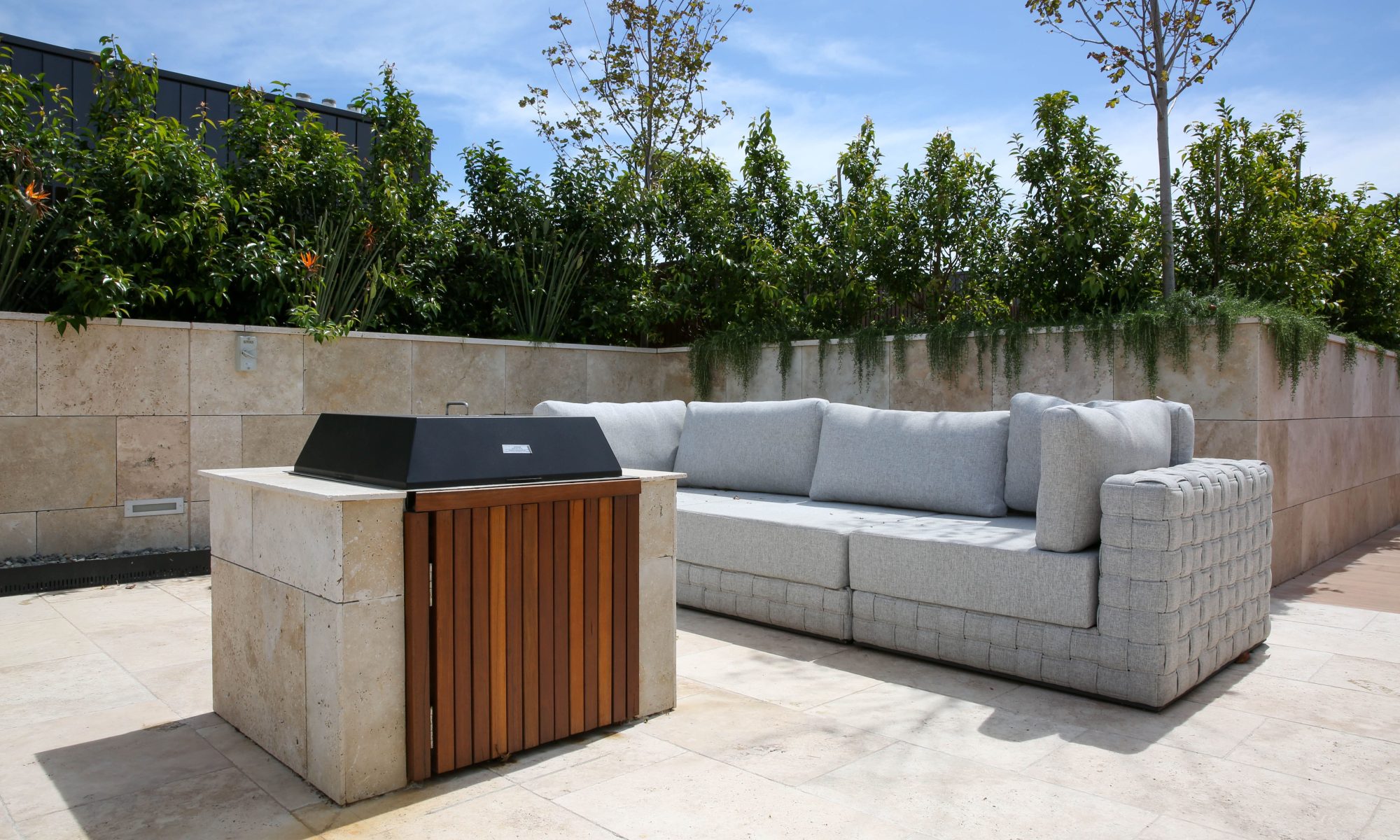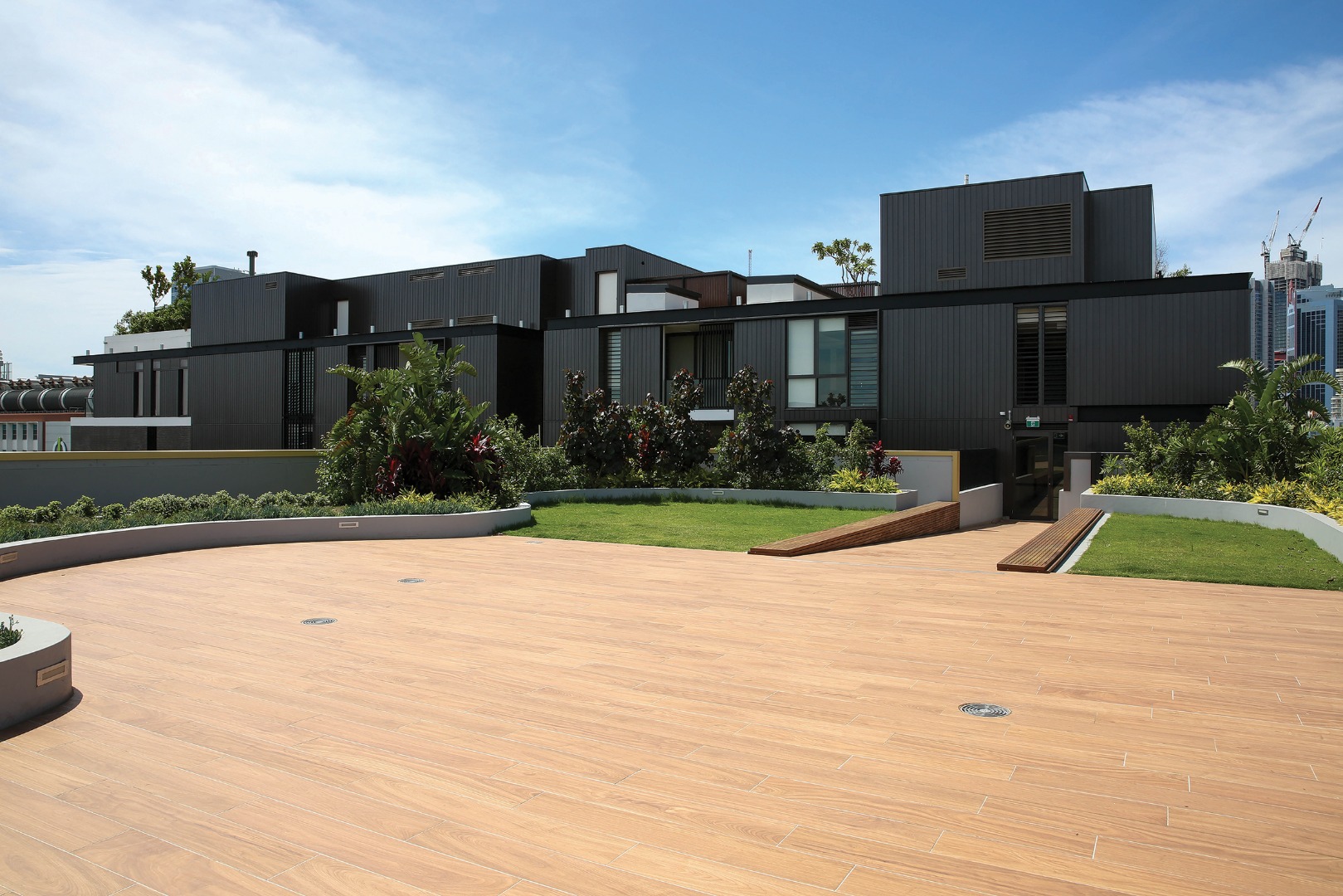
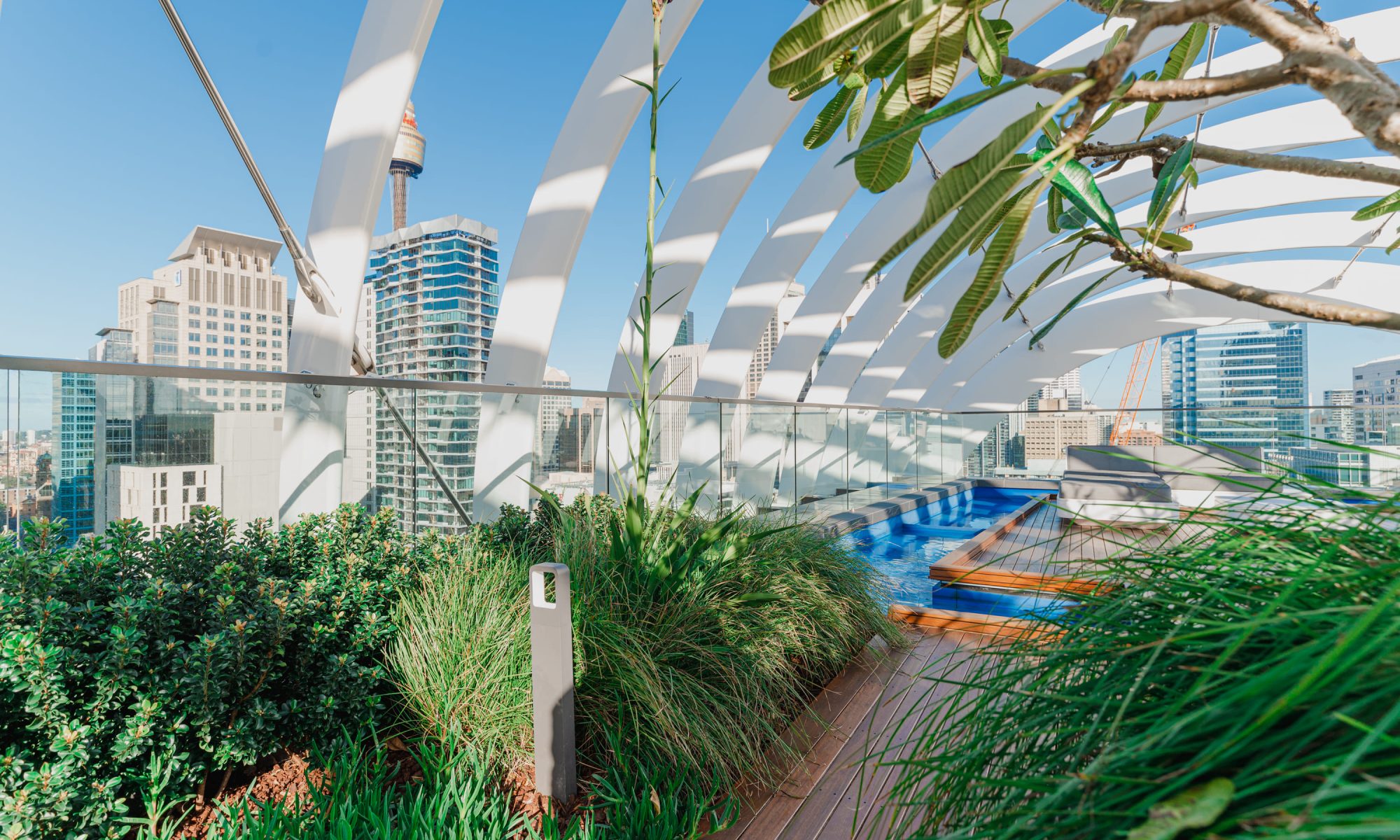
What is the difference between landscaping and garden design?

You’ve got a garden that is looking less than interesting and after being inspired by the home and garden makeover shows on TV, you’re thinking how hard can it be? But you soon realise you need some professional guidance, so who do you call, a garden designer or a landscaper? The truth is you probably need both.

Imagine stepping into a beautifully landscaped garden that feels like an extension of your home. Whether you envision a vibrant flower garden, a serene retreat, or a functional outdoor space, a professional garden designer can turn your dream into reality.

What is landscaping?
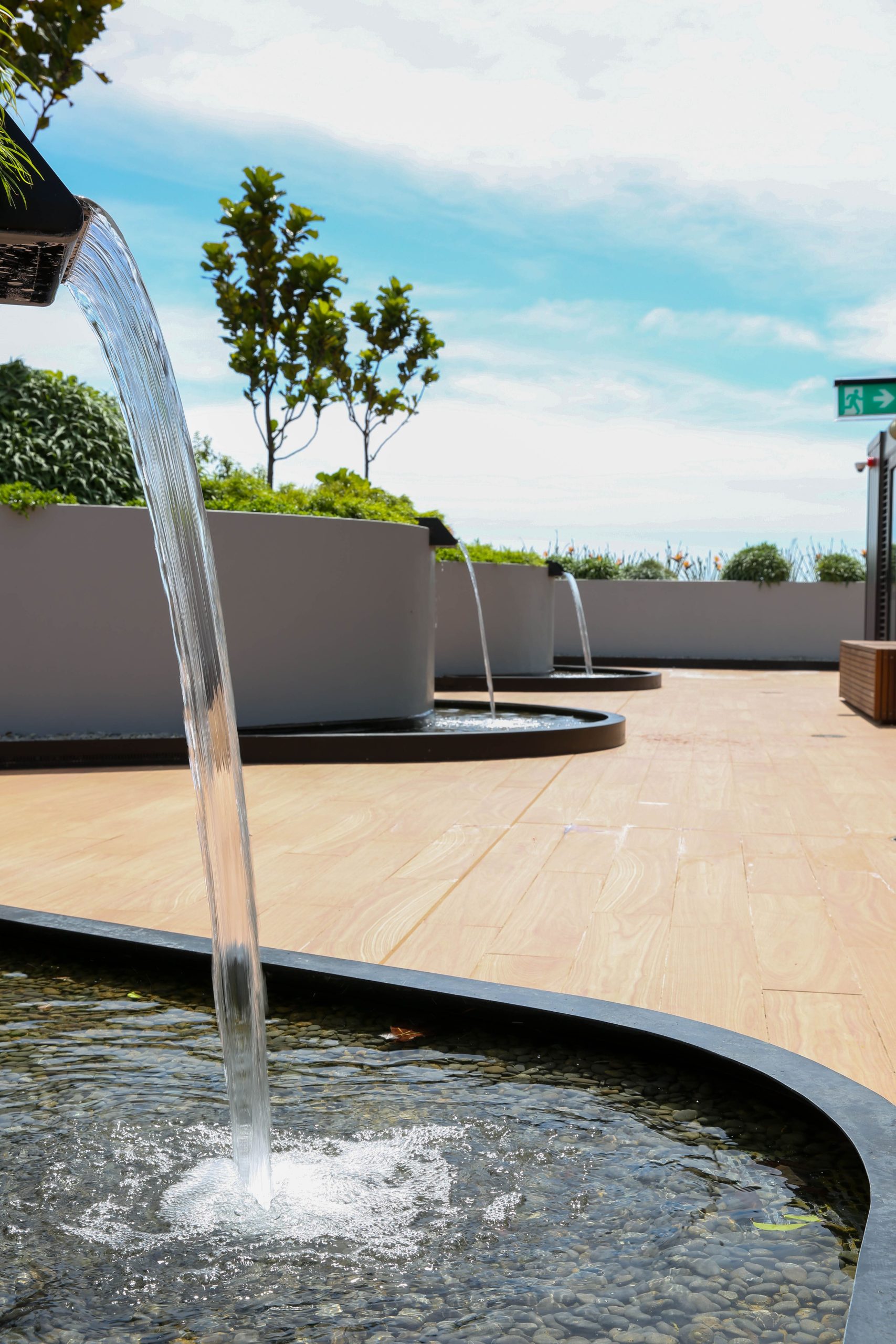
Landscaping

Landscaping is the art and science of shaping land to improve how an outdoor space looks and works. It involves planning, planting, and caring for outdoor areas through both plant elements and built features. The process includes garden design, soil preparation, planting, and basic outdoor structures.

This broad category covers two primary elements: softscape elements and hardscape elements.

Because landscaping is such a wide field, it often includes both installation and long-term maintenance. The goal is to create outdoor spaces that are visually appealing, environmentally balanced, and functional for everyday use.

What is garden design?

Garden design is the phase where the underlying framework of your garden is worked out. It focuses on layout, proportion, circulation, hierarchy, and function; the same fundamentals used in architecture and interior design, applied outdoors.

Most professional garden designers have some training in horticulture and the principles of design. Some are also landscape architects, a more formal level of training that usually requires an advanced degree and often a state licence.

Key differences between landscaping and garden design

Understanding the difference between garden design and landscape design can help you make the best choice for your outdoor project. Whether you’re looking to enhance a specific garden area or redesign your entire outdoor space, knowing what each discipline offers ensures you get the results you want.

A garden focuses primarily on plants: flowers, shrubs, trees, and other vegetation that add life, colour, and texture to your space. It’s about cultivating living things and caring for them over time. Gardening involves regular maintenance, watering, pruning, and soil management to keep everything thriving.

Landscaping, on the other hand, is a broader concept. It combines both softscaping (plants, grass, soil, and mulch) and hardscaping (paving, retaining walls, decks, pergolas, and pathways). Landscaping is about designing an entire outdoor environment that complements your home’s architecture, improves functionality, and adds long-term value to your property.

  • Scope and Focus
    • garden design: focuses on plant arrangements and garden aesthetics.
    • landscape design: encompasses the entire outdoor environment, including both hardscaping and softscaping.
  • Design Elements
    • garden design: primarily concerned with plants and garden features.
    • landscape design: includes a wider range of elements such as hardscaping, outdoor structures, and site analysis.
  • Professional Expertise
    • garden design: specialists in creating beautiful and functional garden spaces.
    • landscape design: professionals who plan and execute comprehensive outdoor designs, integrating multiple elements.

 Cost differences between landscaping and garden design

Landscaping costs can be influenced by several key factors:

  • Scope of work: the more extensive the landscaping project, the higher the costs. This can include everything from grading land to installing patios and retaining walls.
  • Materials used: high-quality materials such as stone or custom fixtures will increase costs. Choosing native plants versus exotic plants can also affect pricing.
  • Labour costs: these can vary widely based on local labour rates and the expertise required for certain tasks. Landscaping costs typically range from $2,000 to $10,000 for larger projects. For simpler installations, smaller landscaping jobs may be as low as $500.

When calculating the costs associated with garden design, several factors come into play:

  • Designer’s experience: more experienced designers typically charge higher fees due to their skill sets and portfolios.
  • Design complexity: a simple garden design will cost less than a complex layout that requires detailed planning and unique elements.
  • Location: depending on where you live, design costs can vary widely. Urban areas often have higher pricing due to demand.
  • Labour costs: on average, garden design services can range from $50 to $150 per hour, and complete design services can range from $1,500 to $5,000 based on the complexity and size of your garden.

Which comes first: garden design or landscaping?

Garden design must always come before landscaping. Design involves creating the plan, layout, and vision for the space, while landscaping is the physical act of building and installing that design. A finalised, professional design prevents costly mistakes and ensures the construction phase (landscaping) runs efficiently.

  1. Garden design (planning): involves analysing the site, mapping drainage/sunlight, determining the layout (paths, patios), and selecting plants.
  2. Landscaping (building): involves transforming the design into reality, including excavation, laying hardscapes, installing lighting, and planting.

While gardeners and landscapers share a love for the outdoors, their roles are quite different.

A gardener tends to focus on maintenance and plant care. They’re responsible for mowing lawns, trimming hedges, weeding, fertilising, and keeping plants healthy throughout the year. A gardener ensures your outdoor space looks neat and vibrant.

A landscaper, on the other hand, is a designer and builder. They’re involved in transforming outdoor spaces through creative design and construction. Landscapers might build retaining walls, install drainage systems, lay paving, construct decks, or design planting layouts.

Landscapers create outdoor environments. Gardeners maintain those environments once they’re built.

Services included in landscaping

The good news is that an experienced landscaping team can handle any landscaping requirements of any size, from start to finish, whether you’ve bought a new home and need design ideas to create your dream garden or simply want an area of artificial grass for kids to play on. Landscape designers aim to create cohesive and functional outdoor environments that blend with the home’s architecture and the surrounding natural landscape.

  1. Complete garden design
  2. Makeover projects to seasonal maintenance
  3. Hard landscaping jobs such as constructing a new patio or deck
  4. Offering professional advice about achieving the aesthetic a homeowner wants
  5. Integration: ensuring that various elements of the design work harmoniously together
  6. Sustainability: incorporating eco-friendly practices and materials
  7. Usability: creating spaces that meet the specific needs and preferences of the homeowners

Services included in garden design

Garden design services encompass a wide range of activities aimed at transforming your outdoor space. The primary aim of garden design is to create visually appealing and enjoyable spaces. Garden designers emphasize:

  1. Design proposals: creation of detailed design plans and visualisations, such as sketches, 3D models, and planting plans.
  2. Planting plans: specific recommendations for plants, including their placement & quantities.
  3. Construction drawings: technical drawings for implementing hardscaping elements like patios, pathways, walls, and water features.
  4. Project management: overseeing the entire project, coordinating with contractors, and ensuring the design is implemented correctly and on time.
  5. Aesthetics: creating visually pleasing arrangements of plants and flowers.
  6. Functionality: ensuring the garden serves its intended purpose, whether it’s for relaxation, entertaining, or growing food.
  7. Maintenance: selecting plants and layouts that are easy to care for and suited to the garden’s environment.

How landscaping and garden design work together

The level of interaction is usually determined by the client with agreement from the designer and hard landscaper. The essential ingredient in all relationships, whether personal or work is communication. This is absolutely the same with a garden designer and a hard landscaper.

The key is making sure the designer communicates effectively with the hard landscaper what the designer and the client want. The designer needs to agree with the hard landscaper what is required to carry out the work and the landscaper needs to tell the designer what they need in order to carry out the build effectively.

Changes may come up during the build without anyone knowing, so it’s very important that the hard landscaper keeps them in the loop. Something as small as the depth or number of steps can change the feeling of a garden.

Common misconceptions about landscaping

  1. Trees are a beautiful addition to any yard. Trees can have a cooling effect similar to about 10 room air conditioners operating 20 hours a day. Trees are often used to create shade and cool down an area.
  2. When grass is cut short, it will actually grow faster. Sometimes a nice little trim is a better way to mow your lawn so that you can tend to it less frequently without it looking out of control.
  3. Morning is the best time to water your lawn because nighttime watering increases the chance of mold and mildew from sitting on your lawn and encouraging fungi to form.
  4. Springtime naturally may seem like the opportune time to get planting. Fall is more effective for planting. Many saplings and seedlings thrive in the mild temperatures usually present in the fall.
  5. A tree stump might be causing more issues than you realise. Tree stumps tend to spur new trees to grow. It’s very common for new trees to emerge off an existing tree stump.
  6. A good landscaper can make the yard of your dreams. Your landscaper will give you instructions on the best care for your grass, shrubs, and trees to keep it in good shape for years to come.
  7. An inexperienced landscaper can cause unnecessary problems, such as planting trees too close to your home. Trees close to the house could also damage your roof, which would be an unnecessary and frustrating expense to pay for.

Common misconceptions about garden design

  1. Planning November through February is the smart choice to allow plenty of lead time and beat the rush that sometimes delays springtime projects. Completing the design process over the summer off-season also sets up gardens for fall-planting.
  2. Design is a collaborative process. A welcome and crucial part of the process, client input ensures ideas, likes, and lifestyle are considered before and during the evolution of the design. Being equipped with a well-thought-out design allows homeowners to have more control of their projects in the long run.
  3. A well-thought-out, to-scale garden design is a practical tool, an organisational road map, and a must for estimating materials and costs. A good design organises our outdoor spaces.
  4. Symmetry is just one of several design principles utilised by good garden makers to create an outdoor space that is both harmonious and cohesive. Achieving balance, order and harmony does not in fact require mirroring every element in the landscape in a “matchy-matchy” way.
  5. Large, small, and in between, DIY projects of any size can benefit from design by a qualified professional. Outdoor spaces of all sizes need a cohesive master plan to save time, money, and make the most out of every square foot.

Examples of landscaping vs garden design projects
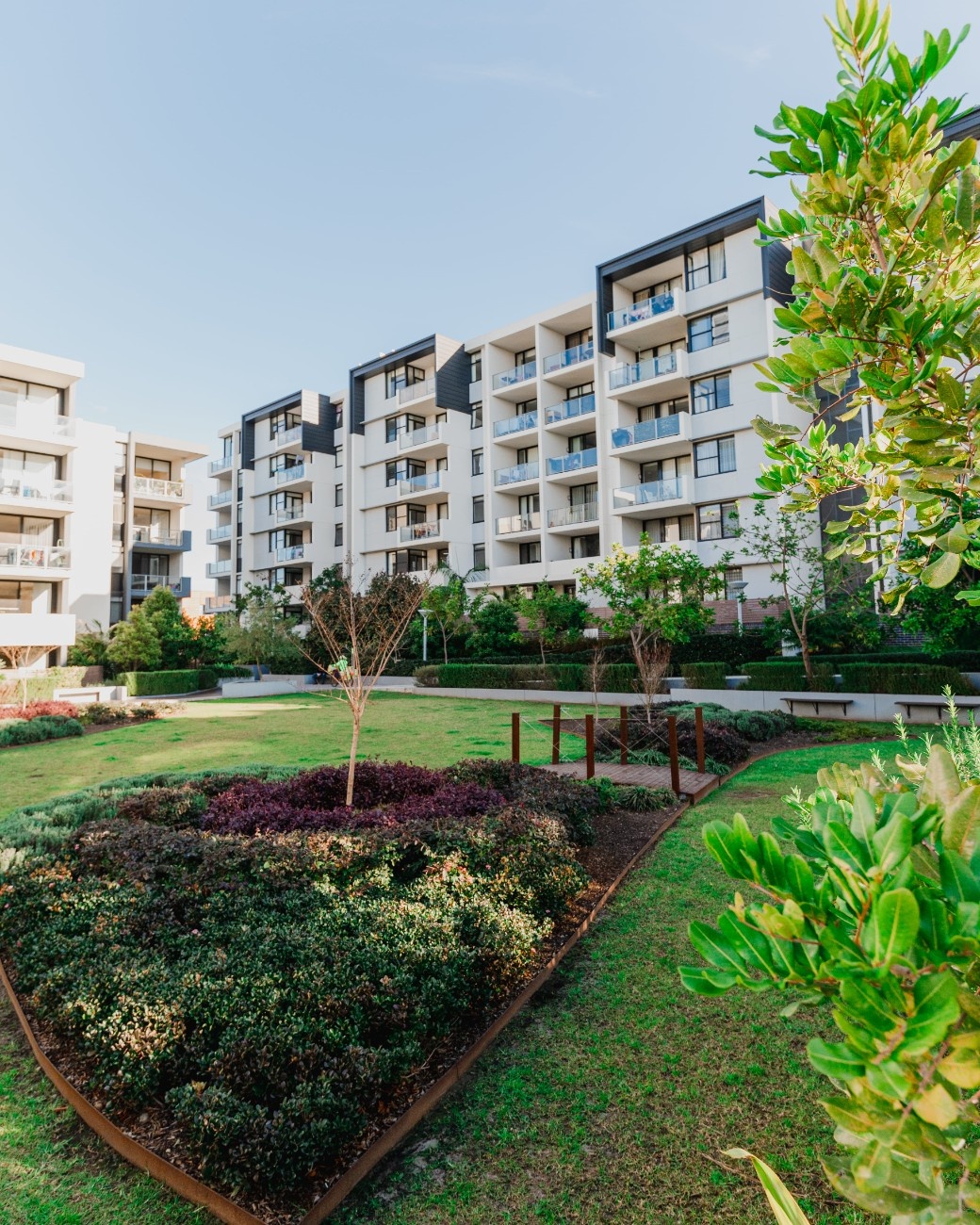
garden design

Examples of landscape design:

  • Modern landscapes: clean lines and minimalist design with a focus on hardscaping and functional outdoor spaces.
  • Naturalistic landscapes: designs that blend with the natural environment, using native plants and natural materials.

Examples of garden design:

  • Cottage gardens: informal, colourful gardens filled with a mix of flowers and herbs.
  • Formal Gardens: structured designs with symmetrical layouts and geometric patterns.

Understanding the difference between a garden and landscaping helps you make informed decisions about how to transform your property. Gardens are about plants and care. Landscaping is about design, construction, and creating an overall experience.

Both play vital roles in shaping beautiful outdoor spaces, but professional landscaping in Sydney gives you the foundation for something lasting and a design that grows with your home and your lifestyle.

So, whether you’re looking to refresh your front yard, add a new outdoor living area, or completely reimagine your property, our team is ready to assist you, contact us now.
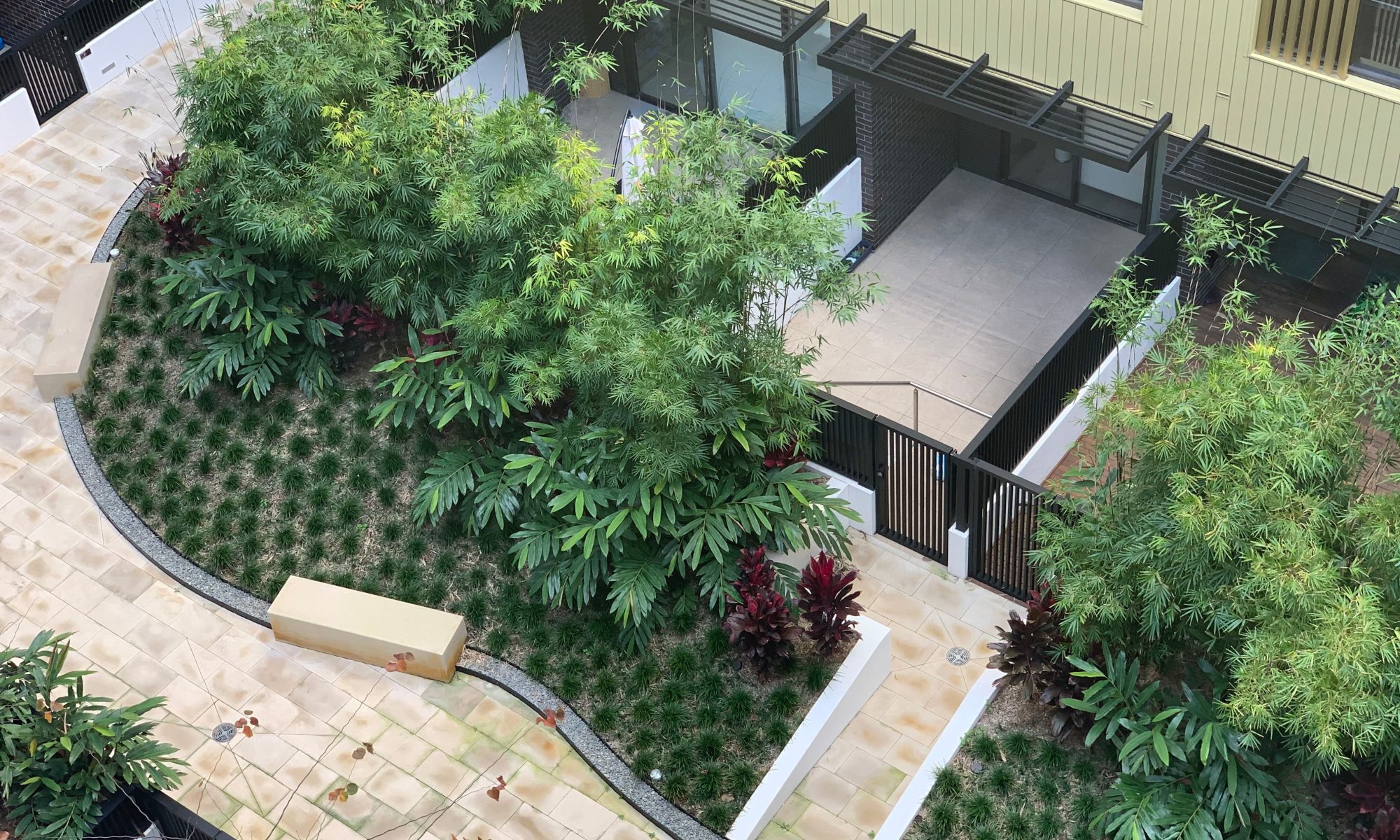
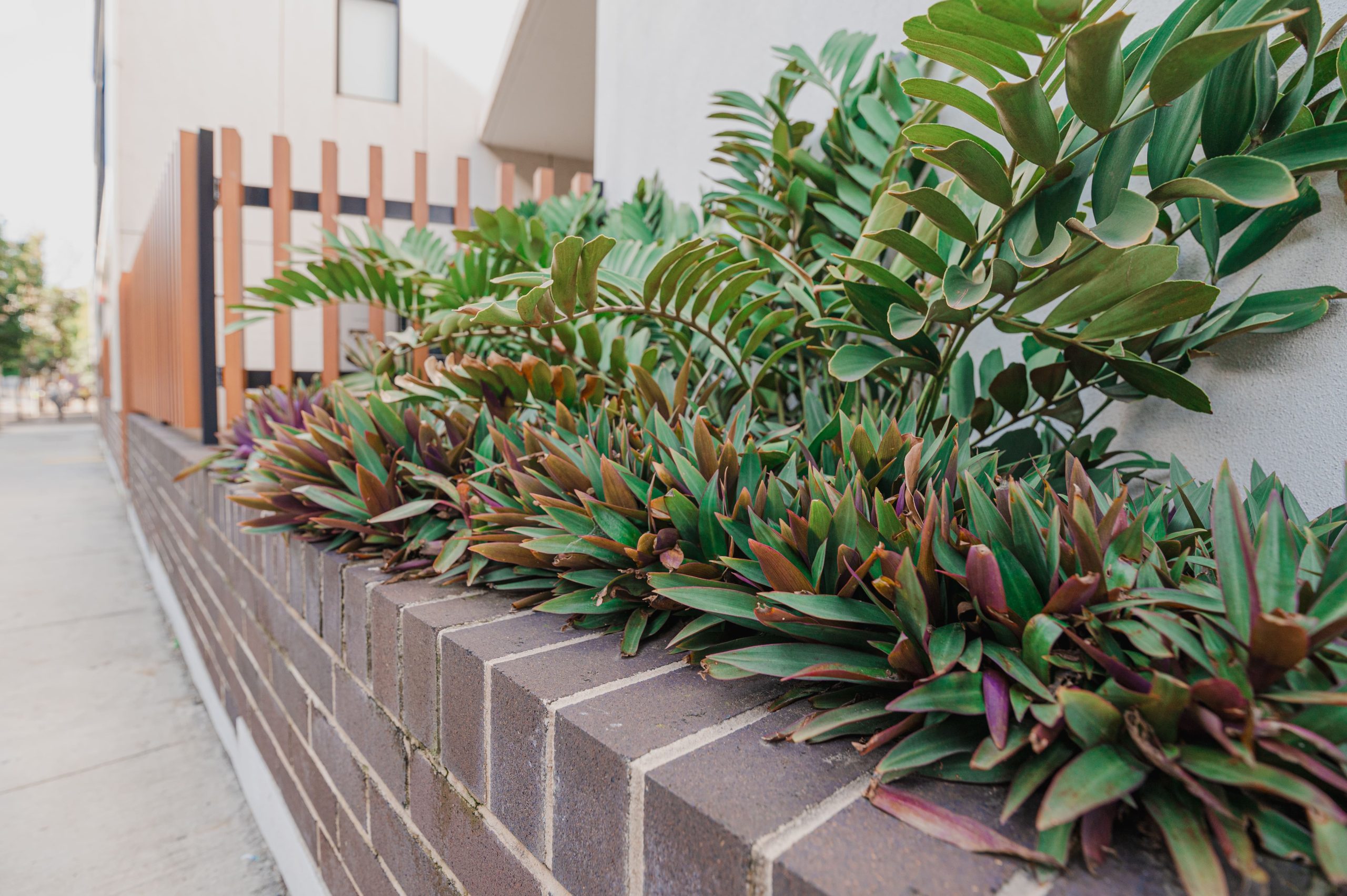
Top Native Plants for Landscaping in Sydney Gardens

landscaping in Sydney

Sydney sits on two distinct geological worlds, which play a crucial role in landscaping in Sydney. The sandstone ridges, headlands, and plateaus produce shallow, extremely acidic, nutrient-poor soils that support one of the most botanically distinctive floras in the world. In contrast, other areas offer more fertile conditions and support an equally distinct plant community. Unfortunately, less than 10% of this original landscape remains and is now critically endangered.

Sydney’s two dominant soil types behave very differently, supporting almost entirely separate plant communities. When planning landscaping in Sydney, understanding which soil type your garden sits on is one of the most valuable pieces of information before selecting suitable plants.

native plants in landscaping

Benefits of using native plants in landscaping 

  1. Low maintenance requirements: native plants have evolved to thrive in their specific environments, meaning they are more resistant to local pests and diseases. They are also drought-tolerant and can survive on minimal rainfall. They require less pruning and fertilising than non-native species.
  2. Biodiversity enhancement: native plants provide food and habitat for a variety of wildlife, including birds, butterflies, and beneficial insects. This support helps maintain a balanced ecosystem. Many native plants are specifically adapted to attract local pollinators. By planting these species, you can create a haven for bees, butterflies, and other pollinators, which are crucial for food production and ecosystem health. Using native plants can help restore degraded habitats.
  3. Environmental sustainability: native plants contribute to soil health through their extensive root systems, which help prevent erosion and improve water infiltration. This, in turn, supports a healthy ecosystem beneath the surface. Because native plants are more resistant to local pests and diseases, the need for chemical fertilisers and pesticides diminishes. They play a role in carbon sequestration, helping to mitigate climate change. By absorbing carbon dioxide, they contribute to cleaner air and a healthier atmosphere.
  4. Aesthetic appeal: native plants often possess a unique beauty that reflects the local environment. Their natural forms, colours, and textures can enhance the visual interest of your landscape. Many native plants offer seasonal changes, providing colour and interest throughout the year. From spring blooms to vibrant autumn foliage, native plants can create a dynamic and visually appealing landscape.
  5. Cost-effectiveness: native plants require less water, reducing your irrigation costs. This is especially beneficial in arid regions where water conservation is critical. With their low maintenance needs, native plants can lower labour costs associated with landscaping care. Less frequent pruning, fertilising, and pest control mean more savings for homeowners. Less frequent replacement and lower long-term costs.
  6. Cultural and historical significance: many indigenous cultures have relied on native plants for food, medicine, and materials. By incorporating these plants into landscaping, you can honour and preserve this cultural heritage. Landscaping with native plants can serve as an educational tool. It provides an opportunity to teach others about the importance of local flora and the role it plays in the ecosystem.
  7. Resistance to invasive species: native plants are often better equipped to compete with invasive species, helping to maintain the health of local ecosystems. By using native plants, you can support the resilience of your landscape. Incorporating native plants can help minimise the spread of invasive species, contributing to the overall health and stability of the ecosystem.
  8. Ecosystem services: The root systems of native plants help filter pollutants from stormwater runoff, improving water quality in nearby streams and rivers. Native plants can help moderate temperatures in urban areas, reducing the heat island effect and improving overall climate conditions. By releasing oxygen, native plants contribute to cleaner air and improved public health.
  9. Personal satisfaction and connection to nature: Using native plants can enhance your sense of place, creating a landscape that feels rooted in its environment. Caring for native plants can be a rewarding experience. Watching them thrive in their natural habitat can provide a sense of fulfillment and joy. 

Key factors to consider before choosing native plants

  • Increase biodiversity and give wildlife a source for food, cover and nesting.
  • Choose deciduous and evergreen trees so that birds and other wildlife will be able to find shelter.
  • Plant trees and large shrubs where they will block winter winds from the house and shade it in summer.
  • Try your best to buy plants that were grown locally.
  • Think about the height and width of the plant you choose.
  • Make sure it will fit the space you have for it when it’s reached maturity.
  • Plant nectar plants in groups, to attract butterflies and other beneficial insects more easily. 

Best Native Flowering Plants for Sydney Gardens 

Sydney’s climate (warm summers, mild winters, coastal influence) is ideal for a wide range of Australian native flowering plants especially those adapted to sandy soils, drought, and full sun. The key is choosing plants that are hardy, low-maintenance, and wildlife-friendly.

  1. Waratah (Telopea speciosissima)
  2. Banksia (Banksia spp.)
  3. Grevillea (Grevillea spp., e.g. ‘Robyn Gordon’)
  4. Kangaroo Paw (Anigozanthos spp.)
  5. Brachyscome (Native Daisy)
  6. Isotoma axillaris (Rock Isotome)
  7. Scaevola (Fan Flower)
  8. Hardenbergia violacea (Native Wisteria)
  9. Bottlebrush (Callistemon spp.)
  10. Correa (Native Fuchsia)
  11. Westringia (Coastal Rosemary)
  12. Acacia (Wattle)

Top Native Shrubs for Landscaping

  1. Lemon myrtle: gets its name from its strong citrus aroma. If you crush the leaves, they release a fresh lemon scent. Pollinators are drawn to lemon myrtle when it flowers in summer, adding both fragrance and function to the garden.
  2. Tea tree (Leptospermum): is highly adaptable and suits a range of garden sizes and conditions. As one of the earlier native plants to bloom, it produces delicate white or pink flowers that attract pollinators when little else is in flower.
  3. Midyim berry: offers both beauty and function in the landscape. This native shrub produces small white berries with purple speckles, attracting birds while also being edible. It’s a great option for those looking to support pollinators and wildlife.
  4. Beauty bush: has a distinctive purple colour. True to its name, it produces clusters of vibrant berries along its stems, adding a strong visual element to the garden while attracting birds in late summer and autumn.
  5. Native daphne (Pittosporum): produces small, often fragrant flowers that attract insects and pollinators. In autumn, it offers subtle seasonal interest through its seed pods, while its dense foliage makes it ideal for structured planting or hedging.

How to design a garden using native plants

  • Step 1: mark the locations of significant features of the area making sure to mark where utility lines run through the area. Mark the locations of existing trees, water sources, and hardscape features, such as patios, pathways, and fences. Note any planned additions, such as water sources and hardscape features that will require plumbing or electrical work.
  • Step 2: observe and note the growing conditions of the area. You may already know the growing conditions for the area you plan to start with. If not, observe the area several times each day over time (ideally over a year if time permits). Record the sun and shade patterns.
  • Step 3: define the shape and perimeter. A simple outline of the area you are starting with is sufficient. You may wish to draw a detailed plan, or it can be a rough plan that you later refine directly in your yard using a hose, rope, or sprinkled flour or sand for marking.
  • Step 4: mark the spots for keystone trees and shrubs. If you are including a tree, place it first; then, place shrubs. Consider the mature circumference of trees (and shrubs). Allow sufficient area for the landscape bed to expand to accommodate caterpillar pupation sites beneath a fully mature tree.
  • Step 5: mark the spots for keystone herbaceous plants, pollinator plants, and native grasses. Place multiples of the same species to make the plants more attractive to insects (and people). Intermingle plants where two species meet. When deciding which herbaceous plants to place around trees and shrubs, choose plants that meet the current site conditions.
  • Step 6: mark the spots for several logs or large stones, additional water features, and bare ground for native bees. Logs and large stones will serve as pupation sites and hiding places for all kinds of small creatures. Determine the placement for additional water sources, such as elevated and ground-level birdbaths.
  • Step 7: mark the spots for low-growing ground layer plants. Fill in gaps with low-growing plants. Place sun adapted, low-growing plants in gaps or open areas. Under any existing large shrubs and trees, tuck in shade-tolerant plants, such as low-growing sedges, mosses, and native creeping plants, to establish a matrix of ground layer plants.

Tips for maintaining native plants

  1. Learn what the native seedlings look like so you don’t unwittingly weed them out.
  2. Leave dried seed heads on the plants during fall and winter. The birds will eat them, and the seed will disperse and replenish your garden.
  3. Let leaf litter lay. It enriches the soil, provides habitat for overwintering insects, and encourages beneficial fungi and mycorrhiza.
  4. Trim back perennials and gently rake out excess leaf litter in spring. If you see delicate seedlings popping their heads up, consider returning the blanket to these tender seedlings as they gradually end their long winter nap.
  5. Do not use a pre-emergent herbicide to keep weeds at bay, it will keep your native plants from spreading by seed.
  6. Pull weeds as soon as you recognise them. Once it blooms, you’ll know.  Yank weeds before they set seed.

benefits of native plants in landscaping

The benefits of native plants in landscaping are vast and multifaceted. From low maintenance requirements to ecological sustainability, aesthetic appeal, and cost-effectiveness, they also help increase property value by enhancing the overall look and long-term appeal of outdoor spaces. Incorporating native species into your landscape design is a wise choice for both the environment and your enjoyment.

As we move towards more sustainable practices in landscaping, native plants offer a powerful solution that not only beautifies our spaces but also nurtures the ecosystems that support us. Whether you are a seasoned landscaper or a novice gardener, consider the advantages of native plants for your next landscaping project.

By choosing to incorporate these species, you can create a vibrant, sustainable landscape that benefits both you and the environment for years to come. Deep, infrequent watering through the first two summers is more important than almost any other establishment practice. Sydney’s summer dry periods are long and unforgiving, particularly on the shallow sandstone soils where surface moisture disappears within days.

The result is a garden anchored to a place shaped by the same geology that shaped the harbour, the headlands and the bushland corridors that run through the city. A garden that looks like it belongs here, supports the birds and insects that belong here, and grows more self-sufficient with each year it settles into the sandstone and shale beneath it. If you need help or advice with choosing some native plants for your garden, our team is ready to assist you, contact us now.
Sustainable & Eco-Friendly Landscaping Practices in Sydney

landscaping practices

Civil and Scape specialises in several landscaping practices across Sydney. As many other landscaping firms, sustainability has been one of the main initiatives that are being implemented. Sustainable and eco-friendly landscaping practices are helping homeowners transform their outdoor spaces into thriving, sustainable ecosystems.

Whether you want to grow your own food, create a low-maintenance landscape or enhance your property with natural, durable materials, Civil and Scape provides unique solutions that are both natural and practical.

Homeowners in Northern Beaches Sydney who wish to reduce their environmental impact often seek to create environmentally-friendly gardens that consider ecological sustainability and responsible resource use.

By integrating sustainable landscaping methods, water-saving practices, and biodiversity-enhancing features, one can create a beautiful, eco-conscious garden that contributes positively to the local environment and surrounding ecosystems. Such gardens not only protect our planet but also create a sense of connection with nature and create a sense of pride in preserving the environment.

Eco-Friendly Landscaping Practices

Sustainable landscaping methods

Adopting sustainable landscaping methods is the first step in creating an environmentally-friendly garden.

  1. Use locally-sourced materials: it is important to go for locally-sourced materials such as native plants, timber, and stone for your landscaping projects to reduce the environmental impact of transportation. These materials blend smoothly with the local natural environment, enhancing the overall aesthetic of your garden.
  2. Limit the use of chemical fertilisers and pesticides: excessive use of synthetic fertilisers and pesticides is not only harmful to the environment but can also lead to the degradation of the natural ecosystem. Instead, choose organic alternatives or natural pest control methods to maintain a safe and eco-friendly garden.
  3. Adopt soil conservation techniques: implement soil conservation techniques such as mulching, composting, and natural erosion prevention methods to maintain healthy garden soil and minimise nutrient loss.
  4. Water conservation practices: water is a precious resource, particularly in the dry Australian climate. Implementing water-saving practices is very important in developing an environmentally-friendly garden. Consider an installation to reduce water consumption in your outdoor space:

    – Install drip irrigation systems: delivers water directly to the root zone of plants, minimising water loss due to evaporation and runoff.

  5. Plant drought-tolerant species: choose native or drought-tolerant plants for your garden that require minimal water and are more resilient to the harsh Australian climate, reducing your garden’s overall water consumption.
  6. Capture rainwater: install rainwater collection systems such as rain barrels or tanks to store water for use in your garden during dry periods, saving water and reducing your environmental footprint.
  7. Enhance local biodiversity: design a garden that supports and encourages local biodiversity in order to enhance the development of a thriving, eco-conscious outdoor space.

    Create wildlife habitats: include natural habitats such as birdhouses, insect hotels, and native bee nests. Provide a fresh water source for birds, insects, and other animals to drink and bathe.
    – Plant native flora: native plants not only require less maintenance and water but also provide natural habitats and food sources for native fauna. Incorporating native species in your garden design enhances biodiversity and contributes to the local ecosystem.

  8. Maintain garden borders: preserve natural garden borders, such as hedges and shrubs, offering shelter and habitat for local wildlife. Avoid excessive pruning and let some areas of your garden grow wild, encouraging the presence of indigenous insects and animals.
  9. Adopt organic gardening techniques: implement organic gardening techniques for maintaining a healthy and eco-conscious garden.

    – Use organic fertilisers:
    go for compost and well-rotted manure, to provide nutrients for your plants without polluting the environment.
    – Practise natural pest control: utilise organic, chemical-free pest control methods, such as companion planting, biological control agents, and traps, to manage damaging pests and diseases in your garden.
  10. Rotate planting and crops: change the place of plants and crops in your garden to prevent the build-up of pests and diseases, maintain soil health, and improve plant growth.

By implementing sustainable landscaping methods, water conservation practices, biodiversity-enhancing features, and organic gardening techniques, Civil and Scape can create a beautiful and environmentally-friendly garden for you. An eco-conscious garden not only benefits the local environment, but also positively influences the broader ecosystem, ensuring that your efforts leave a lasting and sustainable impact.

By designing outdoor areas that are not only aesthetically pleasing but also functional, durable, and adaptable over time, sustainable landscaping also provides long-term value. Well-designed gardens and hardscaping minimise water and resource consumption, lessen the need for ongoing maintenance, and shield outdoor spaces from weather-related wear and erosion.

sustainable landscaping methods

Civil and Scape produces outdoor spaces that promote biodiversity, self-sufficiency, and meet the demands of contemporary living by fusing technical landscaping knowledge with sustainable materials and regenerative gardening techniques. The outcome is a well-balanced environment that boosts local ecosystems, increases property value, and demonstrates a sincere dedication to sustainable design throughout Sydney.

The team will provide you with exceptional gardening services focused on creating chemical-free, biodiversity-friendly landscapes through sustainable garden and food forest planting, smart water-efficient irrigation systems, and full garden cleanups with soil improvement.

With a strong commitment to sustainability, the usage of organic mulches, compost/soil additives and regenerative gardening techniques are used to build healthy soil and enhance resilient plant growth.

Are you inspired to create an environmentally-friendly garden that aligns with your eco-conscious values? Our team of qualified experts can assist you in achieving your dream sustainable garden, providing attention to detail, quality, and customer satisfaction throughout Sydney. Contact us now to optimise your landscaping needs.

10 Landscaping Ideas Inspired by Sydney’s Natural Beauty

landscaping Sydney

Sydney is well known for its natural beauty. It has coastal cliffs, golden beaches, lush bushland, and sandstone hills.

With such a beautiful environment as inspiration, it’s no wonder that homeowners are making their outdoor spaces personal. They want these spaces to reflect the landscape around them. To improve your backyard or front garden in 2025, these ten amazing landscaping ideas can help. They will enhance the natural beauty of Sydney and include the latest design trends.

You can choose to completely change your backyard or just make small updates. These ideas work well with Sydney’s outdoor lifestyle, climate, and native plants. If you plan to hire a professional, you will find helpful tips for choosing the right landscaper in Sydney. They should understand the local environment and help make your vision a reality.

  • Native plant gardens

Sydney is surrounded by incredible biodiversity, especially in its native bushland. A popular trend in landscaping Sydney homes is using native plants. Examples include grevillea, kangaroo paw, banksia, and waratah.

These plants help create low-maintenance, water-wise gardens. They also attract birds, bees, and butterflies.

By copying the Sydney landscape, you save water and maintenance costs. You also create a garden that feels truly local. Consider layering textures and heights, with small shrubs near paths and taller trees at the back to provide shade.

Pro tip: Choose a landscaper Sydney-based with experience in native landscaping and an understanding of local soil types.

  • Coastal-inspired landscaping

From Bondi to Manly, Sydney’s coastlines are iconic. For homeowners near the shore—or anyone wanting a breezy, coastal vibe—coastal landscaping is a fantastic approach. Imagine white pebbles, driftwood, sandy paths, and grasses like Lomandra or Coastal Rosemary. Picture a soft blue and beige colour scheme.

To soften the look, think about adding gentle curves to your garden beds. You can also use recycled timber that shows the weathered textures of Sydney’s coastal buildings.

Why it works: This aesthetic blends beautifully with many styles of Sydney homes, from beachside cottages to contemporary builds.

  • Vertical gardens for urban living

Not every Sydney homeowner has a sprawling yard. For people living in apartments or small city areas, vertical gardens are useful. This is especially true for places like Surry Hills or Newtown. These green walls bring lushness to small spaces, improve air quality, and offer insulation benefits.

Pick climbing plants such as jasmine, star creeper, or local vines. Use vertical planters made of metal, wood, or recycled pallets. A landscaper in Sydney can help you make the most of small spaces. They use smart irrigation systems and choose the right plants.

  • Sandstone hardscaping

Sydney is built on sandstone, so why not reflect that in your outdoor design? Using local sandstone for garden edges, walls, steps, or patios connects your home to nature.

Sandstone is durable, attractive, and weathers beautifully over time. It adds a warm, earthy tone that complements both native and exotic plantings. Combined with native flora, sandstone elements can turn any garden into a tranquil bushland retreat.

Trend tip for 2025: Mix large sandstone slabs with drought-resistant grasses and succulents for a clean, contemporary look.

  • Sustainable landscaping: rain gardens and permeable paths

Eco-friendliness is no longer just a trend—it’s a necessity. In Sydney, flash flooding and water restrictions are common. Rain gardens and permeable paving are making a significant impact.

Rain gardens are shallow, planted depressions that capture and filter stormwater runoff, helping prevent erosion and improving water quality. You can plant these with hardy natives and ornamental grasses. Combine them with permeable paving made from gravel, porous concrete, or spaced pavers with grass in between.

A qualified landscaper Sydney professionals are now incorporating water-sensitive urban design (WSUD) principles into everyday backyard designs—especially in new developments.

  • Bushfire-resistant garden design

For homes near the edges of Sydney, like the Blue Mountains or Northern Beaches, bushfire resistance is crucial. Bushfire-smart landscaping means keeping plants away from the house. Use non-flammable mulch, like gravel. Plant low-oil native species, such as bottlebrush or lemon myrtle.

Stone walls, tiled paths, and deciduous trees (which shed leaves in summer) can also add protection. A good landscaper in Sydney knows the BAL (Bushfire Attack Level) rules. They can help create a space that is both beautiful and safe.

  • Outdoor rooms: extend your living space

With Sydney’s mild climate, the outdoor lifestyle is practically a year-round affair. That’s why “outdoor rooms” are trending—especially in 2025 as more homeowners invest in lifestyle upgrades.

Outdoor rooms include pergolas, fire pits, kitchens, and even lounges with weatherproof furniture. These spaces use layered lighting, like string lights or uplighting. They also have potted plants and strong decking materials, such as spotted gum or composite boards.

To easily integrate your indoor and outdoor spaces, match the tones and textures of your home’s interior. A landscaper Sydney with design experience can help plan layout, orientation, and materials for functionality and flow.

  • Edible landscaping: beauty and function

What if your landscaping could be as delicious as it is beautiful? Edible gardens are booming in popularity across Sydney, blending aesthetics with functionality. In 2025, it’s all about mixing herbs, vegetables, and fruit trees into ornamental beds.

Think rosemary hedges, lavender borders, dwarf citrus trees in pots, and raised veggie beds bordered by flowers. Edible landscaping promotes biodiversity, supports healthy living, and can reduce your grocery bill.

Families especially popularise this in their homes, where kids can actively participate in growing food. A skilled landscaper in Sydney can help place your garden for the best sunlight. They can also ensure proper drainage for your plants.

  • Zen gardens and wellness landscaping

Post-pandemic living has heightened the demand for tranquil outdoor spaces. Zen-inspired gardens are perfect for promoting relaxation and mental wellbeing. They often include raked gravel, minimalist plantings, water features, bamboo screens, and stone lanterns.

In Sydney, blending this Japanese aesthetic with native materials creates a modern fusion. You can add an outdoor yoga deck or a meditation nook with smooth stones and soft grasses. Incorporating calming sounds—like a small fountain or wind chimes—enhances the sensory experience.

No matter if you have a small courtyard or a spacious backyard, a Sydney landscaper can help. They use a holistic design approach to create your peaceful haven.

  • Lighting that enhances landscapes after dark

A well-designed landscape doesn’t disappear at night. In fact, the right lighting can transform your outdoor area into a magical space after sunset. In 2025, energy-saving LED lights, solar lamps, and motion sensors lead landscape design in Sydney.

Pathway lights, uplighting for trees, and under-step lighting not only add ambience but also improve safety and usability. People prefer soft, warm colours over bright white lights. This choice helps to imitate natural moonlight. It also highlights the textures in sandstone, wood, and plants.

landscaper in Sydney

Work with a landscaper in Sydney who partners with lighting specialists to create a layered, elegant nighttime experience.

When landscaping Sydney homes, the best designs show the true spirit of Sydney. This includes its coastal breezes, sandstone cliffs, rich bushland, and relaxed lifestyle.

These ideas are just the beginning. With careful planning, you can create a great space. Use sustainable materials and get expert advice. This will help make your space beautiful, functional, and future-ready.

Changing your garden or making small upgrades is easier with a trusted landscaper in Sydney. They’ll understand local regulations, weather patterns, plant behaviour, and how to make your outdoor area thrive.

2025 is the year to connect with nature. Time to redesign your garden. Create a space that shows your lifestyle and Sydney’s stunning natural beauty. Contact us today and let our experts handle all your needs in Sydney. Whether it’s regular maintenance or a one-time service, we’ve got you covered.

14 Services Offered by Professional Landscapers in Sydney

Professional Landscapers in Sydney

Sydney has a lively city life, famous beaches, and many different neighbourhoods. Home to some of Australia’s most beautiful views. A professional landscaper in Sydney can transform any outdoor space into a masterpiece. This includes a rooftop garden in the CBD, a backyard in the Northern Beaches, or a large estate in the Hills District.

What do professional landscapers provide?

professional landscaper work

How do they improve the look and use of your space?

  • Landscape design and planning

Every breathtaking outdoor space begins with a vision. Professional landscapers in Sydney start by understanding your goals, lifestyle, and the unique features of your property. From there, they create detailed landscape designs tailored to your preferences and site conditions.

Key components of this service include:

  • Site analysing and assessing
  • Conceptual planning
  • 2D or 3D renderings
  • Plant selection and placement
  • Integration of hardscaping elements (paths, decks, patios)
  • Budget estimation

A good plan is the base for a successful landscape project. It makes sure that all parts—plants, structures, and utilities—work well together.

  • Hardscaping services

Hardscaping refers to the “non-living” elements of landscaping. From retaining walls to pergolas, these features add structure, function, and aesthetic value to outdoor areas.

Popular hardscaping services offered by Sydney landscapers:

  • Stone or brick retaining walls
  • Paved walkways and driveways
  • Timber or composite decking
  • Outdoor seating and fire pits
  • Pergolas and gasebos
  • Water features and fountains

In areas that are prone to erosion or have slopes, hardscaping offers important support. Both practical and attractive.

  • Softscaping and garden installation

Softscaping focuses on the living components of your landscape—trees, shrubs, flowers, and turf. What gives your garden colour, texture, and vibrancy?

Services under softscaping include:

  • Soil preparation and improvement
  • Planting of trees, hedges, flowers, and ground covers
  • Laying natural or synthetic turf
  • Seasonal flower bed installations
  • Vertical gardens and green walls

A skilled landscaper in Sydney knows about local plants, soil types, and the climate. This helps your garden grow well all year.

  • Irrigation systems and water management

In a city like Sydney, where water conservation is essential, having an efficient irrigation system is crucial. Landscapers provide smart irrigation solutions that minimise waste and keep plants healthy.

Irrigation services typically include:

  • Automated drip and sprinkler systems
  • Rainwater harvesting systems
  • Soil moisture sensors
  • Greywater reuse systems
  • Irrigation audits and repairs

Professional Sydney landscape experts design systems that balance eco-friendliness with practicality, reducing water bills and environmental impact.

  • Landscape lighting

Lighting can transform your outdoor space into a magical nighttime oasis. Beyond aesthetics, it enhances safety and security.

Common lighting installations include:

  • Pathway and garden lighting
  • Accent lighting for trees and sculptures
  • Deck and step lights
  • Water feature illumination
  • Motion-sensor security lights

Landscapers make lighting plans that show off the best parts of your yard. They use energy-efficient options like LED and solar lights.

  • Outdoor living area construction

Today’s landscapes are more than just gardens—they’re extensions of the home. Outdoor living spaces provide comfort and style for entertaining, relaxing, or dining al fresco.

Outdoor living services may include:

  • Outdoor kitchens and BBQ areas
  • Dining decks and patios
  • Fireplaces and fire pits
  • Swimming pools and spas
  • Custom seating and shade structures

A well-designed outdoor space adds significant lifestyle value and boosts your property’s market appeal.

  • Garden maintenance and seasonal care

Once your landscape is complete, it needs regular upkeep to stay healthy and beautiful. Many landscapers in Sydney offer ongoing maintenance packages.

Maintenance services may cover:

  • Lawn mowing and edging
  • Pruning and trimming
  • Fertilisation and mulching
  • Pest and disease control
  • Weed management
  • Seasonal cleanups

Regular maintenance ensures your investment remains in top condition throughout the seasons.

  • Sustainable and native landscaping

A growing trend in Sydney favours eco-friendly, low-maintenance gardens that support biodiversity. Landscapers increasingly incorporate native plants and sustainable practices into their designs.

Sustainable landscaping services include:

  • Native plant gardens
  • Wildlife-friendly designs (e.g., bee and butterfly gardens)
  • Composting systems
  • Drought-tolerant gardens
  • Green roofs and walls

These landscapes require less water and care while supporting the local ecosystem.

  • Pool landscaping

Pool areas require special attention to ensure safety, functionality, and harmony with the surrounding environment. A professional landscaper in Sydney can design a poolside paradise that complements your home’s style.

Pool landscaping services may include:

  • Slip-resistant paving
  • Pool fencing and compliance
  • Tropical or resort-style plantings
  • Poolside seating and shade
  • Integration with outdoor living areas

Expert pool landscaping transforms your backyard into a luxurious retreat.

  • Commercial landscaping

Beyond residential projects, many Sydney landscape companies also offer commercial services for businesses, public spaces, and institutions.

Commercial services include:

  • Office park landscaping
  • Strata and apartment complex maintenance
  • School and campus grounds
  • Public park development
  • Hotel and resort landscaping

Professional landscaping improves the look and value of commercial properties. It also creates welcoming spaces for clients, tenants, and visitors.

  • Vertical and rooftop landscaping

As cities grow denser, vertical gardens and rooftop landscaping are smart ways to add plants without using ground space.

Specialty services include:

  • Living walls and green facades
  • Rooftop garden installations
  • Balcony landscaping
  • Pot planting and irrigation for urban settings

These solutions not only beautify limited spaces but also help reduce heat and improve air quality.

  • Stormwater and drainage solutions

Sydney’s weather can be unpredictable, and managing stormwater is critical to prevent flooding and water damage. Landscapers ensure your property’s drainage is both effective and compliant with local council requirements.

Drainage solutions often include:

  • French drains and channel drains
  • Rain gardens and bioswales
  • Slope regrading
  • Permeable paving systems

An experienced landscaper in Sydney will create a drainage strategy that protects your property while supporting environmental sustainability.

  • Landscape renovation and restoration

If your garden feels outdated or overgrown, landscaping professionals can help you revitalise it with fresh designs and plantings.

Renovation services may include:

  • Full garden makeovers
  • Lawn replacement
  • Replanting and pruning
  • Updating hardscaping features
  • Rebuilding damaged retaining walls or pathways

Renovating your landscape can breathe new life into your property and increase its resale value.

  • Consultation and project management

Large landscaping projects often require expert oversight to stay on time and within budget. Many Sydney landscapers offer consultation and project management services.

These services include:

  • Site inspections and evaluations
  • Permitting and council approvals
  • Contractor coordination
  • Scheduling and milestone tracking
  • Quality control

With a dedicated project manager, you gain peace of mind and confidence that your vision will be executed smoothly.

Why choose a professional landscaper in Sydney? choose a professional landscaper

While DIY projects can be fun, a professionally designed and executed landscape offers lasting value. Here’s why working with an expert matters:

  • Local expertise: Professionals understand Sydney’s unique microclimates, soil types, and council regulations.
  • Quality assurance: From materials to plant selection, you benefit from tried-and-tested quality.
  • Time and cost efficiency: Landscapers know how to avoid common mistakes that can cost time and money.
  • Creative vision: With an eye for aesthetics, professionals can bring new ideas you may not have considered.
  • Increased property value: A well-designed landscape can significantly boost curb appeal and real estate value.

The role of a professional landscaper in Sydney extends far beyond planting flowers. They provide a complete range of services. This includes design, construction, maintenance, and innovation for your outdoor living dreams.

Expert landscaping is a good investment. It benefits both homeowners and developers. Homeowners can create a relaxing backyard. Developers can enhance their large-scale projects. It brings lasting beauty, usefulness, and value.

Ready to transform your landscape? Let us help you achieve the beautiful, green lawn you’ve always dreamed of! Contact us now!

The Importance of School Playground Landscaping in Enhancing Student Well-being

School Playground Landscaping Australia

School playgrounds play an important role in the overall development and well-being of students. A well-designed playground not only provides a space for physical activity but also encourages social interaction, creativity, and emotional growth.

School playground landscaping goes beyond just aesthetic appeal. It involves the strategic planning and arrangement of outdoor spaces to create an environment that is safe, engaging, and conducive to learning. Proper landscaping can significantly impact students’ physical health, mental well-being, and social skills.

8 Key elements of school playground landscape architecture

Effective school playground landscape architecture involves a combination of safety, accessibility, functionality, and aesthetics.

  1. Safety: ensuring the safety of students is paramount in playground design. This includes using impact-absorbing surfaces like rubber mulch or synthetic turf, providing shade structures to protect against sun exposure, and installing age-appropriate play equipment. Clear sightlines and proper supervision points are also essential to prevent accidents and ensure children’s safety.
  2. Accessibility: an inclusive playground design ensures that all students, regardless of their abilities, can access and enjoy the playground. This involves incorporating ramps, wide pathways, sensory play elements, and equipment.
  3. Functionality: the playground should cater to various types of play, including active, passive, social, and imaginative play. Different zones can be created within the playground to accommodate these activities.
  4. Aesthetics: a visually appealing playground can stimulate children’s imagination and creativity. Colourful play equipment, artistic murals, and well-maintained greenery can create an inviting and vibrant environment. The use of natural materials and sustainable practices in landscaping can also enhance the aesthetic appeal while promoting environmental awareness among students.
  5. Nature-inspired playgrounds: incorporating natural elements like rocks, logs, and water features into playgrounds is becoming increasingly popular. These elements encourage children to explore, discover, and engage in imaginative play, creating a beautiful connection with nature.
  6. Outdoor classrooms: with the growing emphasis on outdoor learning, many schools are integrating outdoor classrooms into their playground designs. These spaces provide a flexible environment for teachers to conduct lessons, encouraging experiential learning and interaction with nature.
  7. Sustainable design: this includes using eco-friendly materials, incorporating rain gardens for stormwater management, and creating habitats for local wildlife. Sustainable playgrounds not only benefit the environment but also educate students about the importance of conservation.
  8. Interactive and inclusive play: modern playgrounds are designed to be more interactive and inclusive, offering sensory play elements, musical instruments, and equipment that encourages cooperative play. This ensures that all children, regardless of their abilities, can participate and enjoy the playground.

These key elements enhance the physical health of students through a well-landscaped playground that encourages children to engage in physical activities such as running, climbing, and playing various sports. Diverse play equipment, natural elements like trees and bushes, and open spaces for free play are essential components of an effective playground landscape.

Natural elements in playgrounds, such as greenery and water features, have been shown to reduce stress and anxiety among children. Exposure to nature helps in improving mood, concentration, and cognitive function. School playgrounds are social hubs where children learn to interact.

Thoughtful playground landscaping provides diverse spaces for different types of play, encouraging children to engage in group activities, team sports, and imaginative play. These interactions are important for developing social skills and building friendships.

By prioritising safety, accessibility, functionality, and aesthetics, schools can design playgrounds that are not only enjoyable but also beneficial for children’s overall well-being. As trends continue to evolve, incorporating nature-inspired elements, outdoor classrooms, sustainable practices, and inclusive play features will ensure that school playgrounds remain relevant and impactful in the years to come.

Investing in thoughtful playground design is an investment in the future of our children, raising a generation of healthy, happy, and socially adept individuals. Contact us to help you plan a proper school playground landscaping architecture.

Enhancing Landscapes with Irrigation System Installation and Design

irrigation system installation

As urbanisation continues to flourish and green spaces become increasingly integral to modern living, the demand for efficient irrigation systems is at an all-time high. Whether it’s for public parks, commercial complexes, or residential properties, a well-designed and expertly installed irrigation system is important for maintaining lush landscapes while conserving water resources.

Gone are the days of haphazard watering and wasteful practices. Today, precision and efficiency are the guiding principles. With the help of our engineers and landscape architects, at Civil and Scape,  attention is paid not only to functionality but also to aesthetics, ensuring easy integration with your existing infrastructure.

Irrigation systems serve several purposes

A specific irrigation design takes into account factors such as soil type, plant species, climate patterns, and topography. By using advanced technologies like drip irrigation, smart controllers, and weather sensors, modern designs optimise water usage while promoting healthy plant growth.

  1. Environmental sustainability: utilising techniques such as rainwater harvesting, soil moisture monitoring, and native plant selection, water usage is minimised, and ecosystem health is prioritised.
  2. Resource conservation: innovations in water-efficient technologies contribute to reducing water waste and carbon footprint, aligning with broader sustainability goals.
  3. Public spaces: parks, gardens, and recreational areas serve as gathering spots for social interaction, exercise, and relaxation. A thoughtfully designed and expertly installed irrigation system ensures that these spaces remain vibrant and inviting year-round, creating a sense of pride and belonging among residents.
  4. Community well-being: well-maintained green spaces are not just aesthetically pleasing but also contribute to the overall well-being of communities. By preserving greenery in urban environments, irrigation systems improve air quality, creating healthier and more livable cities.

The role of irrigation system installation and design is becoming increasingly significant. At Civil and Scape, our team always aims to continue to innovate and create sustainable and resilient landscapes for future generations to enjoy.

These practices contribute to the creation of vibrant, sustainable, and resilient landscapes that enrich communities and endure the test of time. Let’s collaborate together, contact us now!

10 Nature-Filled Backyard Design Ideas

Backyard Design Ideas

In the heart of every Australian home lies a canvas waiting to be transformed – the backyard. As a leading landscape entity, we, at Civil and Scape, understand the importance of creating a harmonious outdoor space that blends with nature. As the sun-kissed land down under, Australia is not only known for its diverse landscapes but also for its unique flora and fauna.

Your backyard, often an untapped canvas, holds the potential to become a haven that showcases the beauty of the Australian outdoors. We aim to inspire every Australian homeowner to embrace the natural wonders that surround them and transform their outdoor space into a retreat that reflects the essence of this magnificent continent.

Whether it’s a small garden, long and narrow garden, cottage garden or courtyard garden, one should observe where and at what time of the day different parts of the garden get light and sun. Think about access and what you want to use your garden for – planting and growing, sunbathing, barbecues, or simply sitting down to enjoy a cup of tea on a sunny day.

10 backyard garden design ideas

In the world of backyard garden ideas for 2024, the trends revolve around beauty, functionality, and engagement. By integrating these ideas into your residential landscape, one can create a space that goes beyond traditional beauty, offering both personal and environmental benefits. It’s all about choosing the right plants, hardscaping, and other landscape design elements. Whether it is a small or large backyard with lots of room to work with, these landscaping ideas will help you make the most of it.

  1. Native plant oasis: Australia boasts a unique and diverse range of native flora, and incorporating these plants into your backyard can create a lush oasis. Consider species like kangaroo paw, grevillea, and banksia for a low-maintenance garden that attracts local wildlife, such as birds and butterflies.
  2. Water-wise gardens: With Australia’s variable climate, water conservation is crucial. One can go for drought-tolerant plants and incorporate efficient irrigation systems. Rainwater harvesting solutions can also be integrated to further minimise water usage, ensuring your backyard remains green and vibrant year-round.
  3. Eucalyptus retreat: Create a serene retreat with the iconic eucalyptus trees. These trees not only provide shade but also emit a refreshing scent that captures the essence of the Australian bush. Arrange seating areas beneath the trees to enjoy cool breezes and the soothing sound of leaves rustling in the wind.
  4. Sustainable hardscaping: Choose eco-friendly materials for hardscaping elements such as patios and walkways. Recycled timber, natural stone, and permeable pavers not only contribute to a sustainable design but also enhance the overall aesthetic appeal of your backyard.
  5. Bushfire-resistant landscapes: In the face of Australia’s bushfire-prone climate, designing a backyard with fire-resistant plants and materials is essential. At Civil and Scape, our experts are ready to help you implement fire-smart landscaping, ensuring the safety of your property without compromising beauty.
  6. Butterfly and bee haven: Create a haven for pollinators by incorporating nectar-rich flowers such as lavender, daisies, and butterfly bush. A flourishing pollinator-friendly garden not only supports local ecosystems but also adds vibrant colours and movement to your backyard.
  7. Edible gardens: Implement the farm-to-table concept by integrating edible plants into your backyard design. Consider raised vegetable beds, fruit trees, and herb gardens for a functional and aesthetically pleasing outdoor space that provides fresh produce right at your fingertips.
  8. Outdoor living spaces: Designing comfortable and stylish outdoor living spaces is essential for the Australian lifestyle. Create cosy seating areas, outdoor kitchens, and fire pits to encourage year-round enjoyment of your backyard, whether it’s a summer barbecue or a winter bonfire.
  9. Art installations: Celebrate Australia’s rich culture by incorporating art installations into your backyard design. Native-inspired sculptures, or murals can add a unique and culturally significant dimension to your outdoor space.
  10. Sustainable lighting solutions: Enhance the ambiance of your backyard with energy-efficient lighting solutions. Solar-powered lights, LED fixtures, and strategically placed outdoor lighting not only contribute to sustainability but also extend the usability of your outdoor space well into the evening.

Transforming your backyard into a nature-filled haven is not just about aesthetics but also about creating a sustainable and functional outdoor space. Civil and Scape, with our expertise in landscaping, can turn your backyard dreams into reality, ensuring that your outdoor haven reflects the beauty and diversity of the Australian landscape. To help you implement these ideas and more, contact us now!

Transforming Dreams Into Reality: Unleashing the Beauty of Rainscaping with Civil and Scape

landscape

At Civil and Scape, your dreams for a captivating landscape deserve to be realised. Our company is dedicated to achieving your vision, and one of the ways we do this is through our innovative “dreamscaping” mindset.

We work closely with our clients to include captivating concepts they dream of, such as rainscaping. Rainscaping combines the beauty of landscaping with effective rainwater management, resulting in a beautiful and eco-friendly outdoor space.

Rainscaping is more than just a landscaping technique – it’s a philosophy that embraces the harmony between nature and design. Imagine a garden adorned with vibrant rain gardens, where native plants thrive and gracefully filter rainwater. Envision bioswales that meander through your landscape, gently guiding stormwater while creating a visual spectacle.

Visualise permeable paving that adds elegance to your outdoor areas while allowing rainwater to permeate the ground, replenishing the earth. Rainscaping offers an opportunity to create a breathtaking and sustainable oasis that showcases the beauty of nature and the ingenuity of design.

Before delving into what can be done, we realise that some basics may need to be added, and you wonder what exactly are civil construction services and civil building construction.

Civil construction services encompass many activities involved in constructing infrastructure projects. It consists of planning, designing, constructing, and maintaining various civil structures, such as roads, bridges, dams, airports, and more.

On the other hand, civil building construction refers explicitly to the construction of buildings, including residential, commercial, and industrial structures.

At Civil and Scape, we stand out as a premier provider of civil construction services. With a legacy that began in 1999 as Grand Landscape Services, we have grown to become a reputable and trusted name in the industry. In 2019, we rebranded as Civil and Scape to reflect our expanded service offerings, including civil works that have exponentially grown over time.

Our team comprises industry experts and professionals who adhere to strict codes of conduct, safety policies, environmental management systems, and quality control protocols. We prioritise client satisfaction and take immense pride in the quality of our workmanship.

What we offer:

  • Site Preparation: We meticulously prepare construction sites, ensuring a solid foundation for your project by clearing and levelling the area to create a clean slate.
  • Earthworks: Our team excels in earthmoving and excavation services, skillfully shaping and compacting the soil to meet your project requirements.
  • Concrete Works: From foundations and slabs to columns and beams, we excel in all aspects of concrete construction, delivering precise pouring, formwork, reinforcement, and finishing.
  • Structural Construction: Our expertise extends to constructing various building structures, including commercial buildings, residential complexes, and industrial facilities, ensuring structural integrity and adherence to architectural plans and engineering specifications.
  • Road and Pavement Construction: We construct roads, driveways, parking lots, and pathways, offering expert excavation, compaction, base preparation, asphalt or concrete paving, line marking, and signage installation.
  • Drainage Systems: Our team designs and installs efficient drainage systems, preventing water accumulation and managing stormwater by constructing drains, culverts, and retention systems.
  • Utility Installation: We have the expertise to install utility services, including water supply lines, sewer systems, electrical conduits, and telecommunications infrastructure, ensuring your building is connected to essential services.
  • Landscaping and External Works: Enhance your outdoor space with our landscaping services, including installing gardens, lawns, irrigation systems, pathways, and outdoor amenities.
  • Environmental Considerations: We prioritise sustainability by implementing erosion control measures, managing waste responsibly, and incorporating eco-friendly design elements.

Our collaborative approach, vast resources, operational capacity, and experience in resolving complex situations make us well-equipped to handle projects of any scale or complexity. Our passion for delivering exceptional results and our commitment to client satisfaction set us apart as industry leaders.

Are you ready to elevate your landscape to new heights? Contact Civil and Scape today to explore the possibilities, discuss your dreams, and schedule a consultation. Let us bring your vision to life while incorporating concepts that elevate your experience in your home, transforming your outdoor space into an eco-friendly dream. Together, let’s make it happen.

Maintenance Services: What Is It and Why Is It Important in Landscaping?

Ground Maintenance Services

Grounds maintenance is an essential part of maintaining the appearance, safety, and functionality of any property. It involves the regular care and maintenance of the grounds, including the landscape, hardscape, and outdoor structures.

Grounds maintenance services are designed to keep your property looking its best year-round, while also ensuring that it is safe and functional for all who use it. Here’s what you need to know about grounds maintenance services.

What Is Grounds Maintenance?

Grounds maintenance encompasses various activities to preserve and enhance the outdoor spaces associated with civil infrastructure and landscaping. It involves the care and upkeep of outdoor areas such as parks, gardens, sports fields, road medians, and public spaces. Grounds maintenance plays a vital role in ensuring that these areas remain visually appealing, functional, safe, and sustainable for the benefit of the community.

The responsibilities of grounds maintenance professionals involve a diverse set of tasks. These include regular lawn mowing, trimming and pruning trees and shrubs, planting and maintaining flower beds, managing irrigation systems, controlling weeds and pests, and ensuring proper waste management. They are also responsible for the upkeep of pathways, fences, signage, lighting fixtures, and other infrastructure elements within the outdoor spaces.

Professionals in this industry work closely with architects, civil engineers, and urban planners to implement and maintain the desired design intent of the outdoor areas. They follow established schedules and maintenance plans to ensure the grounds are consistently well-groomed and meet the expected standards. They also monitor the health and condition of plants, identify potential hazards or risks, and take necessary measures to address them promptly.

In addition to the visual appeal, grounds maintenance focuses on sustainability and environmental stewardship, including employing eco-friendly practices such as water conservation, using organic fertilisers, and implementing green waste management techniques. By adopting sustainable approaches, grounds maintenance professionals contribute to the overall ecological balance and promote the long-term health of outdoor spaces.

Grounds maintenance is essential for creating welcoming and functional environments that enhance the quality of life for residents and visitors. Well-maintained outdoor spaces provide opportunities for recreational activities, relaxation, and social interaction, contributing to the community’s overall well-being. They also attract tourists, boost property values, and foster a sense of pride and belonging among residents.

Standing your ground: maintenance is important

Grounds maintenance is important for several reasons, including:

  • Appearance: A well-maintained landscape and outdoor area can enhance the appearance of your property, making it more attractive to customers, visitors, and potential buyers.
  • Safety: Regular maintenance of the grounds can help prevent accidents and injuries by keeping walkways and parking lots clear and free of hazards.
  • Functionality: Regular maintenance of the grounds can help ensure that your property is functioning properly and efficiently, which can save you time and money in the long run.

Another important aspect of ground maintenance services is tree care. Trees can enhance the beauty of any property, but they can also pose potential hazards if they are not maintained properly.

Grounds maintenance services can offer various tree care services such as pruning, trimming, removal, and stump grinding to ensure that trees are healthy, safe, and aesthetically pleasing.

In addition to the physical benefits, grounds maintenance services can also improve the overall value of a property.

A well-maintained landscape and grounds can create a positive first impression for visitors, prospective buyers, or tenants. It can also be a factor in increasing the curb appeal, which is a crucial aspect of any property’s market value. Regular maintenance can also prevent costly repairs or replacements in the long run, as issues can be identified and addressed early on.

Why choose Civil and Scape?

Choosing your next grounds maintenance service is important to ensure your property is well-maintained and safe. Here are some tips for choosing the right service:

  • Experience: Look for a service with a proven track record of success and experience in the industry.
  • Services Offered: Make sure that the service offers the specific services you need, such as lawn care, landscaping, hardscaping, and snow and ice removal.
  • Reputation: Look for a service with a good reputation in the industry and positive reviews from past customers.
  • Customer Service: Choose a service that is committed to providing excellent customer service and is responsive to your needs.

Civil and Scape is a leading provider of grounds maintenance services, offering a comprehensive range of services to meet the needs of any property. Our team of professionals has decades of experience in the industry and is committed to providing the highest level of service to our customers. 

Contact us today to learn more about how we can help keep your property looking its best year-round.