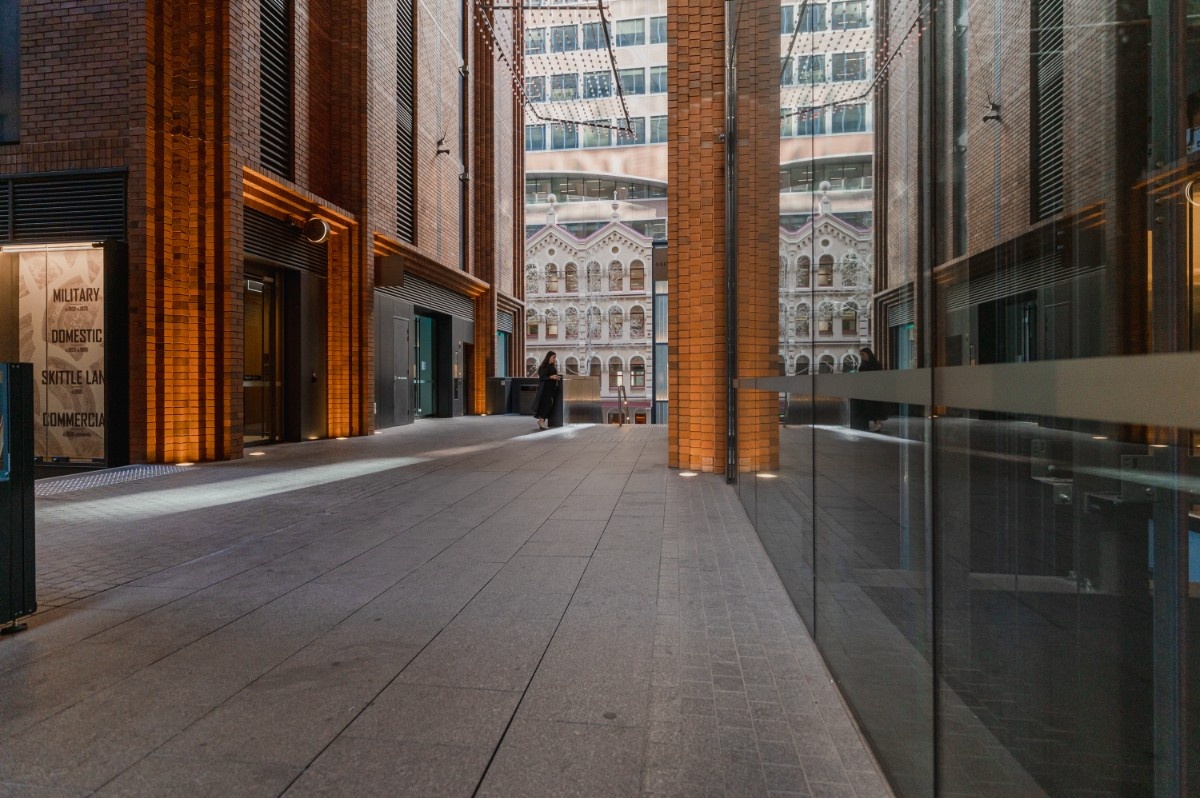
Landscape Construction for Driveways, Pathways and Entry Areas in Unit Developments

Landscape Construction

Landscape construction is the use of man made and plant materials to upgrade or improve areas both inside and outside of a built environment. Simple definition maybe, but without knowledgeable landscape professionals and careful planning, the actual process can get complicated very quickly.

Landscape construction is a process aimed at transforming outdoor spaces to meet specific design and functionality goals. It includes hardscaping and softscaping elements, designed to create harmony between built structures and natural, organic features.

The planning phase sees landscape architects and clients working together to design a well-thought-out plan that considers terrain, climate, and usage. Material selection is also crucial (stone, wood, metals, etc.) as they should align with design, budget, and durability goals.

The construction and installation process requires skilled craftsmanship and precise measurements to stay within local building codes, regulations, and other community rules and guidelines.

Importance of well-designed driveways in unit projects
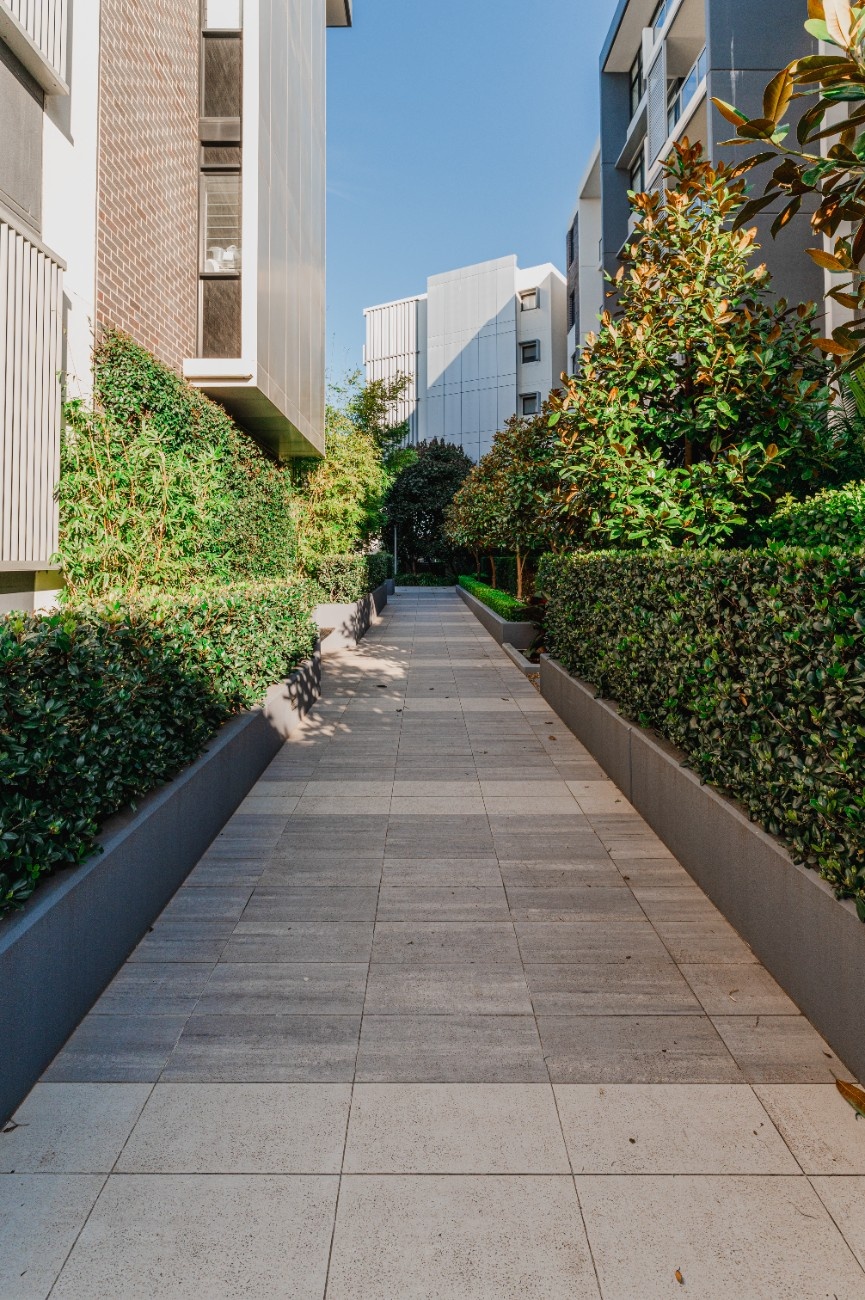
Landscape Construction for Driveways

A driveway is often one of the first features people notice when approaching a property. While many homeowners focus primarily on the material used, the overall design of a driveway plays an equally important role in its long-term performance and appearance.

A well-planned driveway design not only improves visual appeal but also ensures the surface functions effectively for daily use. Thoughtful design ensures the finished driveway enhances both the usability and presentation of the home.

  • Enhancing the overall appearance of the property: the driveway contributes significantly to the overall appearance of a property. A carefully designed layout can create a more balanced and welcoming entrance, helping the property look more organised and visually appealing.
  • Improving functionality and daily use: a driveway must be practical as well as attractive. Good design ensures the surface can comfortably accommodate vehicles, pedestrian movement and general access around the property.
  • Supporting proper drainage: without proper planning, rainwater may collect on the driveway or flow towards areas where it can cause issues. A well-designed driveway incorporates the correct gradients and drainage solutions to allow water to move away from the surface.
  • Making the most of available space: every property has a unique layout, which means driveway design should always be tailored to the specific space available. Careful planning ensures the driveway makes the most efficient use of the area while maintaining a balanced appearance.
  • Increasing long-term durability: good driveway design also contributes to the long-term strength of the surface. When the layout is planned correctly, the driveway can distribute vehicle weight more evenly and reduce unnecessary pressure on certain areas.

Modern driveway materials for Sydney developments

  1. Plain concrete driveways: clean, affordable, and timeless. The most economical option and a popular choice for both residential and commercial properties. Its smooth surface is great for general use, and with proper sealing, it resists stains from oil or road salt.
  2. Exposed aggregate driveways: a decorative concrete driveway option where the top layer is removed to reveal a textured surface of natural stones and pebbles. Not only is it slip-resistant and durable, but it also provides a visually striking finish; perfect for luxury homes.
  3. Coloured concrete driveways: using integral pigments or surface coatings, we offer coloured concrete in a wide array of shades. These driveways are UV-resistant and ideal for matching your home’s colour palette or landscaping.
  4. Stamped concrete driveways: this method uses rubber stamps to imprint patterns into freshly laid concrete, replicating the look of stone, brick, or slate at a fraction of the cost. Stamped concrete offers elegance without the fragility of natural materials.
  5. Polished concrete driveways: beyond colour and texture, we also provide custom patterns and finishes like acid staining, stencilling, and engraving. These options create a bespoke look that transforms your driveway into a design feature.
  6. Decorative concrete driveways: with a mirror-like finish, polished concrete is both luxurious and practical. It’s stain-resistant, low-maintenance, and ideal for homes with a modern architectural style.
  7. Slab concreters driveways: for properties that require additional load-bearing capacity such as driveways for trucks or RVs; we offer thick slab concreting.

Drainage solutions for driveways and walkways

Apart from the aesthetics, one must consider other factors such as functionality, where the effectiveness of water draining, load-bearing limitations (vehicular loads predominantly) and water channeling are considered. A well thought out drainage can help prevent flooding, water from going and retaining in unwanted areas and avoid damages to the surrounding landscape.

  • Pervious pavements: since pavements make up a majority of the driveway, consider the use of porous materials or pavings with gaps in-between. This allows for faster drying of the pavement as the water quickly drains into the ground under the driveway, and this ensures a lower chance of surface runoffs that may flood the surrounding areas.
  • Drainage pipes and gullies: like how storm drain directs water off from roads and pathways, driveway drainage pipes and gullies can also do the same with water on the driveway. One advantage of this method is the flexibility of pipe placements to redirect the runoff water to other estate parts, such as a water installation like ponds, plants and trees to water it, or direct the water straight into a storm drain.
  • Landscaping swales: they are more applicable for driveways with land on both sides that tilts in the driveway’s direction or are just surrounded by land. The swale channels water to an area below the driveway, forming a mini water collection point that lets the water seep back into the soil. It avoids water flowing from surrounding tilted land onto the driveway and retaining on the surface.
  • Driveway drains: are probably the most common drainage type used, especially in buildings and landed properties. A driveway drain involves the installation of a narrow trench drain linked to a water diversion pipe that spans across the entire driveway’s width. This method is a frequent go-to for tilted driveways and car-park entrances where water flows down into the lower area of the driveway from the higher ground.

Durable materials for high-traffic areas

There is no universal best flooring type for every commercial environment. The strongest specification is always context-specific. Still, a small group of materials consistently performs well when durability is the priority.

  1. Wear layer thickness: a thicker wear layer generally supports better longevity and may improve the floor’s ability to tolerate future refinishing, depending on the product construction and site conditions.
  2. Species and hardness: for hardwood flooring Australia projects, species selection matters. Harder timbers generally offer better dent resistance, although hardness alone should never override finish quality, board construction and end-use conditions.
  3. Finish system: commercial durability often comes down to the finish as much as the board itself. A lacquered or UV-cured factory finish may suit some projects better than oil, particularly where low-maintenance cleaning regimes are required.
  4. Installation method: glue-down systems are often preferred in commercial work because they provide a more stable feel underfoot and can improve acoustic outcomes. Havwoods explicitly recommends glue-down installation as suitable for commercial spaces and high-footfall areas.

Creating a premium look for unit developments
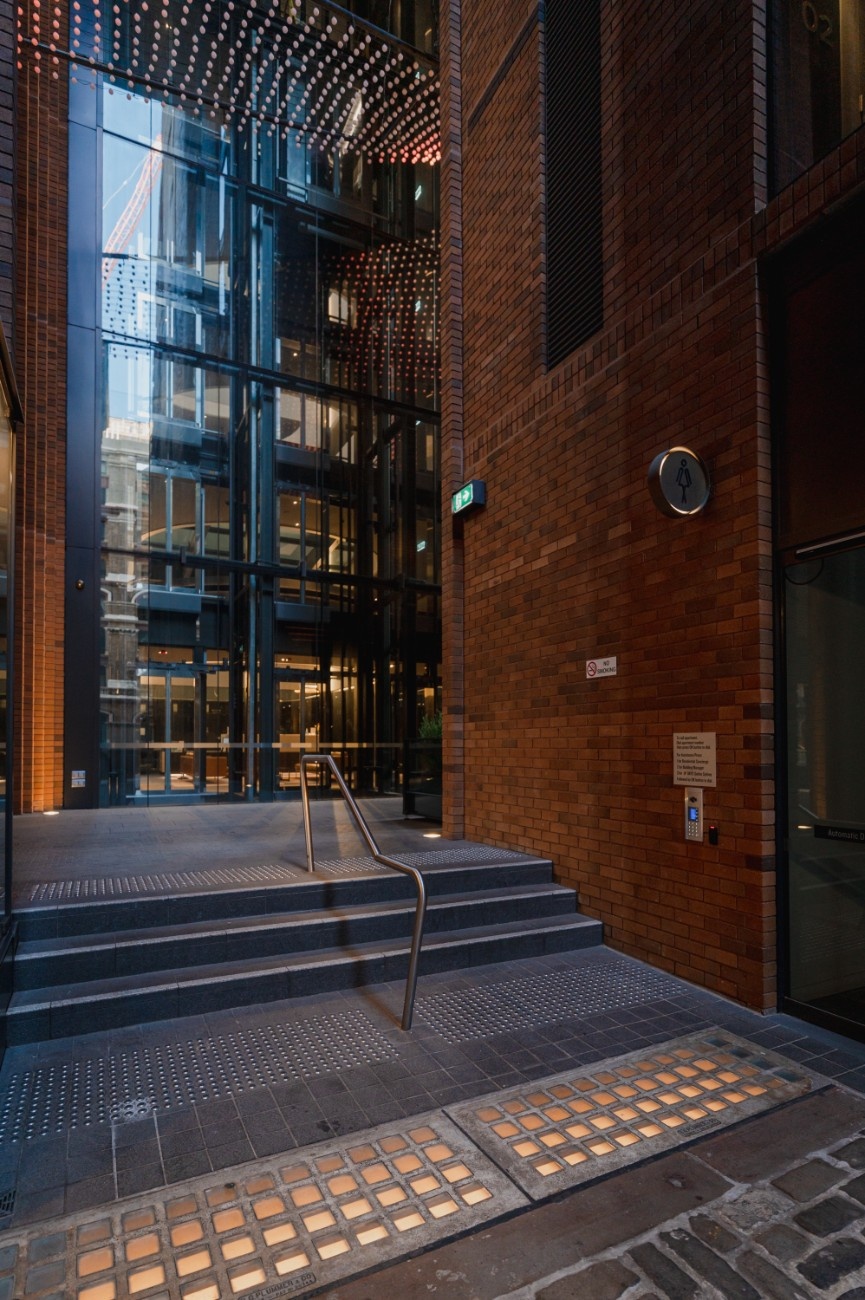
Landscape Construction for Entry Areas

The perfect multi-unit development project optimises your land. This is done with brilliant building design. Optimising your land does not necessarily involve building the maximum amount of dwellings. You need dwellings that are both visually appealing and perfectly functional to maximise your sale prices or rental yield. With a multi-unit development, achieving this can be harder than expected as stringent council requirements can restrict your design options.

With a custom home build, or other single dwelling build, the world is your oyster. Your choice of design in terms of façade, layout and build materials is limited only by your imagination. The same unfortunately is not true with a multi-unit development.

Adjacent properties must not be adversely affected by your multi-unit development project. Issues such as overlooking, and overshadowing must be considered.

A brilliant design and construct team will craft a set of dwellings that are perfectly oriented on the land, are unobtrusive to neighbouring homes, and are cohesive with the street scape and wider area. Not only that, you can trust a builder with a turn-key service to manage the entire process for you, and exceed your expectations.

Common challenges in unit development access areas

  1. Site boundaries and regulations: construction projects are tightly governed by regulations surrounding permits, building regulations, and restrictions on noise and working hours to reduce disruption to local residents and businesses. These can significantly impact accessibility to your site.
  2. Narrow streets and traffic restrictions: access to narrow streets in urban areas tends to be restricted due to limited space and traffic restrictions (e.g. one-way systems), making it problematic to transport, manoeuvre, or install large equipment. It can also be useful to prepare materials and large components (e.g. building façades) on site instead of beforehand.
  3. Busy residential or commercial areas: having to contend with a constant flow of pedestrians, residents, and vehicles can make it difficult for your team to access the site, transport the plant, and conduct their work without disturbing members of the public.
  4. High-rise buildings: accessing and managing construction activities on or around high-rise buildings presents unique project management challenges. In some cases, scaffolding may not provide enough protection, which is why you should consider all protective options and where they should be placed for optimum value.
  5. Active railways: in some cases, you may be required to conduct some of your work at night or outside of peak hours. Consider the use of walkways, access stairs, and end-of-platform extensions when planning your access strategy.

In large-scale unit developments, landscape construction is far more than an aesthetic finishing touch. It plays a critical role in improving functionality, accessibility, safety, and long-term property value. From durable driveway materials and effective drainage systems to carefully planned pathways and premium outdoor finishes, every landscape element contributes to the overall performance and presentation of the development.

Well-executed landscape construction not only enhances daily usability for residents but also helps create visually cohesive environments that align with modern urban living expectations.

As Sydney developments continue to prioritise high-density and multi-unit living, the importance of strategic planning and quality workmanship becomes even more significant. Developers, architects, and contractors must balance aesthetics with practicality, ensuring outdoor spaces can withstand heavy use while remaining visually appealing and compliant with council regulations.

Careful attention to site access, drainage, durability, and neighbourhood integration helps minimise long-term maintenance issues and supports the overall success of the project.

If you need help or advice with choosing some native plants for your garden, our team is ready to assist you, contact us now.

FAQs about driveways, pathways and entry landscaping

What is the best driveway surface for unit developments?

The best driveway surface depends on the size, traffic levels, budget, and overall design of the development. Concrete is a popular choice for unit developments due to its durability and low maintenance requirements, while exposed aggregate offers a more premium finish with added visual appeal. Asphalt can also be suitable for larger developments because it is cost-effective and easy to repair. The ideal solution should balance appearance, longevity, drainage, and ongoing maintenance needs.

How wide should pathways be in residential complexes?

Pathways in residential complexes should be wide enough to provide safe and comfortable access for residents, visitors, and mobility aids. In many cases, pathways are designed to be at least 1.2 to 1.5 metres wide to allow easy pedestrian movement. Wider pathways may be recommended in high-traffic areas, shared spaces, or developments designed with accessibility in mind. Local council regulations and Australian accessibility standards should also be considered during the planning stage.

Can entry landscaping increase property value?

Yes, well-designed entry landscaping can improve the overall presentation and perceived value of a property. Attractive landscaping creates a strong first impression, enhances street appeal, and contributes to a more welcoming environment for residents and visitors. Features such as quality planting, lighting, paving, and greenery can also make developments feel more premium and better maintained, which may positively influence buyer and tenant interest.

What are the best low-maintenance landscaping options for strata properties?

Low-maintenance landscaping options for strata properties often include drought-tolerant plants, native species, mulching, automated irrigation systems, and durable hardscaping materials such as stone or concrete paving. These solutions help reduce water usage, maintenance costs, and ongoing upkeep while still maintaining an attractive appearance. Choosing plants suited to the local climate can also improve long-term sustainability and reduce the need for frequent replacement.
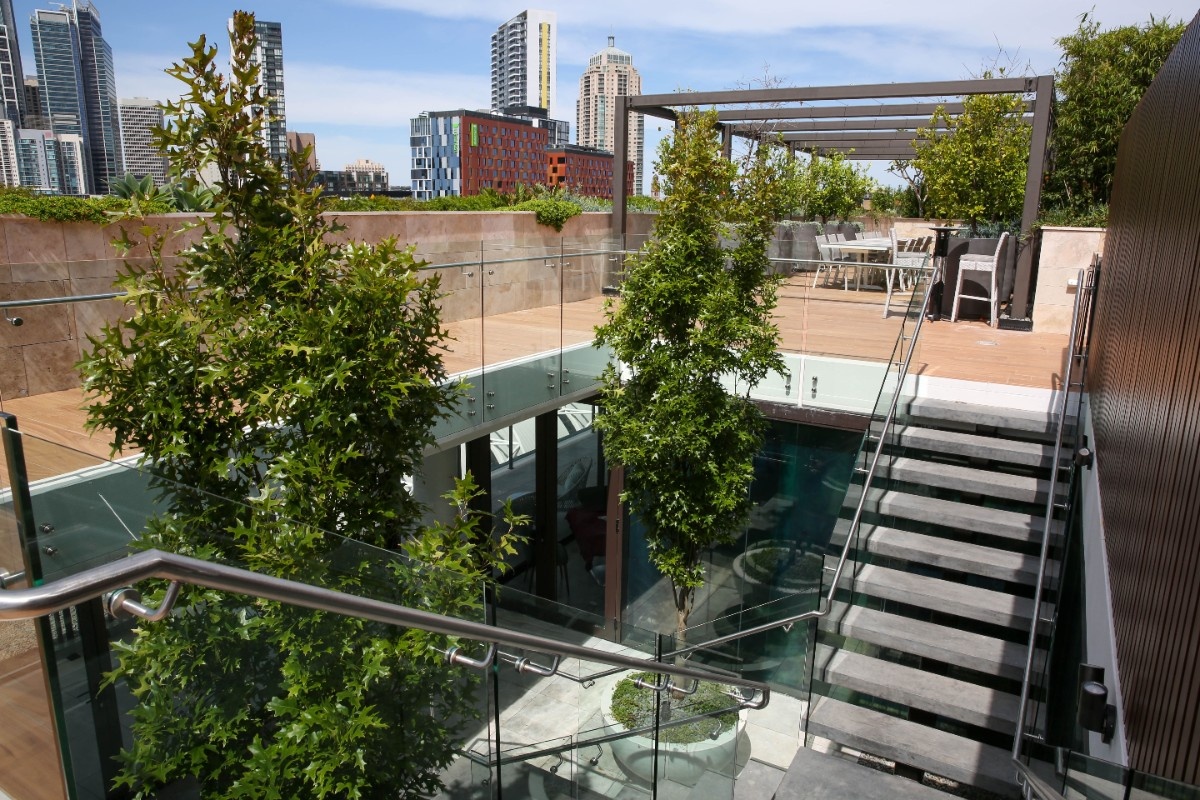
Best Landscape Construction Solutions for Multi-Unit Residential Projects in Sydney

Large-scale landscape construction plays an important role in the success of multifamily, mixed-use, commercial, and public development projects. It is often one of the final phases of construction, yet it has a lasting impact on property performance, regulatory compliance, and long-term value.

Landscape construction is approached as an integrated part of the overall build requiring coordination, experience, and execution that aligns with the demands of large-scale projects.

For developers, general contractors, home builders, civil engineers, and architects, landscape construction is not simply about aesthetics. It is about sequencing, compliance, and delivering outdoor environments that perform well long after project completion.

Landscape construction for large developments typically includes site preparation, grading, irrigation infrastructure, planting, hardscape installation, and coordination with utilities, accessibility requirements, and municipal inspections.

Multi-unit residential landscape needs

residential landscape

Beneath a relentless Australian sun, a native garden flourishes: sculpted sandstone paths weave between stands of stylised grevilleas and banksias, while a concealed drip-irrigation system hums into action at dawn. This is Australian landscape design in practice; a sophisticated fusion of striking form, practical function and deep respect for our local climate.

Yet what exactly falls under the umbrella of landscape design here, and why should homeowners, businesses and communities take notice?

In Australia, landscape design covers everything from drought-tolerant plant palettes and elegant hardscaping to waterwise irrigation systems and ambient lighting, each shaped by regional conditions and lifestyle needs.

Landscape design in Australia is more than arranging plants and paving stones. It’s the art and science of creating outdoor environments that suit our unique climates, lifestyles and cultural heritage. From suburban backyards, a well-considered design balances aesthetic appeal, functionality and environmental responsibility.

Whether the project is a private courtyard, a commercial courtyard or a public park, Australian landscape design responds to sun, wind, soil and water availability. It brings together horticulture, materials science, site engineering and an understanding of local traditions to shape spaces that enhance everyday living while respecting our natural surroundings.

At its core, landscape design is the process of planning and detailing outdoor spaces to meet functional, ecological and visual goals.

This involves:

  • Site analysis: assessing soil type, drainage, solar orientation and existing vegetation.
  • Spatial planning: zoning areas for relaxation, play, dining or circulation.
  • Material selection: choosing hardscape products like paving, decking and screens for durability.
  • Planting design: specifying trees, shrubs, groundcovers and lawns that thrive in local conditions.

Applications span three main sectors:

  • Residential: private gardens, courtyards and pool surrounds tailored to family life and entertaining.
  • Commercial: office complex forecourts, retail centre plazas and hospitality terraces.
  • Public: parks, playgrounds, plazas and streetscapes that support urban resilience.

By integrating these elements, a landscape designer ensures that each project performs well providing shade, enabling easy maintenance, directing water flow and offering visual appeal.

Why professional landscape construction is essential in Sydney

If you’re running a business or leasing commercial property, your landscaping speaks volumes before anyone even enters the building. Overgrown grass, dead plants, or cracked paving can suggest neglect, which isn’t the message most businesses want to send.

Regular mowing, pruning, and seasonal planting show that you care about your space and, by extension, your clients and employees. It is essential for office parks, retail centres, and hospitality venues, where curb appeal directly impacts customer perception.

A neat, well-maintained garden or courtyard doesn’t just look good – it creates a welcoming environment for staff and visitors alike. Hence, commercial landscaping in Australia is a need of time.

Poorly maintained landscapes can quickly turn into hazards.

Think about:

  • cracked pathways becoming trip hazards
  • blocked drainage causing flooding after heavy rain
  • overgrown trees dropping branches during a storm
  • pests like snakes or rodents finding shelter in long grass

In Australia, where the weather can swing from scorching heat to sudden storms, regular landscaping maintenance can actually help prevent costly damage.

Best hardscape solutions for residential unit projects

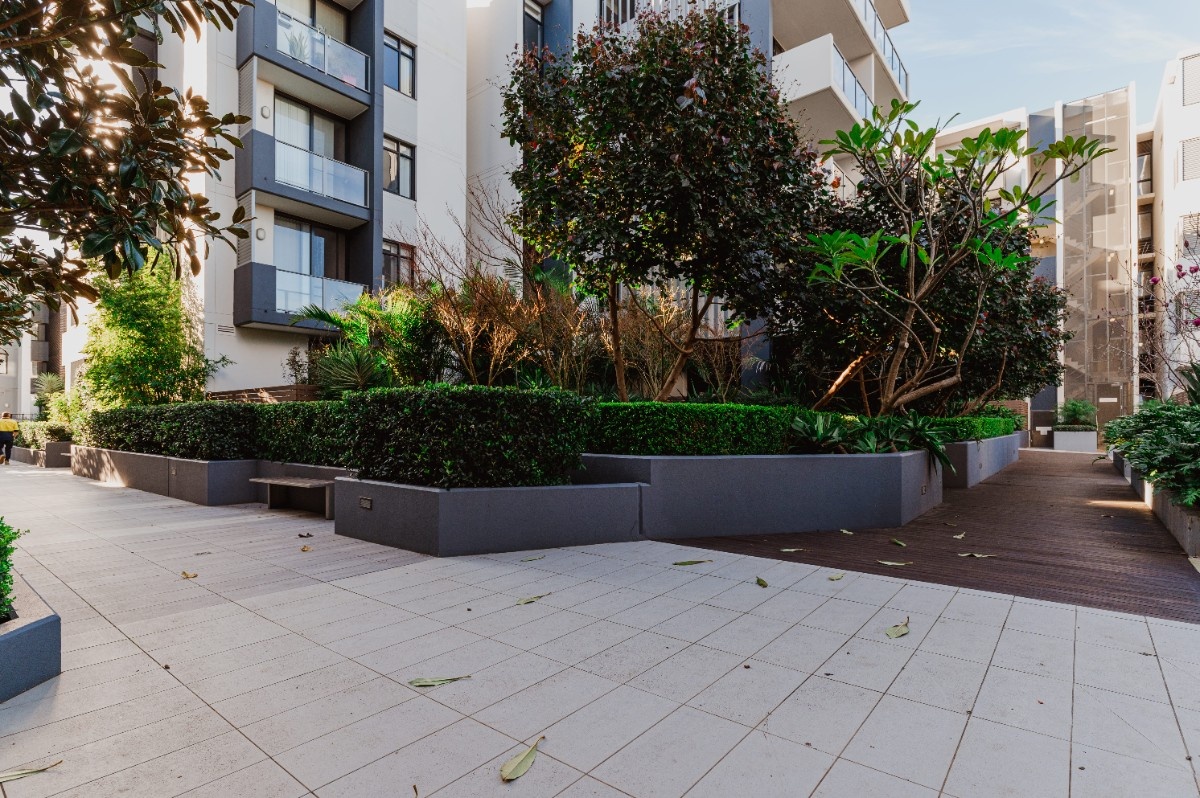
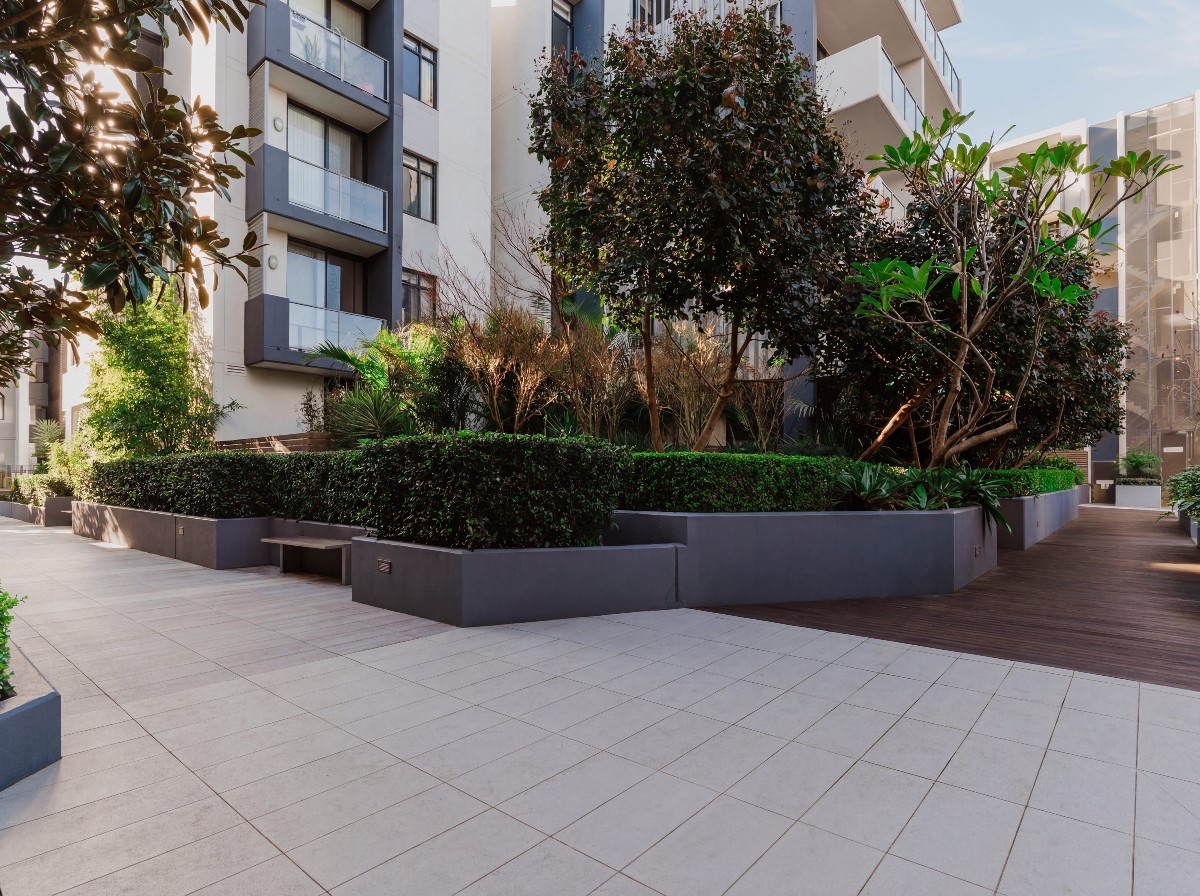
The functionality, aesthetics, and long-term upkeep of residential unit projects are significantly influenced by hardscaping. The correct hardscape solutions assist in creating spaces that are useful, aesthetically pleasing, and constructed to withstand regular usage, from driveways and walks to retaining walls and shared outdoor areas.

In multi-unit complexes, where outdoor surfaces are subjected to continuous foot traffic and vehicle movement, durability is important. Because they provide long-term performance with comparatively low care requirements, materials like concrete, exposed aggregate, natural stone, and high-quality pavers are frequently employed.

Reducing future repair and replacement expenses requires choosing materials that can withstand changing weather conditions while preserving their attractiveness over time.

For shared residential properties, low-maintenance solutions are especially important. Permeable pavement, automated drainage systems, and sturdy edging are examples of features that can reduce continuous maintenance while enhancing accessibility and safety throughout the development.

Water consumption and maintenance requirements can be further decreased by combining native landscaping with sensible hardscape design.

Hardscaping greatly enhances a development’s overall appearance and value in addition to its utility. In addition to improving the project’s street appearance, well planned walkways, entryways, lighting, and common areas make the neighbourhood more hospitable for locals and guests.

Achieving long-term value in contemporary residential constructions requires a balanced strategy that incorporates durability, utility, and aesthetics.

Softscape solutions for better living environments 

Softscape helps you efficiently make your sprawling estate or cozy garden, taking your outdoor space to the next level. The other reasons that you must incorporate softscape into your backyard include:

  1. Comfort and functionality: softscape takes your backyard beyond grass, benches, and garden, bringing functionality and comfort.
  2. Captivating beauty: softscape enhances your property value and lets it stand apart from other neighbours. The trees, lush green grasses, and plants offer shade and make your backyard best for dining and seating.
  3. Improve the environment: your outdoor space and softscape elements, such as shrubs, plants, and trees, are a part of the ecosystem, offering numerous benefits.
  4. Livable spaces: softscaping adds mesmerising walkways and footpaths to your garden, offering a relaxing area for exercise and walking.
  5. Natural aesthetics: softscape elements create a natural aesthetic for your garden. Plants attract insects and birds, while deciduous trees attract wildlife, making your backyard appealing.
  6. Endless enjoyment: softscape lets you enjoy all seasons, making your outdoor living space enjoyable for the year. The natural beauty and fresh air allow you to jumpstart your day with a clear head.

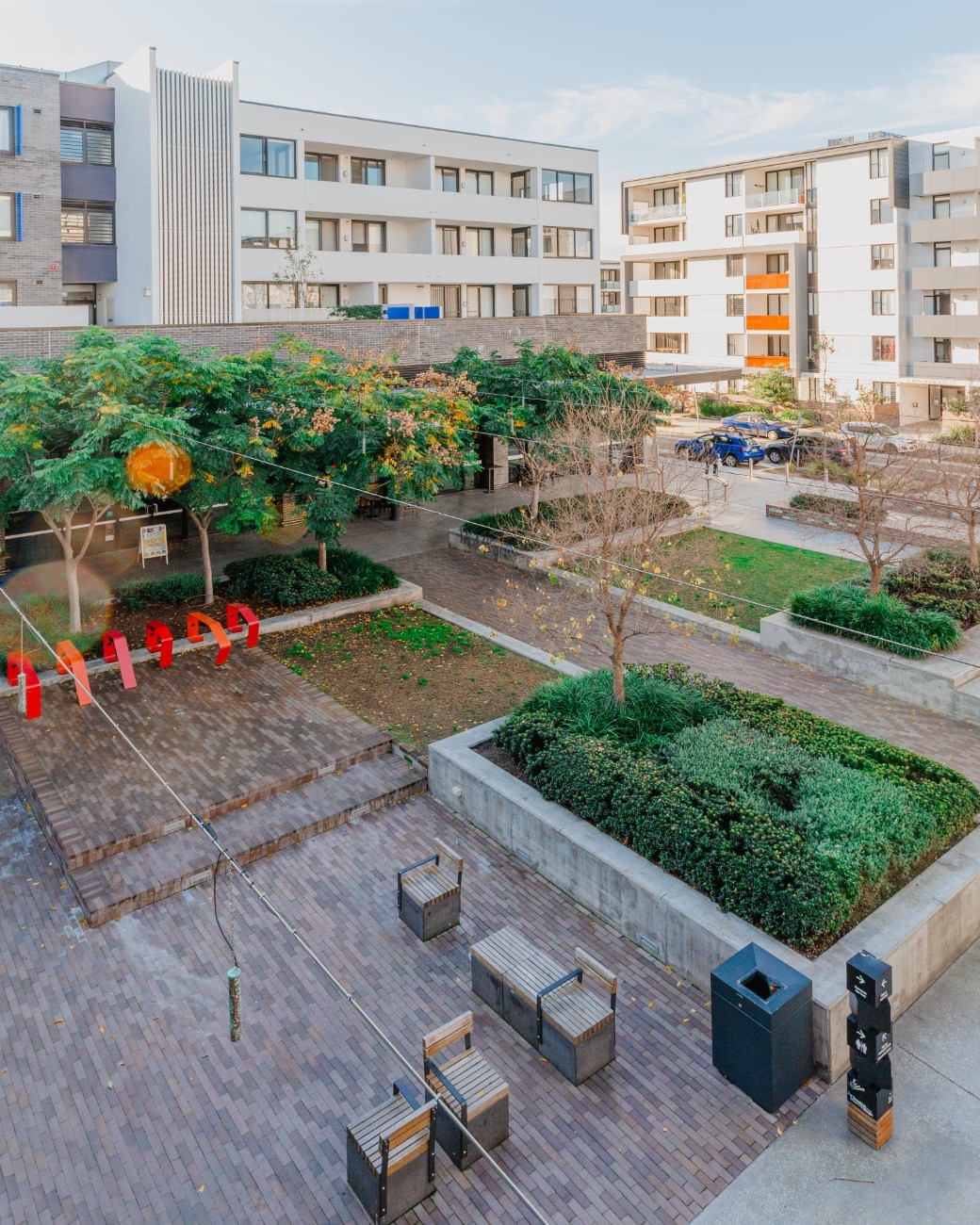
Communal outdoor spaces that add value

Communal outdoor spaces

  1. Patios: provides a solid, level surface for furniture, grills, and décor. Made from materials like concrete, brick, or natural stone, patios are perfect for dining, lounging, or hosting guests.
  2. Decks: are a great option for homes with uneven terrain or sloped yards. Typically built from wood or composite materials, they provide a warm, natural feel and can be customised.
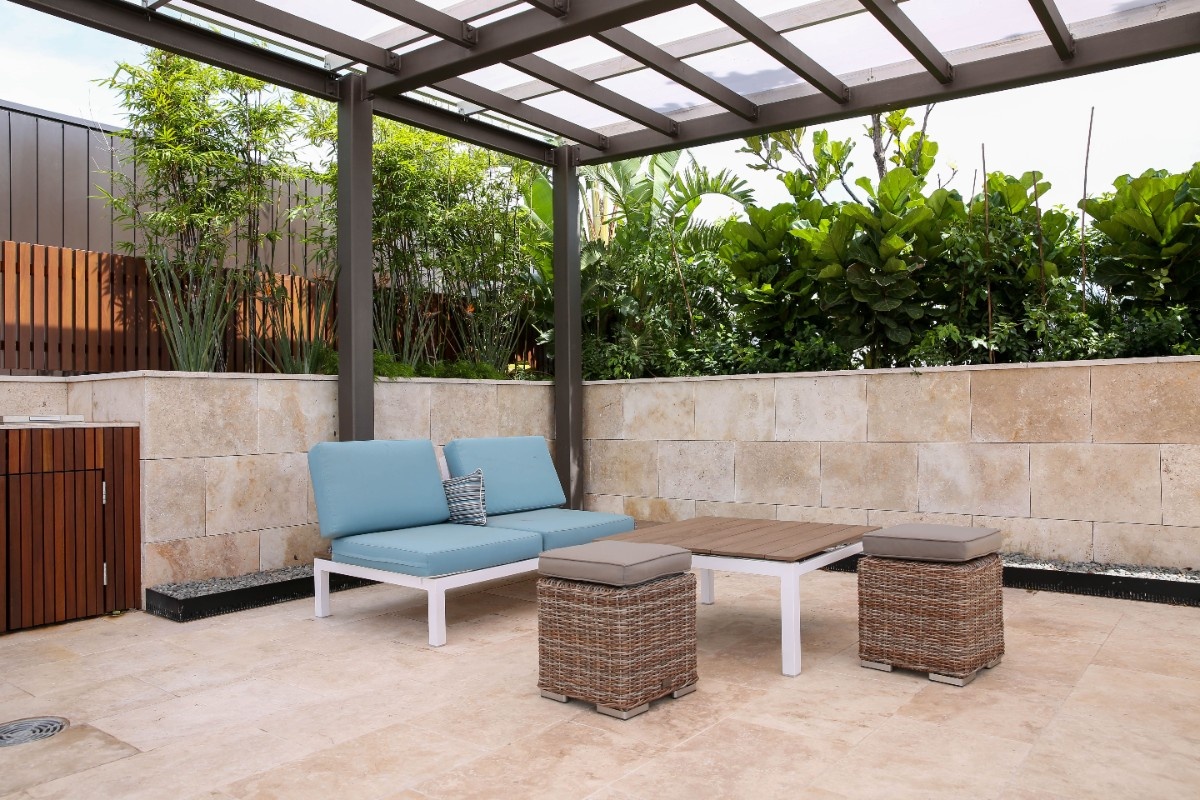
  3. Pergolas: are open-air structures with a slatted roof, offering partial shade and an elegant touch.
  4. Gazebos: provide a fully covered, often enclosed space for year-round enjoyment. Both can be decorated with climbing plants, curtains, or string lights for added charm.
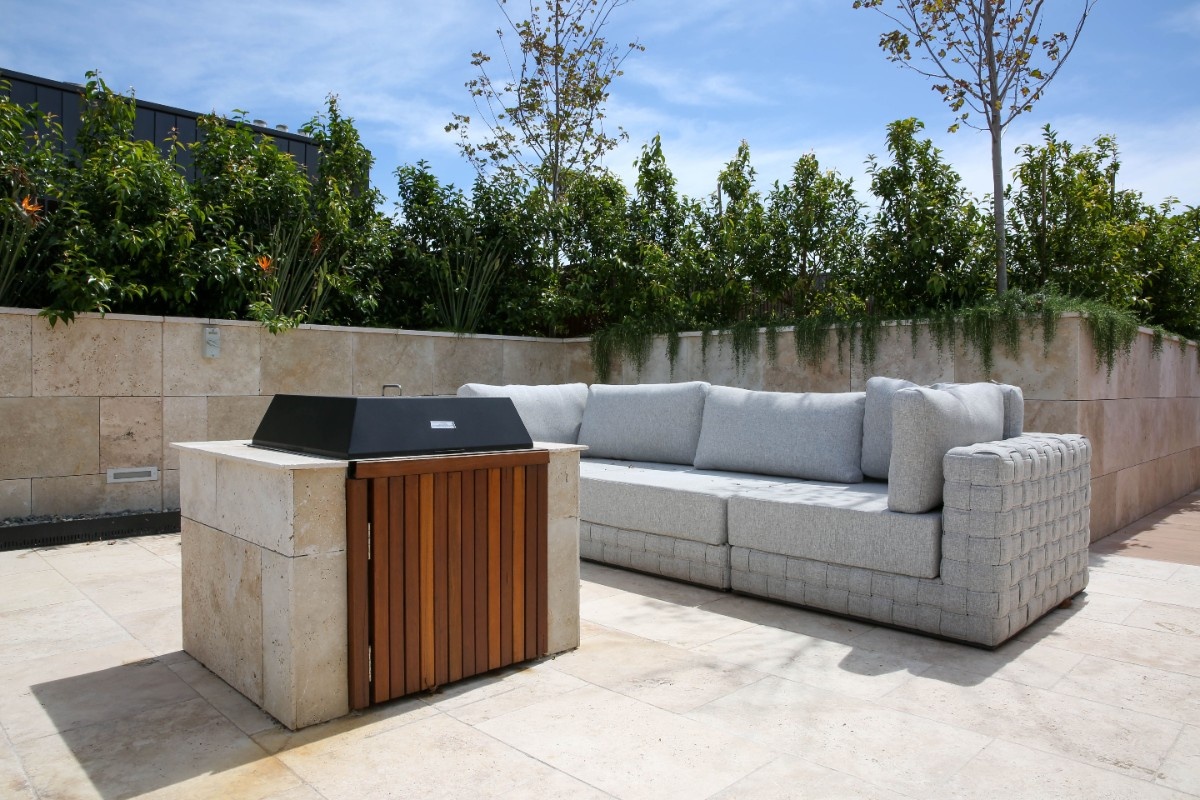
  5. Outdoor kitchens and dining areas: for those who love to entertain, an outdoor kitchen is a perfect addition. These spaces can include built-in grills, pizza ovens, refrigerators, and even sinks for a fully functional cooking experience.
  6. Fire pit lounges: creates a warm and cozy gathering space where friends and family can relax, roast marshmallows, and enjoy the outdoors even on chilly nights.
  7. Garden nooks and green spaces: a garden retreat with pathways, benches, and lush plants can be a peaceful escape. Adding a water feature like a small pond or fountain enhances tranquility.
  8. Poolside lounges: creating a dedicated lounge area with comfortable seating, umbrellas, and cabanas can elevate your backyard into a resort-like space.
  9. Edible gardens: adds both beauty and practicality to your yard. Raised garden beds, vertical planters, and herb gardens provide fresh produce while enhancing the landscape.
  10. Sport courts: is a great way to promote fitness and fun in your outdoor space. These courts provide a durable, low-maintenance surface for year-round enjoyment.
  11. Flat lawn area: is an essential feature for families who love outdoor games. Whether it’s for tossing a football, playing soccer, setting up a badminton net, or simply running around, a large grassy area provides endless fun.
  12. Kid play areas: ensures a safe and engaging environment for children. Swing sets, playhouses, sandboxes, and climbing structures create an outdoor adventure zone.

Successful landscape construction for multi-unit residential projects requires more than simply improving visual appeal. Every aspect of the outdoor environment, from hardscape materials and softscape design to drainage, accessibility, and communal spaces, contributes to the long-term functionality and value of a development.

In Sydney’s competitive residential market, well-planned landscaping has become an essential component of creating liveable, attractive, and future-ready communities.

As modern residential developments continue to prioritise lifestyle and sustainability, the role of professional landscape construction becomes even more important. Durable pathways, low-maintenance planting, practical communal areas, and environmentally conscious design solutions all help support resident wellbeing while reducing ongoing maintenance demands.

Thoughtful landscape planning also improves safety, enhances street appeal, and creates outdoor spaces that residents can genuinely enjoy throughout the year.

Ultimately, the best landscape construction solutions are those that successfully balance aesthetics, practicality, and long-term performance.

By investing in quality materials, strategic planning, and experienced construction professionals, developers can create outdoor environments that not only complement the architecture of a project but also contribute to stronger property value, better resident experiences, and lasting project success.

If you need help or advice, our team is ready to assist you, contact us now.

Does Landscape Construction Increase Property Value?

Landscape Construction

A well-designed landscape not only beautifies a home, but it is also one of the most effective methods to raise the overall value of a property. Thoughtful landscaping boosts curb appeal, utility, and creates pleasant outdoor spaces that attract potential buyers while also improving living quality. 

Whether you intend to sell your property soon or simply want to increase its long-term value, investing in expert landscaping can yield significant benefits. 

When prospective buyers visit your property, the first thing they see is not the interior. The first thing they’ll notice is the yard. A well-kept lawn, clipped hedges, and vibrant flower beds provide a clear statement that the home has been well-cared for. In contrast, a cluttered or neglected yard can make even the most gorgeous home appear uninviting.

Professional landscapers understand how to create a front yard that compliments your home’s architecture while increasing visual appeal. They carefully choose plants, bushes, and trees that flourish in your climate and highlight your home’s best features.

Finishing your backyard, planting trees, and nurturing gardens can not only enhance the beauty of your home, but they can also increase its value and curb appeal.

Professional landscapers

  • Functional design adds liveable outdoor space

Modern homeowners aren’t just looking for a house. They’re looking for an experience. Outdoor living spaces have become a major selling point in today’s real estate market, and professional landscaping makes it possible to extend your home’s liveable area beyond its walls.

Designing patios, decks, outdoor kitchens, and seating areas adds comfort and functionality that buyers value. A well-planned backyard creates an inviting atmosphere for entertaining guests, relaxing after work, or enjoying family time.

  • Strategic planting enhances energy efficiency

Landscaping isn’t just about beauty. Landscaping can also improve your home’s energy efficiency. Trees, shrubs, and other greenery play an important role in controlling temperature and airflow around your property.

For instance, strategically planted trees provide shade that can lower cooling costs in the summer, while evergreen shrubs act as windbreaks during colder months, reducing heating expenses. Over time, this eco-friendly design helps homeowners save money while promoting sustainability.

When potential buyers see a well-thought-out landscape that reduces energy costs, they view the property as both attractive and practical. These savings add tangible value to your home and set it apart in competitive markets.

  • Hardscaping features increase functionality and appeal

Buyers appreciate homes that offer convenience and charm. Retaining walls can prevent erosion while adding a tiered, designer look to sloped yards. When installed correctly, hardscaping can dramatically increase perceived value.

Many homeowners hope that their landscaping efforts will earn them a return on their investment. Here is the good news: It’s widely known that mature landscaping not only adds beauty to your lawn, but when planted correctly, it can also increase a home’s value. Healthy, mature trees can add value to your home. But of course, having healthy trees on your property doesn’t happen overnight.

  • Healthy lawns highlight overall home quality

Maintaining a healthy lawn requires more than occasional mowing. It involves consistent fertilisation, aeration, pest control, and watering schedules tailored to your soil and climate. Professional lawn care companies use advanced techniques and products to ensure your yard stays vibrant and resilient year-round.

  • Landscaping improves privacy and security

Privacy and security are top priorities for many homeowners. Professionally designed landscapes can create natural boundaries that add comfort and protection without sacrificing beauty.

Landscaping that balances aesthetics with privacy gives buyers a sense of retreat, something that’s increasingly valuable in busy neighbourhoods. 

Did you know that your landscaping could deter burglars? By strategically placing prickly bushes and shrubs in front of your windows, burglars may be less likely to attempt to enter your home. Consider this when you’re choosing plants for your landscaping.

  • Environmental benefits appeal to modern buyers

Today’s homeowners are increasingly conscious of sustainability and environmental impact. Professionally designed landscapes can reduce water waste, support local ecosystems, and minimise the use of harmful chemicals.

Native plants, efficient irrigation systems, and compost-based fertilisation all contribute to eco-friendly landscaping that attracts eco-minded buyers. These green upgrades not only lower maintenance costs but also align with current market trends, emphasising environmental responsibility.

By creating a sustainable landscape, you appeal to a growing demographic of buyers who see eco-conscious living as both desirable and essential. This modern approach to landscaping can further increase your property’s overall marketability.

Additional factors that increase the value of landscaping

value of landscaping

  • Size and design:  a layout that fits your yard and complements your home makes a big difference. Balanced plantings, clear paths, and usable outdoor spaces really boost curb appeal.
  • Quality: Mature trees, healthy plants, and good materials like stone or pavers show the landscaping was done right. Buyers pick up on that quality instantly.
  • Maintenance: A yard that’s easy to care for, without looking empty, is a big plus. Think low-maintenance plants, a neat lawn, and clean edges. It should look cared for, not like a lot of work.

Landscaping projects that add value

Not all yard upgrades are created equal. 

Improvement type  Why it adds value  How much value 
Healthy, manicured lawn Makes a strong first impression; shows consistent care; appeals to buyers looking for move-in-ready outdoor spaces 217% ROI on maintenance
Upgraded front walkway Enhances visual entry; uses attractive materials like flagstone; inexpensive yet high impact 100% ROI; material cost
Planting trees Adds privacy, energy savings, shade, and visual interest; mature trees are highly valued Increases value by $1,000–$10,000 per tree
Landscape lighting Adds ambiance and usability at night; increases curb appeal and safety 59% ROI
Deck or patio Expands usable living space; considered a high-ROI hardscaping upgrade Deck: 89% ROI

Patio: 95% ROI

What to avoid when refreshing your landscaping 

  • Too much personalisation: such as  water features and things like toes or Zen gardens. They tend to be high-ticket items, and most homebuyers don’t value them as much as the person purchasing them might.
  • Overdoing it: Landscaping should complement your home, not compete with it. Clean, simple, and well-maintained usually wins.
  • Artificial grass: It might seem like a low-maintenance win, but some buyers see it as a negative. It can get hot, doesn’t always look natural up close, and isn’t the most eco-friendly choice.
  • Seasonal plants: Try not to rely only on plants that shine for a month or two. Go for greenery that looks good year-round so your yard stays inviting no matter the season.

When it comes to landscaping your home to increase its value, deciding whether to tackle the project yourself or hire a professional can feel overwhelming. Both options have their perks, but if you don’t know where to start, understanding the benefits of each approach can help you make the best choice for your budget, timeline, and vision.

Well-maintained landscaping sends a strong signal that the home is cared for. On the other hand, overgrown shrubs or patchy lawns can raise concerns about the overall condition of the property before buyers even step through the door so it is important to stay on top of your yard. 

By choosing native plants that thrive with less effort, you’re not only increasing your home’s sustainability but also its appeal to potential buyers. To help ease the process, contact us now.

Commercial vs. Residential Landscape Construction

Commercial landscape construction

Transforming outdoor spaces, both commercial and residential landscaping aims to enhance aesthetics, increase functionality, and improve environmental eco-friendliness. However, the two vary significantly in scope, scale, design complexity, materials, and maintenance requirements. Understanding these differences is important for property owners, developers, and managers. This knowledge helps them make smart choices and work with the right landscape construction company.

  • Project Scope and Scale

One of the most noticeable differences between commercial and residential landscaping is the size and complexity of the project.

Commercial landscape construction involves large projects. These include office parks, shopping centers, hospitals, schools, public parks, apartment buildings, and industrial areas. These projects can span multiple acres and often require coordination among various stakeholders, including architects, civil engineers, construction firms, and government bodies.

Residential landscaping, on the other hand, focuses on smaller-scale projects like individual homes or private estates. While these can provide details, they usually express more personal insights. They reflect the homeowner’s style and lifestyle choices.

  • Design Considerations

Design in both contexts aims to create visually pleasing and functional spaces, but the objectives can differ substantially.

In commercial projects, landscape design puts first:

  • Public access and safety
  • Durability and wear-resistance
  • Environmental impact and eco-friendliness
  • Ease of maintenance and cost-efficiency
  • Compliance with zoning laws and local regulations

In residential projects, design tends to be more personalised and may emphasise:

  • Visual harmony with the home’s architecture
  • Entertainment areas like patios and pools
  • Privacy features such as fences and hedges
  • Children- or pet-friendly elements
  • Garden aesthetics and seasonal plants

In both cases, professional landscape construction companies make the vision a reality. They also ensure it works well and lasts a long time.

  • Materials and Plant Selection

Another key distinction lies in the selection of materials and plants.

Commercial landscape construction often uses:

  • Durable hardscaping materials like concrete, stone, or brick
  • Synthetic turf or hardy grass species that require minimal care
  • Native or drought-tolerant plants to reduce water usage
  • Bollards, signage, lighting, and public seating

Residential landscaping allows for more flexibility and creativity, using:

  • Decorative paving or unique stone features
  • Lush lawns or specialty turf from Sydney turf and landscaping providers
  • Flowering plants, vegetable gardens, or exotic species
  • Water features, pergolas, or garden art
  • Commercial spaces prioritise longevity and functionality, whereas residential gardens can be more whimsical and experimental.
  • Budget and Investment

Commercial landscaping projects typically come with larger budgets because of their size and complexity. However, investors often drive the investment based on return-on-investment (ROI) goals. A well-kept landscape can raise a commercial property’s value. It can also attract tenants or customers and lower long-term costs.

Residential landscaping projects can cost a lot, depending on what the homeowner wants. However, they are usually cheaper than commercial projects. However, the emotional value and curb appeal can be significant, especially when selling a home.

If you are investing in a home garden or upgrading your business, consider hiring a skilled landscape company. They can help you manage your budget effectively. You will also achieve great results.

  • Timeline and Permitting

Timeframes and legal requirements differ greatly between commercial and residential projects.

Commercial landscape construction involves extensive planning, site assessments, and obtaining permits and approvals from municipal authorities. These projects can take months or even years to finish. This is especially true if they are part of a bigger infrastructure plan.

Residential landscaping usually has shorter timelines and fewer regulatory hurdles. In many cases, local councils may only require basic approval for elements like retaining walls, fences, or tree removal.

Professional turf and landscaping providers in Sydney help with the legal and logistical parts of both types of landscaping.

  • Maintenance Needs

After the initial construction, ongoing landscape maintenance becomes crucial.

Commercial landscapes require:

  • Routine lawn and turf care
  • Seasonal planting and pruning
  • Irrigation system monitoring
  • Public safety checks
  • Waste and debris management

These areas are usually open to the public and face more wear and tear. Regular maintenance not only receives recommendations; it remains essential.

Residential landscapes need care, but they usually require less maintenance. Homeowners or a small team can often manage them.

A reputable landscape construction company often offers ongoing maintenance services tailored to both commercial and residential clients.

  • Technology and Innovation

New landscaping technologies are changing both commercial and residential outdoor spaces. However, commercial projects often take the lead in using these new solutions.

In commercial landscaping, you may find:

  • Smart irrigation systems
  • Sustainable drainage solutions
  • Green roofs and living walls
  • Solar-powered lighting and automation
  • CAD and BIM modeling for design planning

Residential projects are also using smart technologies. However, they often do this more slowly. This is because of budget limits or lack of homeowner awareness.

  • Regulatory Compliance and Safety

Compliance with laws and regulations is more stringent in commercial landscape construction. It includes adherence to:

  • Access standards (e.g., ramps and tactile paving)
  • Stormwater runoff control
  • Public liability and insurance requirements
  • Environmental conservation policies

Residential landscaping is more flexible but still needs to comply with local council regulations and safety standards.

Ensuring compliance is a vital part of a landscape construction company’s responsibilities, particularly in large-scale commercial developments.

  • Client Involvement

Residential landscaping often involves a close relationship between the homeowner and the landscaping team. Homeowners typically participate in every step, from design to plant selection.

Commercial landscape construction, in contrast, is more structured and formal. Property managers or development teams usually manage projects. Committees often make decisions instead of individuals.

commercial landscaping ideas

Despite the difference in approach, both types of projects benefit greatly from clear communication and professional collaboration.

Commercial landscape construction and residential landscaping both aim to beautify outdoor spaces. However, they differ in many ways. These differences include project size, materials used, compliance, and maintenance.

If you own a business and want to improve your property’s outside look, work with a skilled landscape company. They will ensure that you complete your vision with care and accuracy.

With help from experts in Sydney turf and landscaping, you can make good choices. You can avoid common mistakes and enjoy a landscape that looks great and works well for years.

Choosing between commercial and residential landscaping is not just about size. The discussion also involves intention, investment, and long-term value. No matter the project type, thoughtful planning and professional execution are the keys to success.

If you’re looking to transform your garden, consult our team of Sydney turf and landscaping experts to bring your vision to life.

How to Design Low-Maintenance Garden with Turf & Landscaping

Design Low Maintenance Garden

A beautiful garden can be of low-maintenance. With the right approach, you can create a lush, inviting outdoor space that requires minimal effort to maintain. If you own a home and want to simplify your garden care, there is a solution. If you run a business and need an easy landscape, this also applies to you.

Using turf and hiring professional landscapers can help.

A well-designed low-maintenance garden not only saves time and effort but also adds value to your property. By choosing the right elements, like turf, drought-resistant plants, and smart hardscaping, you can create a beautiful outdoor space.

For a family-friendly backyard, a nice corporate landscape, or a green space, these tips can help. They will guide you in creating the perfect low-maintenance garden.

In addition to saving time, a low-maintenance garden can be more cost-effective in the long run. Reduced water usage, minimal lawn care expenses, and fewer replacement plants contribute to lower overall maintenance costs.

Furthermore, a well-designed landscape can increase property value, making it a wise investment for homeowners and businesses alike. By using smart landscaping methods, you can have a beautiful and useful outdoor space all year.

Turf & Landscaping

  1. Choose the right turf

One of the most effective ways to create a low-maintenance garden is by using high-quality turf. Modern turf solutions offer a lush green look. Unlike natural grass, they need less mowing, watering, and fertilising.

  • Drought-resistant: many turf varieties require little to no watering, making them ideal for Australian climates.
  • No mowing required: unlike traditional lawns, synthetic turf eliminates the need for regular trimming.
  • Durable and long-lasting: high-quality turf can withstand heavy foot traffic without losing its vibrancy.

Choosing the right turf variety is essential for long-term success. Consider factors like foot traffic, sunlight exposure, and personal preferences when selecting between synthetic or natural turf options. Our team at Civil and Scape can help you determine the best choice for your needs.

  1. Opt for native and drought-tolerant plants

Integrating native plants into your landscaping is a great way to reduce garden maintenance. These plants are well-adapted to Sydney’s climate, requiring less water and care.

The best low-maintenance plants include: kangaroo paw, grevillea, lomandra, and banksia.

These plants not only thrive with minimal watering but also attract local wildlife, enhancing your garden’s natural beauty. Native plants also promote diversity and improve soil health, making them an environmentally friendly choice.

To further reduce maintenance, group plants with similar water and sunlight needs together. This technique, known as hydro zoning, ensures optimal plant growth while reducing unnecessary water use and labour.

  1. Install automated irrigation systems

To further reduce maintenance efforts, consider installing an automated irrigation system. Drip irrigation is a great choice. It delivers water straight to the roots. This reduces waste and keeps plants healthy with little effort.

Beyond drip irrigation, smart irrigation controllers can adjust watering schedules based on weather patterns, ensuring efficient water use. This technology is an excellent investment for maintaining a lush garden without the hassle of daily watering.

  1. Use hardscaping elements

Hardscaping features like stone paths, decorative pebbles, and garden borders lower the amount of plants that need care. A reputable landscape construction company can help design and install:

  • Paved walkways to minimise weeding and mowing
  • Retaining walls for soil stability
  • Mulch-covered areas to retain soil moisture and suppress weeds

Including hardscaping not only reduces maintenance but also adds structure and aesthetic appeal to your garden. Features like outdoor seating areas and gravel pathways can transform your space into a stylish and functional retreat.

Using permeable paving can help with water drainage. This reduces the risk of erosion and standing water. It also keeps the landscape looking sleek and low-maintenance.

  1. Apply mulch for weed control

Mulch not only enhances the look of your garden but also helps retain soil moisture and reduce weed growth. Using organic mulch like bark or wood chips creates a natural aesthetic while promoting soil health.

Applying a thick layer of mulch around plants can significantly reduce weed growth while improving soil fertility. Organic mulch breaks down over time, enriching the soil and further supporting plant health with minimal intervention.

To prevent weeds, think about putting a weed barrier fabric under the mulch. This will help stop unwanted growth and keep your garden looking clean and neat.

  1. Invest in professional landscaping services

Hiring a professional turf and landscaping service in Sydney can save you time. It can also give you lasting results.

At Civil and Scape, we are here to evaluate your space. Our team will suggest the best low-maintenance solutions for your needs.

professional landscaping services

Professional landscapers offer expertise in selecting the right materials, optimising irrigation systems, and designing functional layouts that reduce ongoing maintenance. Their guidance can be invaluable in creating sustainable, visually appealing outdoor spaces.

Creating a low-maintenance garden doesn’t mean sacrificing beauty. With the right mix of grass, local plants, paths, and automatic watering, you can have a beautiful outdoor space. You won’t need to take care of it all the time.

By using these easy and effective landscaping tips, you can have a beautiful outdoor space. The landscape will stay green and welcoming all year long.

A good low-maintenance garden can improve your life. It can be a peaceful backyard or a well-designed garden. This will also reduce the time you spend on upkeep.

A low-maintenance garden is not only about looks. Also eco-friendly, practical, and valuable over time. By working with skilled landscapers and making smart design choices, you can create a garden. This garden will improve your home or business and need little effort to maintain.

To be more efficient, think about using solar-powered garden lights and self-sustaining garden beds. These options can reduce maintenance and improve the look of your outdoor space.

If you’re looking to transform your garden, consult our team of Sydney turf and landscaping experts to bring your vision to life.

How Landscape Construction Can Benefit from a Balance of Annuals and Perennials

Landscape Construction company

When designing an outdoor space, achieving a balance between beauty and functionality is key. Incorporating a diverse collection of annuals and perennials in landscape construction can significantly help accomplish a unique outdoor. These two types of plants complement each other, offering both short-term vibrancy and long-term stability.

Whether you’re a homeowner exploring ways to beautify your garden or a landscape construction company planning large scale outdoor projects, knowing how each plant type interacts with the environmental context can help facilitate a dynamic sustainable landscape.

These are plants that complete their life cycle in a single growing season so they can serve as a great way to add seasonal bursts of colour and variety. These plants germinate, grow, bloom, set seed, and die within a year, requiring replanting every season.

One of the biggest advantages of annuals is their ability to provide instant impact. Because they bloom so quickly and often have such showy flowers, they can fill in bare spots in gardens or landscapes, boosting curb appeal in relatively short order.

That makes it useful for Sydney turf and landscaping, where property owners can instantly refresh the look of outdoor spaces without waiting for months in order for plants to grow.

Unlike perennial flowers that come up year after year, annuals allow for frequent redesigns, making them the perfect fit for commercial properties, parks or residential gardens that want to stay up to date with the latest trends.

Gardeners and landscapers can change colours, patterns, and plant varieties from season to season just the way you wanted, all while keeping the landscape fresh and exciting.

Many flowering annuals, such as petunias and marigolds, provide essential nectar sources for the outdoors, which support the local ecosystem and beautifies the landscape. This is an important consideration for landscape architects aiming to create environmentally friendly spaces.

Annuals can be used strategically in seasonal landscaping themes as well. Spring and summer can also include bright, warm-hued blooms such as sunflowers and zinnias; autumn gardens may include chrysanthemums and ornamental kale.

This is a rapidly growing landscape which goes with the changing seasons of the year, ensuring the outdoor spaces to remain interesting and vivid. Another benefit of annuals is their ability to adapt to container gardening.

With a short life, they are also a good slant for pots, hanging baskets and window boxes, so are a splendid panoply for terraces, balconies and small urban spaces. Their adaptability to various environments enables landscape designers to craft striking configurations that can be easily augmented or replaced in every season of the year.

The role of perennials in sustainable landscaping

sustainable landscaping

While annuals provide vibrant, short-term beauty, perennials offer long-lasting structure and eco-friendliness. These plants return year after year, growing stronger over time and requiring less maintenance than their annual counterparts.

One of the key benefits of perennials:

  1. Low maintenance and cost-effectiveness: since they do not need to be replanted each season, they save both time and money in landscape upkeep. When both homeowners and businesses want to create landscape solutions that last, perennials are a wise investment that do not need to be replaced each year.
  2. Year-round structure: many perennials hold their foliage or framework even in dormant seasons, meaning the landscape never appears stark and empty. Evergreen perennials, like lavender or ornamental grasses, offer visual interest even in winter, and keep outdoor spaces looking nice throughout the seasons.
  3. Environmental benefits: their deep root systems help reduce soil erosion, enhance soil health, and hold moisture more effectively than annuals. They are especially beneficial in surfacing construction in Sydney turf and landscaping facilities as soil preservation is essential to maintain the quality of outdoor spaces.
  4. Varied textures and heights: shrub-type perennials can provide natural borders and ground-covering varieties can fill in gaps and suppress weeds. It allows plants to flourish at various levels and keeps them healthier by preventing overcrowding and providing air flow.
  5. Medicinal and aromatic properties: medicine and aromatic plants such as lavender, rosemary, and chamomile, which beautify the garden and have positive health effects, act as soothing scents and natural pharmacology. These functional aspects make perennials an excellent choice for therapeutic gardens and wellness-focused landscapes.

Striking the right balance for optimal landscape construction

landscape construction

While annuals and perennials each have their strengths, the real magic happens when they are combined strategically. A balanced landscape incorporates both types of plants to maximise visual appeal, ecological benefits, and longevity.

One method is layering, where perennials serve as the spine of the garden and annuals offer seasonal show. Perennials, such as salvia or hostas, may provide structure and bright annuals, such as begonias and pansies, can add temporary colour iterations.

When growing a mixture of annuals and perennials, proper soil and water management is also important. Potting them up in well-drained soil, annuals have short roots and will require watering every day. By contrast, perennials require deeper soil preparation to establish long-term growth.

Another aspect to think about is climate compatibility. However, as not all plants will thrive in the same conditions, it is essential to select only species of plants that will be well-suited to the landscaping climate of Sydney.

Just a few favourites are kangaroo paw and grevillea, which are well-suited to Australia’s weather and don’t require much care. Pairing them with heat-tolerant annuals such as petunias or marigolds ensures a hardy and eye-catching garden.

Plant selection, irrigation planning and seasonal care are elements of landscape design that require expertise if they are to produce a well-balanced landscape that enriches the property and enhances your lifestyle.

It would take a professional landscaping construction company to assess the individual landscaping needs of a property and provide a tailored plan that incorporates annuals and perennials in harmony with one another.

Professional landscapers also understand how to organize the plants to provide the best advantages, including sufficient sunlight, water, and nutrients. They can help create landscapes that are beautiful, functional, and environmentally friendly.

From state-of-the-art irrigation systems to subsoil enrichment solutions, landscape specialists employ high-quality tools to ensure the long-term success of any outdoor project.

Working with a landscape construction company provides the benefit of ongoing maintenance services. Seasonal pruning, fertilisation, pest control, and redesign consultations can help keep outdoor spaces looking their best throughout the year.

This is particularly important for commercial properties, hotels, and public spaces where a polished, well-maintained appearance is essential.

Annuals provide season-long displays, while perennial species ensure long-term viability; thanks to annuals, the flora and fauna of Sydney turf and landscaping projects will look their best, while perennials will increase biodiversity and create property value.

With an appropriate selection of plants for a specific purpose, regardless of the type of a tree, it’s your spot, regardless of whether it’s a home garden or commercial property or a public place, it must not only bloom in the spring.

The Importance of School Playground Landscaping in Enhancing Student Well-being

School Playground Landscaping Australia

School playgrounds play an important role in the overall development and well-being of students. A well-designed playground not only provides a space for physical activity but also encourages social interaction, creativity, and emotional growth.

School playground landscaping goes beyond just aesthetic appeal. It involves the strategic planning and arrangement of outdoor spaces to create an environment that is safe, engaging, and conducive to learning. Proper landscaping can significantly impact students’ physical health, mental well-being, and social skills.

8 Key elements of school playground landscape architecture

Effective school playground landscape architecture involves a combination of safety, accessibility, functionality, and aesthetics.

  1. Safety: ensuring the safety of students is paramount in playground design. This includes using impact-absorbing surfaces like rubber mulch or synthetic turf, providing shade structures to protect against sun exposure, and installing age-appropriate play equipment. Clear sightlines and proper supervision points are also essential to prevent accidents and ensure children’s safety.
  2. Accessibility: an inclusive playground design ensures that all students, regardless of their abilities, can access and enjoy the playground. This involves incorporating ramps, wide pathways, sensory play elements, and equipment.
  3. Functionality: the playground should cater to various types of play, including active, passive, social, and imaginative play. Different zones can be created within the playground to accommodate these activities.
  4. Aesthetics: a visually appealing playground can stimulate children’s imagination and creativity. Colourful play equipment, artistic murals, and well-maintained greenery can create an inviting and vibrant environment. The use of natural materials and sustainable practices in landscaping can also enhance the aesthetic appeal while promoting environmental awareness among students.
  5. Nature-inspired playgrounds: incorporating natural elements like rocks, logs, and water features into playgrounds is becoming increasingly popular. These elements encourage children to explore, discover, and engage in imaginative play, creating a beautiful connection with nature.
  6. Outdoor classrooms: with the growing emphasis on outdoor learning, many schools are integrating outdoor classrooms into their playground designs. These spaces provide a flexible environment for teachers to conduct lessons, encouraging experiential learning and interaction with nature.
  7. Sustainable design: this includes using eco-friendly materials, incorporating rain gardens for stormwater management, and creating habitats for local wildlife. Sustainable playgrounds not only benefit the environment but also educate students about the importance of conservation.
  8. Interactive and inclusive play: modern playgrounds are designed to be more interactive and inclusive, offering sensory play elements, musical instruments, and equipment that encourages cooperative play. This ensures that all children, regardless of their abilities, can participate and enjoy the playground.

These key elements enhance the physical health of students through a well-landscaped playground that encourages children to engage in physical activities such as running, climbing, and playing various sports. Diverse play equipment, natural elements like trees and bushes, and open spaces for free play are essential components of an effective playground landscape.

Natural elements in playgrounds, such as greenery and water features, have been shown to reduce stress and anxiety among children. Exposure to nature helps in improving mood, concentration, and cognitive function. School playgrounds are social hubs where children learn to interact.

Thoughtful playground landscaping provides diverse spaces for different types of play, encouraging children to engage in group activities, team sports, and imaginative play. These interactions are important for developing social skills and building friendships.

By prioritising safety, accessibility, functionality, and aesthetics, schools can design playgrounds that are not only enjoyable but also beneficial for children’s overall well-being. As trends continue to evolve, incorporating nature-inspired elements, outdoor classrooms, sustainable practices, and inclusive play features will ensure that school playgrounds remain relevant and impactful in the years to come.

Investing in thoughtful playground design is an investment in the future of our children, raising a generation of healthy, happy, and socially adept individuals. Contact us to help you plan a proper school playground landscaping architecture.

The “What” and “Why” of Commercial Landscape Construction Services

Commercial Landscape Construction Services

Commercial landscape construction services are essential to maintaining the appearance, functionality, and value of any commercial property. Whether it is an office complex, a hotel, a retail centre, or an industrial park, an attractive, well-manicured landscape is a critical component of the property’s overall appeal and success. From enhancing curb appeal to promoting sustainability and even reducing maintenance costs, the benefits of commercial landscape construction services are undeniable.

What are Commercial Landscape Construction Services?

Commercial landscape construction services are a comprehensive set of services that includes the design, installation, and maintenance of a commercial property’s landscape. Our professional landscape contractors specialise in designing, installing, and maintaining commercial landscapes which typically include the following components:

Site Analysis and Design: A comprehensive site analysis determines the best use of the property’s space, including site orientation, slope, soil, and vegetation. This information is used to develop a landscape design incorporating plant material, hardscaping, and outdoor lighting elements.

Hardscaping: This includes installing elements such as retaining walls, patios, walkways, and other outdoor structures. Hardscaping adds texture and dimension to the landscape and serves functional purposes such as reducing erosion, providing seating, and creating visual interest.

Softscaping: This includes installing plant material, such as trees, shrubs, flowers, and ground covers, and adds colour, texture, and shade to the landscape. Softscaping also promotes sustainability by reducing water use and providing a habitat for wildlife.

Irrigation and Drainage: A properly designed and installed irrigation system is critical for the health and longevity of the landscape. Irrigation systems conserve water and promote plant growth. Drainage systems also prevent water damage to structures and promote healthy soil conditions.

Outdoor Lighting: Outdoor lighting is an essential component of a commercial landscape. It provides security, enhances safety, and highlights the beauty of the landscape at night.

Who Needs Commercial Landscape Construction Services?

Any commercial property owner or manager who wants to enhance the appearance, functionality, and value of their property can benefit from commercial landscape construction services. These services are particularly beneficial for properties located in high-traffic areas, where first impressions are critical. From hotels and resorts to office buildings, retail centres, and industrial parks, a well-manicured landscape can make a significant difference in the property’s overall appeal.

How to choose the right commercial landscape company

Choosing the right commercial landscape company can be a challenging task, but with a little research and due diligence, you can be confident that you are making the right decision. Here are a few tips to help you choose the right company for your needs:

  1. Get references: Ask for references from the companies you are considering and reach out to these references to learn more about their experience with the company. This will give you a better understanding of the quality of the company’s work and the level of service they provide.
  2. Research the company: Do your research and learn as much as you can about the company, including its history, experience, and the services they offer. Look for reviews and testimonials online to get a better understanding of the company’s reputation in the industry.
  3. Evaluate the company’s portfolio: Review the company’s portfolio of past projects to see examples of their work and get a sense of the quality of their services.
  4. Schedule a consultation: Schedule a consultation with the company to discuss your specific needs and to get a better understanding of their services and capabilities. This is a great opportunity to ask questions and l earn more about the company and their approach to commercial landscape construction.
  5. Evaluate the proposal: Evaluate the proposal: After the consultation, evaluate the company’s proposal. This will give you a better understanding of the scope of work, the timeline, and the project’s cost. Make sure that the proposal is comprehensive and that it meets all of your needs and expectations.

Civil and Scape offer various services, including commercial landscaping and civil construction.

We offer a diversified service offering that enables them to handle projects of all sizes and types. Our team of industry experts and professionals are committed to providing superior service and exceeding clients’ expectations. We adhere to a commitment to quality, perfection and customer service, which is reflected in our work. Contact us today.

How to elevate your property by using timber in your landscape construction project

landscape contractors sydney

When it comes to landscape construction projects, commercial properties are ripe with potential. Construction projects give our team the opportunity to elevate your property’s functionality and appearance to a new, more refined level. While we’ve spoken about the value that lies in landscaping construction, we’ve never touched on material specifics. In this article we’ll take a look at one of our favourite materials to work with – timber. Timber is full of character, and as simple as it may seem, is one of the best tools for subtly but improving your property.

The beauty of timber is often forgotten

At Civil and Scape, we love working with timber. It’s a material that’s full of character and different features, depending on the type of wood that it is. However, we don’t often get to utilise it in our projects, because many clients prefer concrete, steel, aluminium and other more popular products.

Timber is a natural material and perfect for any commercial property interested in evoking the following qualities:

  • Rustic charm
  • Coastal chic
  • Bohemian 

Timber is also an environmentally-friendly material and perfect for commercial properties that want to portray themselves as eco-conscious. It often is a popular choice by yoga studios, spas, wellness centres and some restaurants.

Timber is as versatile as it is diverse

Timber’s versatility comes from its different varieties. We use many types of timber in our landscape construction projects as they allow us to provide clients with different finishes, grains, features and possibilities. 

Here are a few of the materials that may be utilised in our landscape construction projects:

Spotted Gum

This is a beautiful and striking material that offers durability. It is a popular choice by our clients for flooring as well as for other applications that require weather resistance. In appearance, it is light to medium brown and quite warm, offering businesses a beautiful and versatile element.

Merbau

Merbau wood offers natural lustre in the form of deep red tones. Often a love it or hate it material, Merbau is excellent for restaurant and hotel decks as it is less prone to cupping and movement. While this type of timber has its positive features, it can be difficult to find ethically sourced Merbau.

Blackbutt

Blackbutt has a light, airy and golden cream colour. It is extremely popular with a number of our clients as it is an excellent choice for bushfire-prone areas. The Blackbutt tree grows quite quickly and is seen as a sustainable option for landscaping construction. It’s excellent for fencing, decking and even framing. 

Rosewood

This is an incredibly heavy and durable type of timber, making it a suitable choice for furniture and exterior flooring. While it is one of our most expensive options, its longevity makes this material a great investment, particularly for commercial properties. In appearance, it offers a silvery natural appearance.

Pine

Pinewood is one of the most affordable materials for landscaping construction. It is a softwood and is therefore prone to denting and scuffing. We do not like to use it for exterior flooring, however, it is a great material for furniture and bordering/framing.

Where do we use timber in landscaping construction?

Elevating your landscape with timber takes a deep understanding of landscaping design as well as technical knowledge of timber and its specific features and qualities. Bearing in mind the characteristics of different types of timber, below is a list of ways that we utilise timber in landscaping construction to elevate properties.

Add charm and rusticity

By nature, wood adds an effortless charm to properties. We especially find that Spotted Gum is excellent for this effect because the shade of brown it provides is rich, warm and inviting. Adding charm or rusticity to your commercial property sets the tone for the rest of your landscape’s aesthetic. It is particularly effective for law firms, restaurants and hotels in search of creating an endearing environment.

Contrast with harsh or cold materials

As neutral colours, cool tones, concrete and aluminium have become increasingly popular over the last decade, it’s now very easy to mistakenly create a cold and uninviting landscape. To break up the detachment of the landscape, timber’s natural warmth can balance the overall aesthetic and create a more welcoming space for your customers, visitors and employees.

Provide uniqueness with a monochrome palette

Similarly to our last point, monochrome palettes have crept up in popularity over the last few years – even in one’s landscape. While there is certainly the time and place for this design aesthetic, often you can find that it bears little impact and requires an element to add another more effective angle. Timber’s uniqueness comes in the form of its grains which provide effortless character. This can elevate the rest of the landscape’s appearance, whether it is used in screens, decks or furniture.

Thinking about adding timber to your landscape? Contact our team to find out how we can help you.

Landscaping construction: 4 tips to ensure success for your Sydney business

Landscaping construction

Landscaping construction projects can be transformational for your Sydney business, however, like anything related to construction, it can be overwhelming and stressful. Generally, construction projects require the coordination of different teams, input from several technical experts and often encounter hiccups along the way; this is why many business owners become nervous over the successful completion of their projects. While at Civil and Scape, we guarantee an on-time, budget-conscious project that is completed according to your specifications, there are a few things that you, the client, can do to help guarantee a successful execution.

Our approach to landscaping construction projects

Collaborative efforts

Landscaping construction projects require a collaborative effort between our Civil and Scape team and the client. We believe that the client’s input is invaluable and key to executing a project that completely aligns with their expectations. 

Scope

Whether it be something as simple as installing street furniture or as complex as a large-scale revegetation project, it is important for us to know exactly what the clients expect. ‘Expectation’ is a loaded term that encapsulates their vision as well as budgetary limitations and time constraints. These are all important factors for ensuring the successful completion of a project.

Communication 

We work hand-in-hand with the clients, ensuring that they are informed of the progress of their project and each step taking place. Our team believes that this is how you acquire meaningful input from clients; this is key in accurately bringing to life the vision of our client.

Clients can also play a part in ensuring the success of a landscaping construction project. In this article, we’ll outline a few tips that will help our clients become better clients. Ultimately, this should make any construction project process much smoother.

4 tips for clients to ensure success with their landscaping construction project

  • Clearly outline your vision

The first step to ensuring that a company executes your vision is to make sure that they know exactly what your vision entails. 

At Civil and Scape, as a starting point we make sure the client outlines the full scope of the project complete with all specifications. As the client, ensure that you know exactly what you want for your business so that you can effectively relay it to your contractor.

  • Define your limitations (and be realistic)

Every client has their limits. Civil and Scape and many other companies are often comfortable working within most limitations, however, they must be realistic and expressed openly.

Ensure that you specify your budget and deadline, leaving enough time and financial backing to execute what you want. If you approach our company with unrealistic limits, we will communicate to you that it is not feasible or possible, however, some other companies may not. In this case, you’ll end up with a project that either misses your deadline, is over budget or simply, not executed to your standards.

  • Collaborate with your landscaping construction contractor

At Civil and Scape, we value the input of our clients, after all, no one knows what the result should look like better than you. Be communicative with your contractor and ensure that you relay your concerns about the project. If you’re having second thoughts about some element of the project, then communicate that to the contractor. Our landscaping construction experts prefer that you tell us about your concern  earlier rather than later; every challenge is an opportunity to be innovative.

  • Be flexible and understanding, but steadfast

Unfortunately, issues happen with construction projects. It’s no fault of the client or company, it’s just the nature of the industry. It’s important that, as the client, you are understanding and flexible with solutions. However, you should also, never let a decision or solution severely alter the overall result of the project (unless you want it to). This is a difficult line to walk, but our team will guide you through your decision-making process.

We hope that these tips help to make your next landscaping construction project successful. Remember that all projects have their hiccups, but it’s how you approach the entire process that dictates its success. If you choose to work with us, we promise to support you throughout the project’s lifecycle. 

If you’re interested in seeing some of our landscaping construction work, browse through our gallery to view our past projects.

Want to have a chat? Give us a call on 1300 457 457 or shoot us a message here.